"Pantanal or Iberá?" If you are planning a South American wildlife trip and you keep running into both names, you have probably noticed that almost nobody compares them honestly. Most pages that mention both are either selling a tour or were written years ago. Here is a straight 2026 comparison from people who work in the Ibera Wetlands every day.
The short answer first, because it saves time. If your one dream is to photograph a wild jaguar, go to the Pantanal. If you want a quieter, wilder, more affordable wetland where you can see an extraordinary amount of wildlife up close and witness one of the most ambitious rewilding stories on the planet, choose the Ibera Wetlands. They are not the same trip, and they are not even in the same country.
The one difference that decides most trips: jaguars
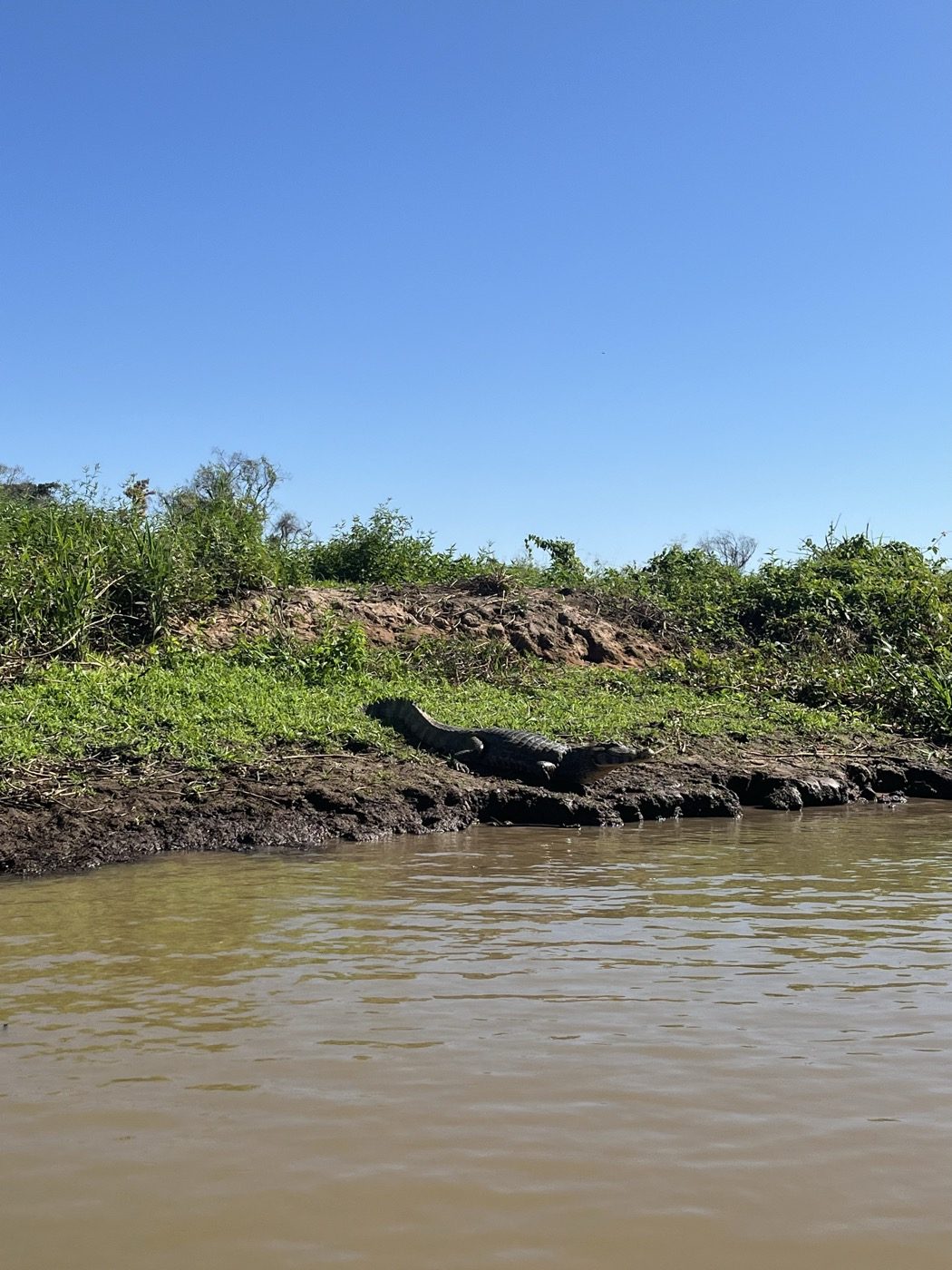
The Pantanal, in Brazil, is the best place in the world to see a wild jaguar. That is not marketing. Around Porto Jofre, in the northern Pantanal, boat guides report jaguar sighting success rates above 90 percent across a multi-day dry-season trip, and good days deliver more than one cat.
Iberá is a different story, and an inspiring one. Jaguars vanished from this corner of Argentina for about 70 years. Since 2012, Rewilding Argentina has worked to bring them back. The first jaguars walked free in the wetland in 2021, released from a breeding center on San Alonso Island. By 2026 the free-ranging population had grown from zero to at least 50 animals, and biologists believe Iberá can eventually hold around 100. The program is going so well that a wild-born Iberá jaguar was released into the wild in 2025 to seed a new population in the Gran Chaco, the first wild-to-wild jaguar translocation in the country.
Here is the honest part. Those 50 or so jaguars roam a reserve of about 1.3 million hectares. You do not come to Iberá to tick a jaguar off a list. You come because the species is back at all, and because what you will reliably see instead is remarkable. We go into the real odds in our guide on whether you can realistically see a jaguar in Iberá.
Side by side
| | The Pantanal | The Ibera Wetlands |
|---|---|---|
| Country | Brazil (also Bolivia and Paraguay) | Argentina (Corrientes province) |
| Size | Roughly 140,000 to 195,000 km², the world's largest tropical wetland | About 13,000 km², the largest wetland in Argentina |
| Main draw | Seeing wild jaguars | Abundant, easy wildlife plus a living rewilding story |
| Wild jaguar odds | Very high in the dry season (above 90 percent over a multi-day trip at Porto Jofre) | Low: roughly 50 jaguars spread across 1.3 million hectares, rarely seen by visitors |
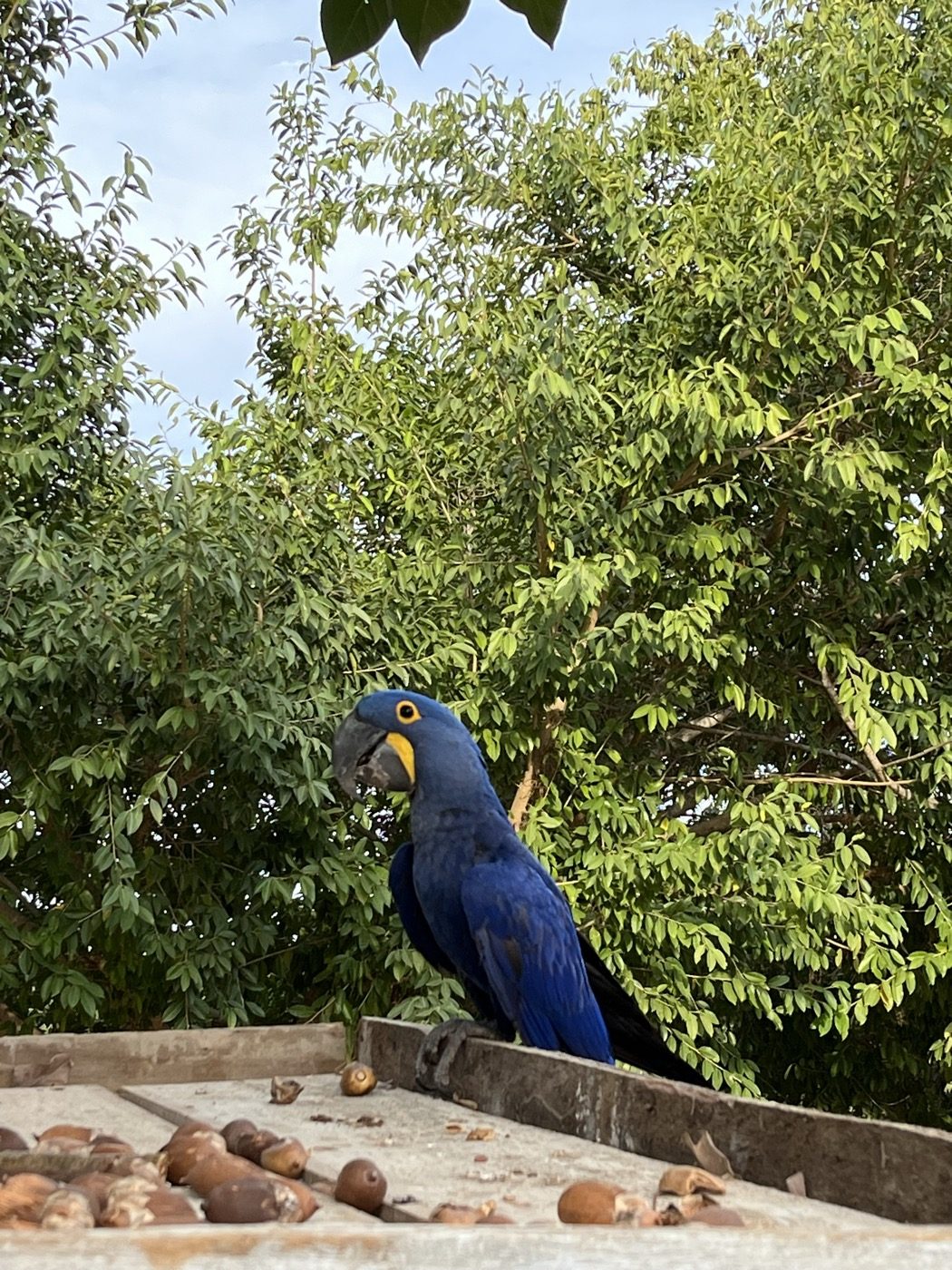
| What you do see | Capybara, caiman, giant otter, hyacinth macaw, birds | Capybara, marsh deer, caiman, giant anteater, howler monkey, rhea, 350-plus bird species |
| Dry season | June to October | Roughly May to September, also the coolest months |
| Getting there | Fly to Cuiabá, then about 100 km to Poconé and 147 km on the Transpantaneira dirt road | About 700 km of asphalt from Buenos Aires to Mercedes, then about 120 km to Carlos Pellegrini (around 70 of them gravel), or a flight to Posadas or Corrientes plus a road transfer |
| Typical cost | Higher: premium five-day jaguar packages from around USD 4,200, budget options less | Lower: free park entry, independent travel, pay local providers directly |
| Crowds | Busy at Porto Jofre in peak season | Few visitors and plenty of space |
What a visit actually feels like
The two wetlands deliver very different days, and this is where most travelers really decide.
The Pantanal at Porto Jofre is a focused jaguar-photography machine. You head out by boat on the Cuiabá River and its tributaries, usually a morning run from around seven to late morning and a second outing in the afternoon. Guides track the cats and talk by radio, so when a jaguar appears on a bank, boats converge and jockey for the best angle. It is thrilling, and it works. It is also busy: in peak season dozens of boats can press in around a single animal, a crowding that conservationists have started to flag.
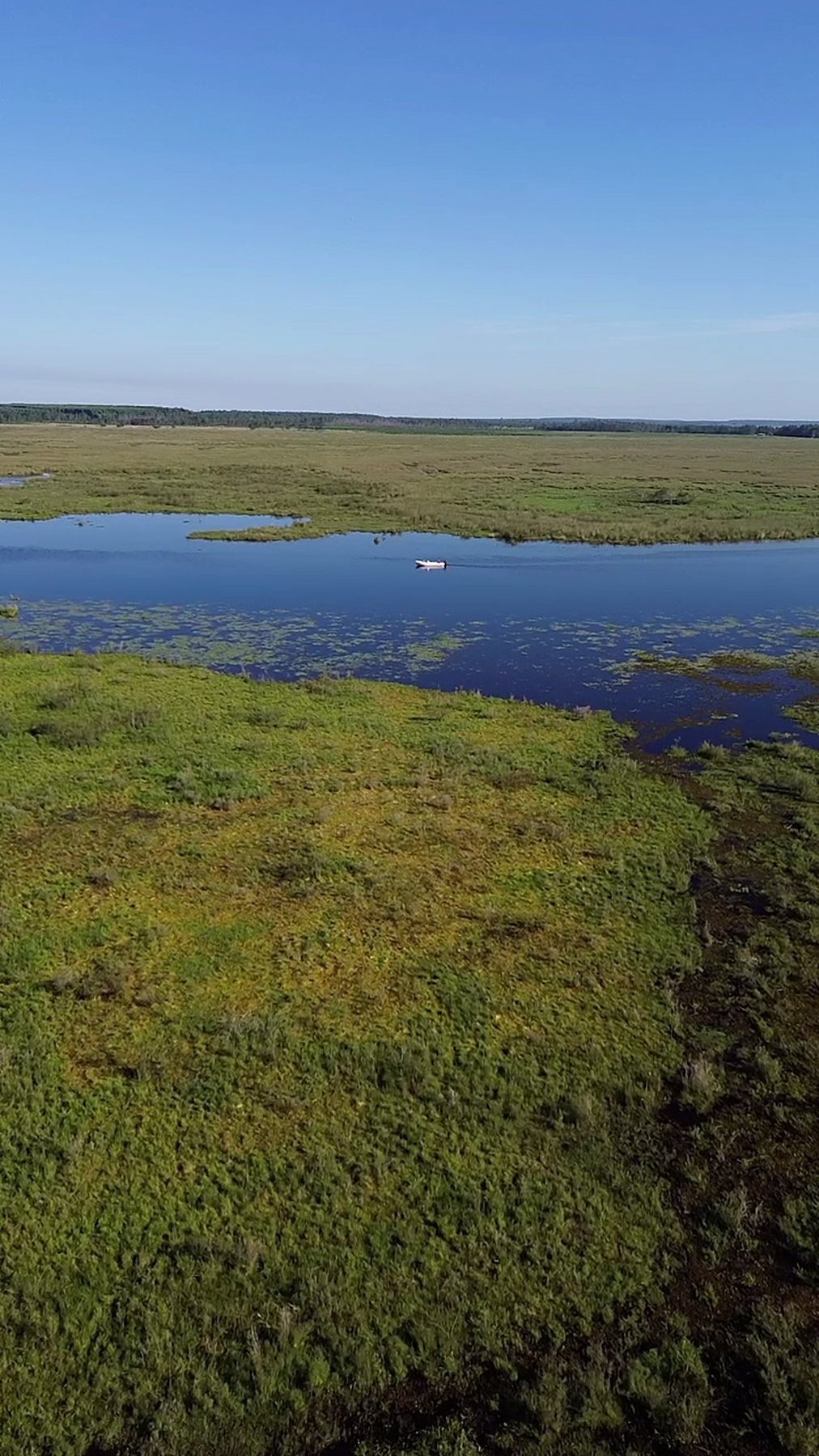
Iberá is slower and broader. The lagoon boat trips bring you within meters of caimans, capybaras and dozens of bird species, but they are only one part of the day. You can go out on a night safari, on foot or by vehicle, under some of the darkest skies in Argentina, with fireflies and stars for company. You can paddle a kayak through narrow channels, ride horseback across the grasslands, or walk trails that read the tracks of the animals being brought back. And you do most of it with almost no one else around.
Choose the Pantanal if...
- Seeing or photographing a wild jaguar is the whole point of the trip.
- You want near-guaranteed big-cat action and do not mind paying for it.
- You are happy flying into Cuiabá and driving the Transpantaneira, a dirt road with more than 120 wooden bridges, about 100 km to Poconé and then roughly 147 km to Porto Jofre.
One caveat worth knowing: this is also the busiest and most expensive way to see either wetland, as the cost and crowding notes further down spell out. If the jaguar is your priority, it is money and effort well spent. If it is not, read on.
Choose the Ibera Wetlands if...
- You want abundant, close, easy wildlife without a big-cat lottery. Capybara, marsh deer, caiman, giant anteater, howler monkeys, rhea and more than 350 bird species are often a few meters away, no telephoto lens required.
- You value quiet and space. Iberá is about 13,000 km² with a fraction of the visitors, so a sunrise boat ride can feel like the wetland is yours.
- You care about conservation you can actually witness. The Ibera National Park was created in 2018 from former cattle ranches, and the rewilding of jaguar, giant anteater and other lost species is happening right now, in front of you.
- You are closer to Buenos Aires and traveling on a smaller budget.
Getting there is overland and part of the charm: about 700 km from Buenos Aires to the town of Mercedes on good asphalt, then roughly 120 km to Colonia Carlos Pellegrini, around 70 of them on gravel that turns to mud after heavy rain, so the last stretch can close on rainy days. The nearest airports, Posadas and Corrientes, still leave a few hours of road. We break down the numbers in a full breakdown of what an independent Iberá trip costs.
The rewilding difference
This is the one thing the Pantanal cannot offer, because the Pantanal never lost its wildlife. Iberá did, and is getting it back.
Starting in 1997, the Conservation Land Trust, founded by Douglas Tompkins, bought up worn-out cattle ranches across the marshes and later donated them to create the national park. The rewilding program that followed has returned a string of locally extinct species: the giant anteater first, in 2007, then the pampas deer, the collared peccary, the bare-faced curassow and the red-and-green macaw, the jaguar in 2021, and the giant river otter in 2025. Today Rewilding Argentina monitors them with collars and camera traps, and a growing share of the local economy now runs on people coming to see the animals come home.
For a traveler, that changes the texture of the trip. A walk in Iberá is not just wildlife watching, it is watching a place be put back together. That story, more than any single sighting, is the reason many people choose Iberá.
When to go
Both wetlands are Southern Hemisphere destinations, so their dry season is the cool half of the year, roughly June to October, and both reward visits then, for the same underlying reason: as the water drops, the animals concentrate.
In the Pantanal the dry season runs from about June to October. As the rivers shrink, jaguars spend more time on the exposed banks, which is exactly why sightings peak from July to September. The trade-off is heat: by late September and October midday temperatures can climb past 40°C. From November to March the floods return, wildlife scatters, and many lodges simply close.
In Iberá, May to September brings mild days around 15 to 25°C, though winter mornings can dip near 5°C. Spring, from September to November, brings excellent birding as migrants return, but spring rains can make the gravel road slow going. Summer, December to February, is hot and humid, often above 30°C. In both places, early morning and late afternoon are when the wetland comes alive.
What it costs
The Pantanal is the pricier trip. Premium five-day jaguar safaris at Porto Jofre start around USD 4,200 and climb from there, with comfortable lodges and pousadas running roughly USD 190 to 400 a night for two on full board. You can do it cheaper with shared tours or a Transpantaneira self-drive, but the jaguar is only reliably seen from a boat with a local driver, so that cost is hard to avoid.
Iberá is markedly cheaper, starting with the fact that entry to the national park is free. The municipal campsite in Carlos Pellegrini costs around USD 13 a night, an independent lagoon boat trip around USD 25 to 30, and full-board posadas cost a fraction of a Porto Jofre houseboat. A fair warning: Argentine prices move fast with inflation, so treat any figure as orientation and check the current rate before you book. Our full breakdown of what an independent Iberá trip costs keeps the numbers up to date.
Can you combine both?
Short answer: not easily, and that is fine. The two wetlands sit in different countries, more than a thousand kilometers apart, reached through different cities, Cuiabá for the Pantanal and Mercedes, Posadas or Corrientes for Iberá. Trying to squeeze both into one short trip means spending your days in transit instead of in the marsh.
What does pair beautifully is Iberá and the Iguazú Falls. Both sit in Argentina's northeast, and the distance depends on which Iberá portal you start from: about 450 km from the northern gateways near Ituzaingó, and more from Colonia Carlos Pellegrini in the south. Either way it is a long day's drive, usually broken with a night in Posadas, with the UNESCO Jesuit ruins of San Ignacio Miní right on the route. There are no direct flights between the two, so the road is the practical choice, and it makes for one of the great nature circuits in the country: wetland wildlife, a colonial ruin, and some of the most spectacular waterfalls in South America.
The bottom line
- The Pantanal is the jaguar showcase: higher cost, more travelers, and the best big-cat odds on Earth.
- The Ibera Wetlands are the quieter, wilder, friendlier-on-the-budget option, with wildlife everywhere and a rewilding story you can feel part of. Think of Iberá as the Pantanal's lesser-known neighbor, except that to the animals moving back in, it is no secret at all.
If that second trip is the one you want, we can help you plan it.
Frequently asked questions
Is the Pantanal or Iberá better for seeing jaguars?
The Pantanal, with no real contest. Around Porto Jofre, operators report dry-season sighting rates above 90 percent over a multi-day trip. In Iberá the jaguar has only just returned and is rarely seen. You go to Iberá for the comeback story and the rest of the wildlife, not for a guaranteed cat.
Is Iberá worth visiting if I probably will not see a jaguar?
Yes. Capybaras, marsh deer, caimans, giant anteaters, howler monkeys and more than 350 bird species are easy to see and often close. Add quiet, dark skies, low prices and a living rewilding project, and most visitors leave glad they did not chase a jaguar elsewhere.
When should you go to each one?
Both peak in the cool, dry season, roughly June to October, when falling water concentrates wildlife. The Pantanal is at its best for jaguars from July to September. Iberá has its driest, mildest weather from May to September, with great birding in spring.
Which is cheaper, the Pantanal or Iberá?
Iberá, clearly. National park entry is free, camping costs a few dollars, and a boat trip is around USD 20. Porto Jofre runs on paid boats and lodges, with premium packages starting near USD 4,200 for five days.
How do I get to each one?
For the Pantanal, fly to Cuiabá, then drive about 100 km to Poconé and 147 km down the Transpantaneira to Porto Jofre. For Iberá, the classic route is overland from Buenos Aires to Mercedes and then 120 km to Carlos Pellegrini, or fly to Posadas or Corrientes and transfer by road. Full detail in how to get to the Iberá Wetlands.
Can I visit both in one trip?
It is possible but hard, since they are in different countries more than a thousand kilometers apart. Most travelers pick one. If you want to extend an Iberá trip, pair it with the Iguazú Falls instead.
Iberá Experience is the free guide app to the Ibera Wetlands. It shows you which of the ten gateway portals to choose, where to stay, and who runs the boat safaris, birding walks and horseback rides, with direct contact for each one. No sign-up, and it works straight from your browser. Start at iberaexperience.com.
Sources, last checked June 2026: Ibera National Park and Provincial Reserve areas, Pantanal size, and the Transpantaneira (Wikipedia); Iberá jaguar population, rewilding timeline and translocations (Rewilding Argentina, Tompkins Conservation, Mongabay, Noticias Ambientales); Porto Jofre jaguar sighting rates and crowding (Mongabay 2025, Lorenzo Expeditions); Pantanal access and package costs (operator listings, Moon Travel Guides); seasons and Iguazú logistics (operator and regional tourism sources).
Start planning your Iberá trip
Free, no download and no sign-up: the app that gathers all 10 access portals and more than 500 local providers of the wetlands.
Open Iberá Experience