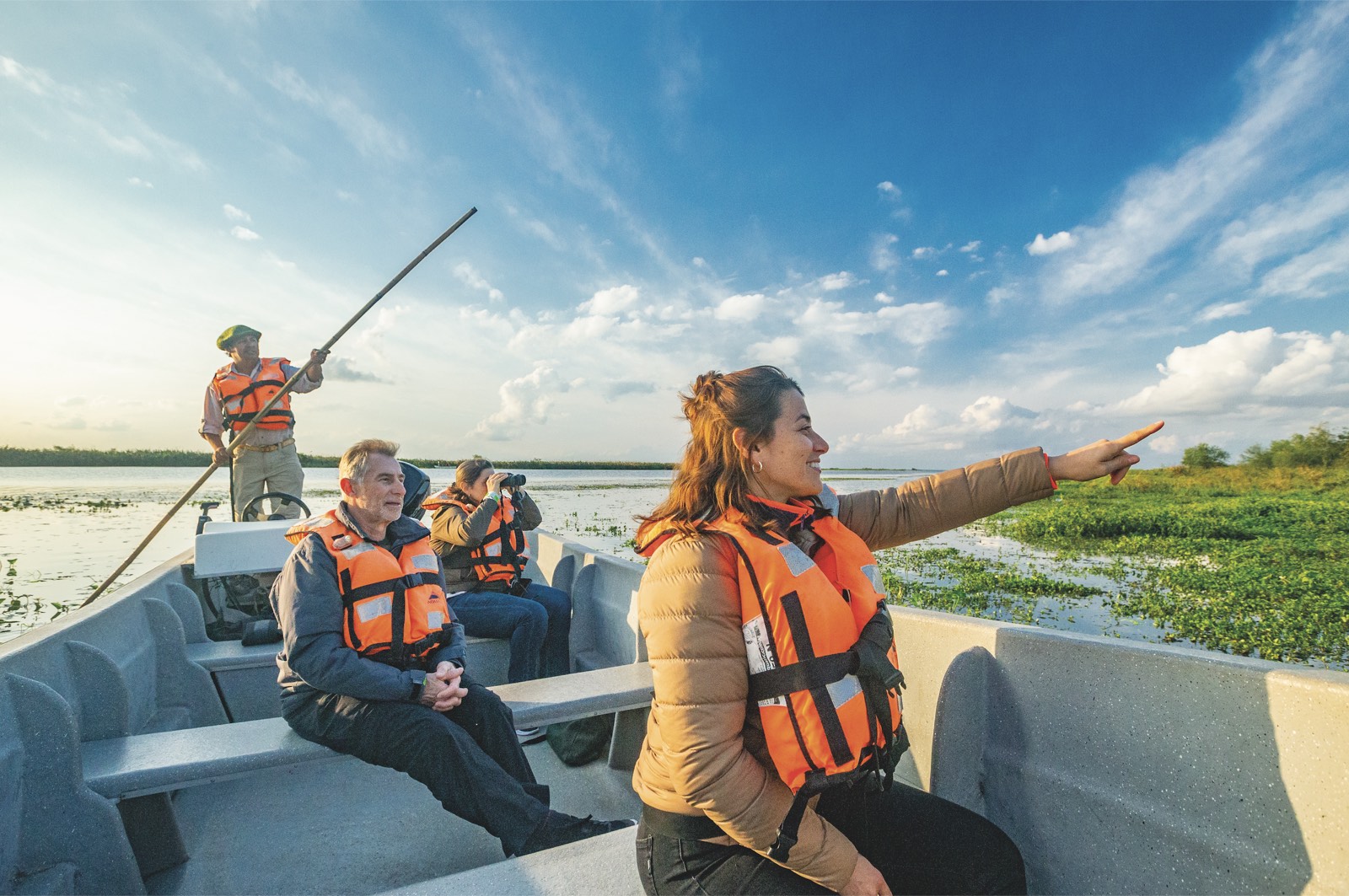
Winter and high season begin (June to October). The water drops, wildlife concentrates and there are practically no mosquitoes. Frost is possible.
Season
The high season of the Iberá is from June to October. Winter (June to August) is a very good time: low water, concentrated wildlife, cool weather and no mosquitoes. Long weekends and July are the peaks of occupancy: book in advance. The low season (January to March) has extreme heat but also very active wildlife at dawn.
Weather
The Iberá has a humid subtropical climate. Average temperature in January: 27°C, in July: 16°C. Absolute highs exceed 40°C in summer. Frosts are possible between June and August. It rains all year round, around 1,400 mm annually. Rain is concentrated between autumn and spring (March, April and October are among the wettest months) and winter is the driest part of the year, with August the driest month.
Mosquitoes
Mosquitoes are most active in summer (December to March) and at dusk. With proper repellent and lightweight long clothing they are not a real problem. In the cold months (May to August) there are practically no mosquitoes. The lodgings in the Iberá always have mosquito nets.
Only at this time of year
They are only around for part of the year, and this month is one of them.
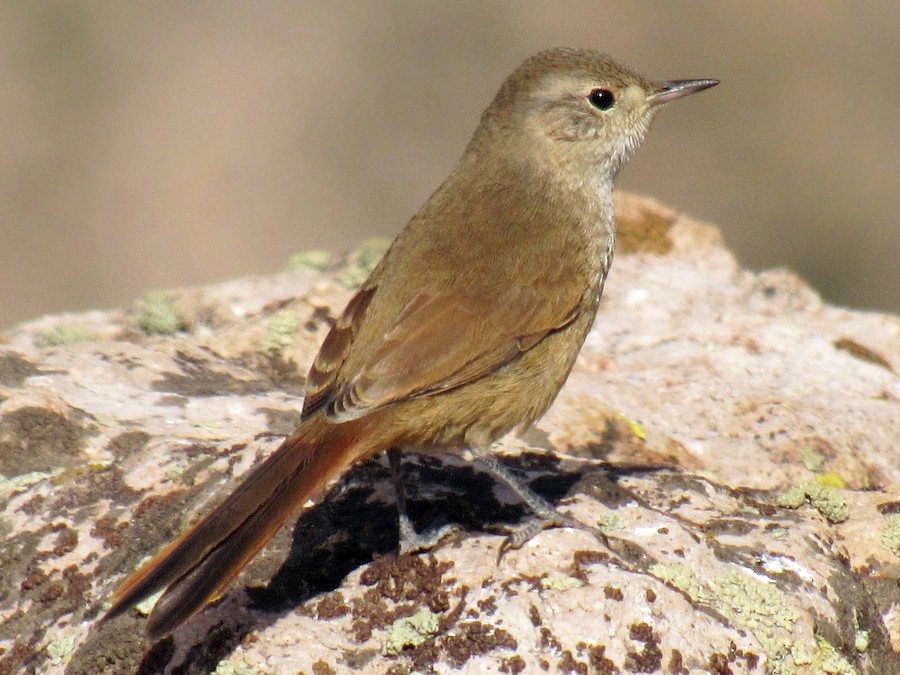
A visitor of the cold months (autumn and winter) in the tall grasslands and reed beds.
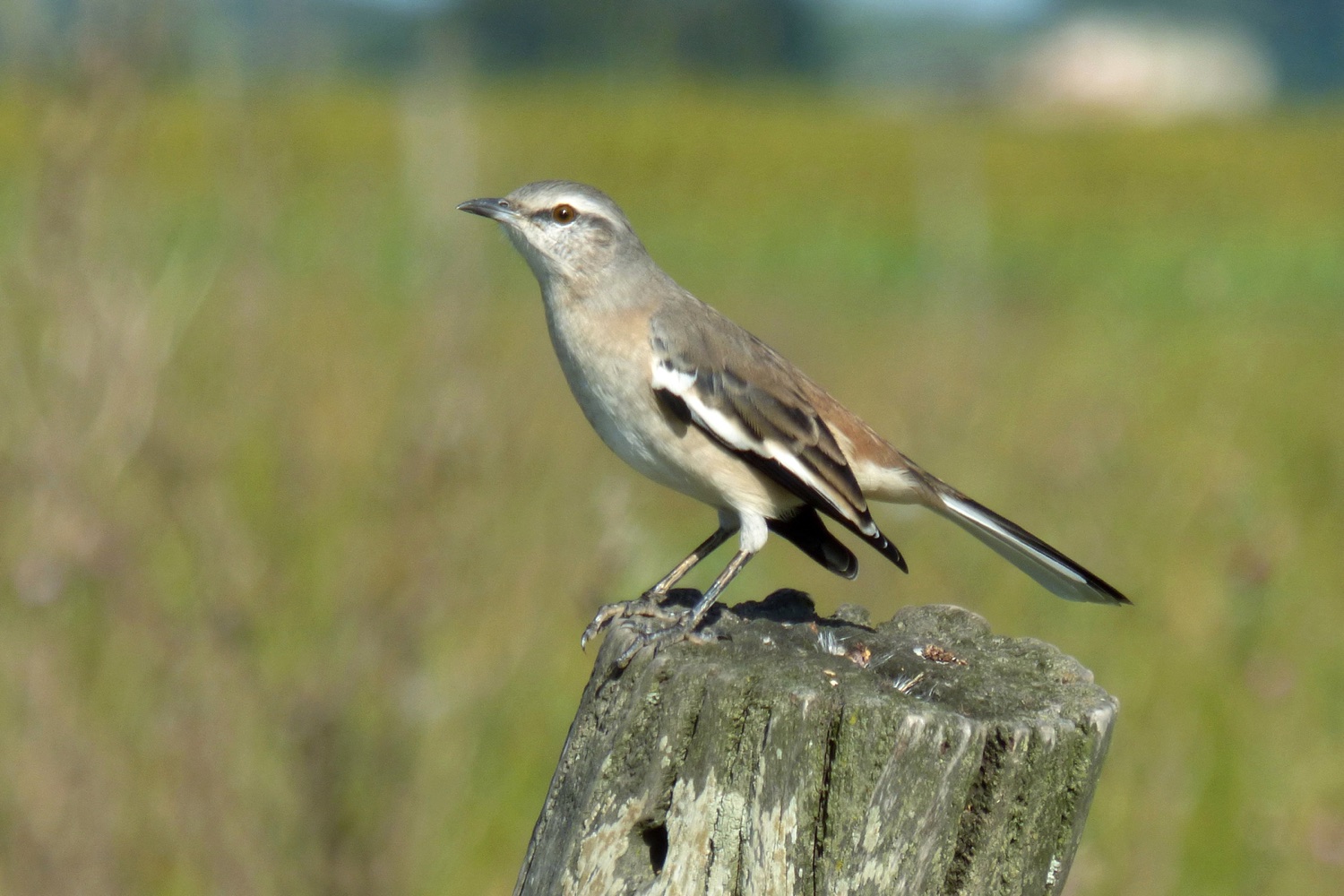
An austral autumn-winter visitor (it does not nest in Iberá; it breeds farther south).
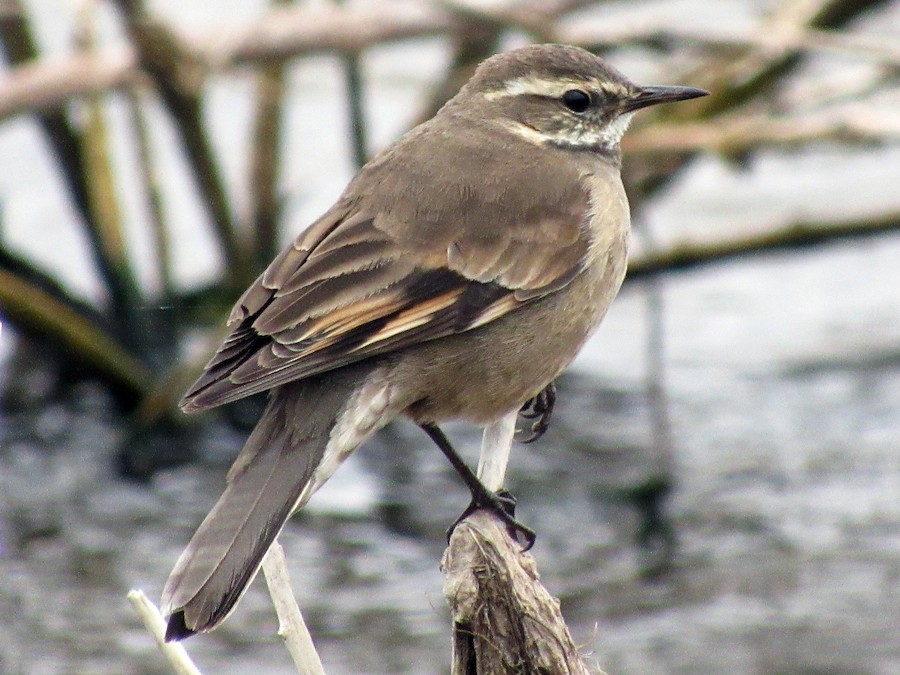
Autumn and winter (April to August) when it descends from the Andes.
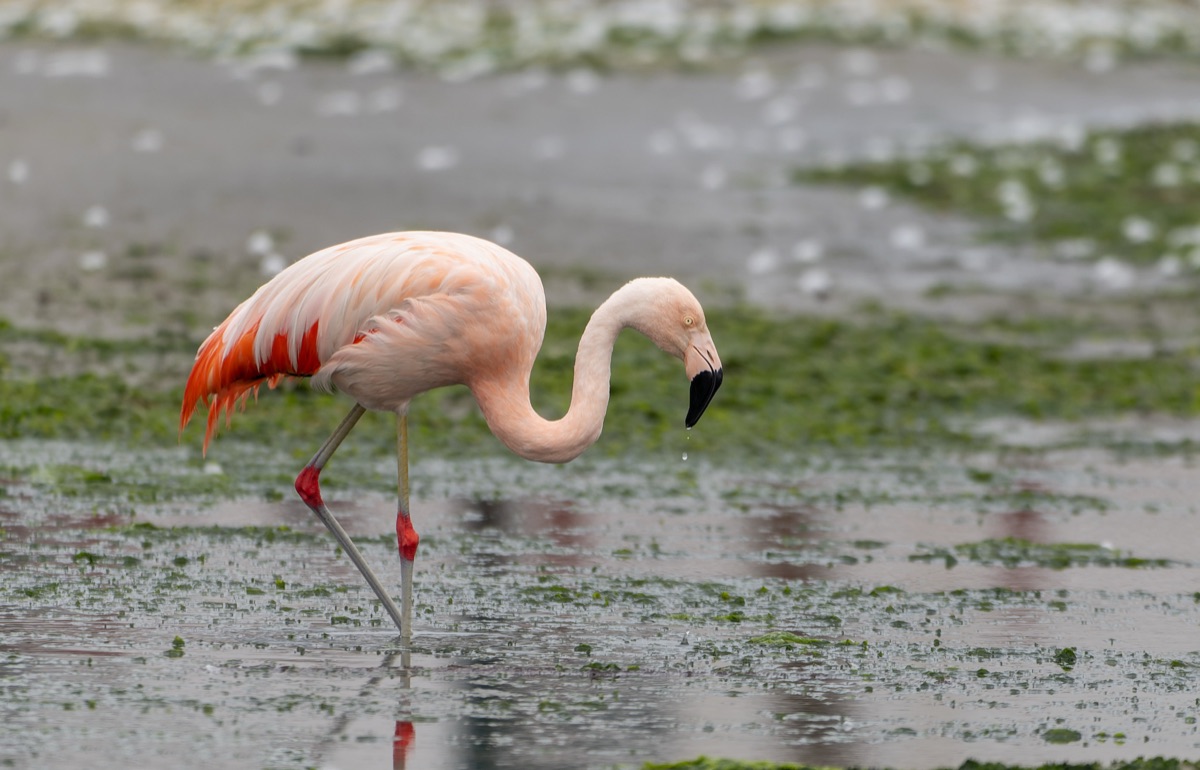
Most arrive to spend the winter, June to August; outside those months the odd one may linger, but it is rare.
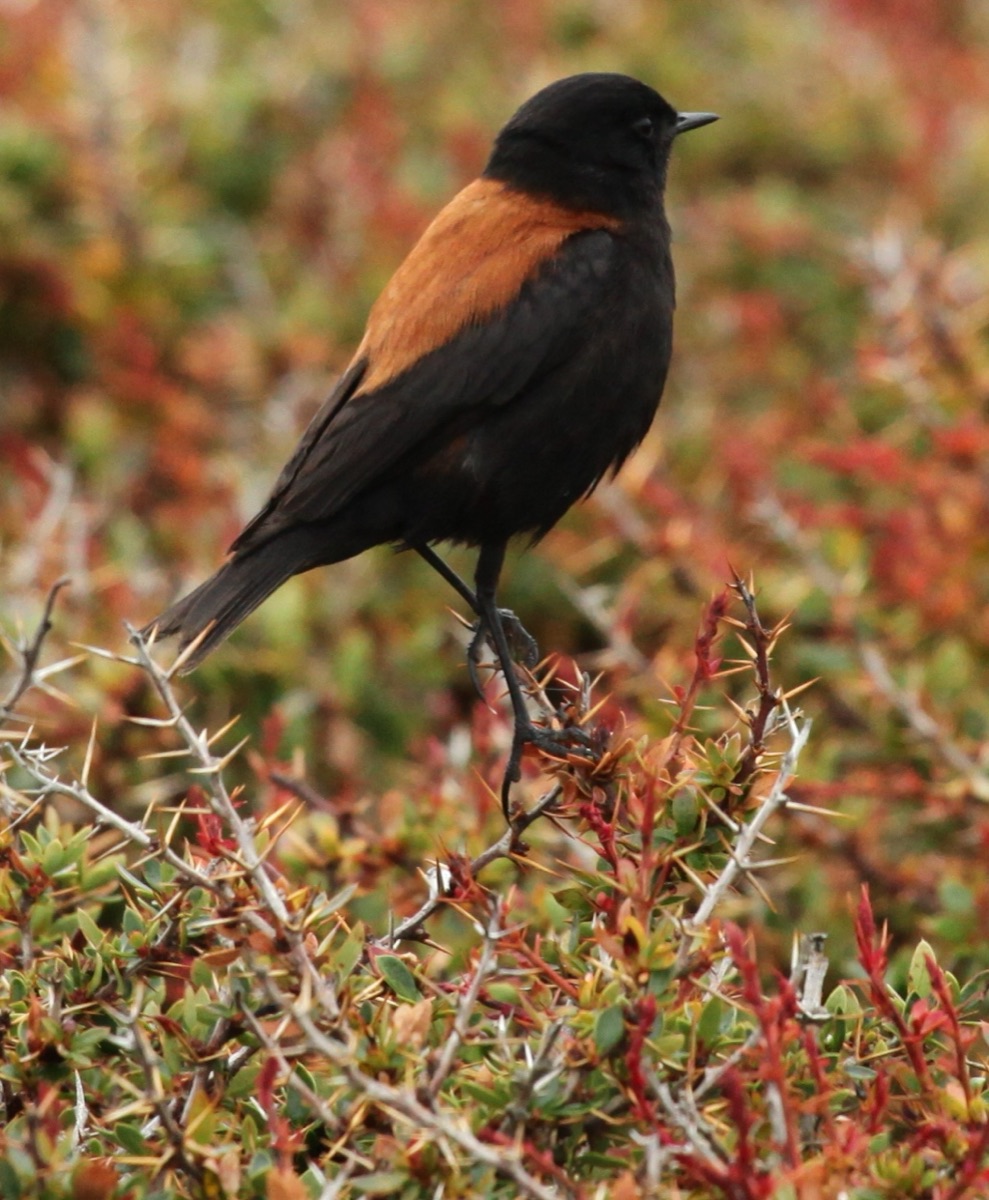
Winter visitor: it arrives from Patagonia mainly from June to August and heads back south when the cold eases.
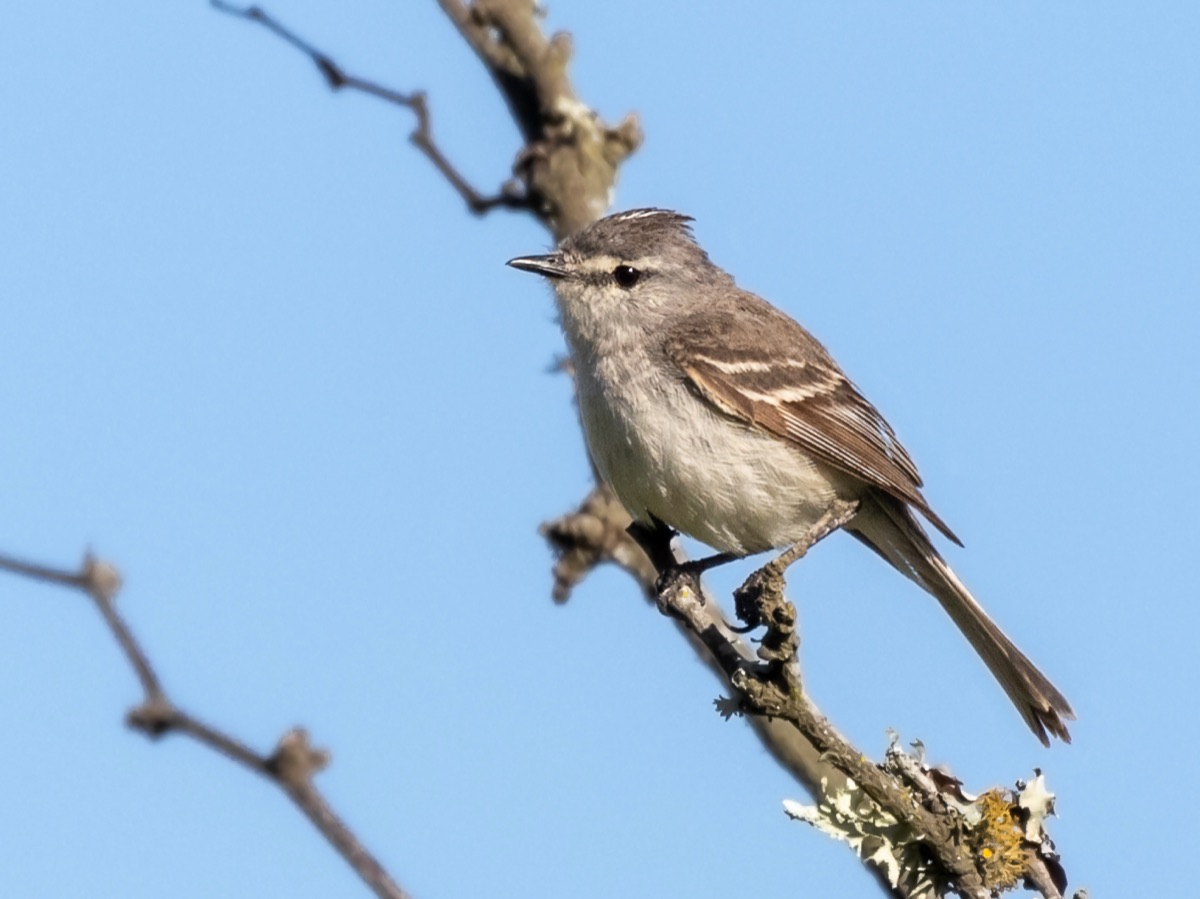
Winter visitor: it arrives from the south mainly from June to August; the rest of the year it is a rarity.
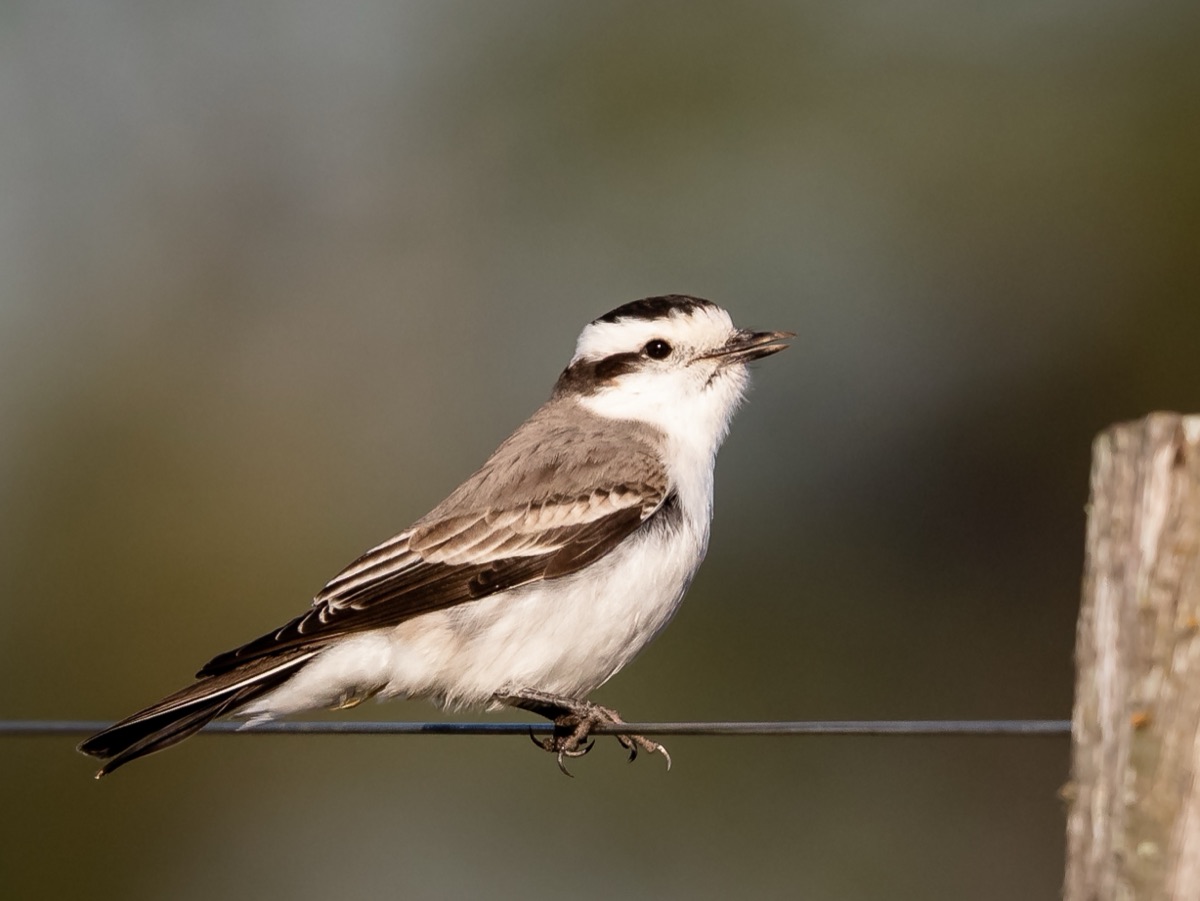
Winter visitor: present mainly from June to August, back south before the heat begins.
Migration
Migratory species passing through or arriving in the Iberá at this time.
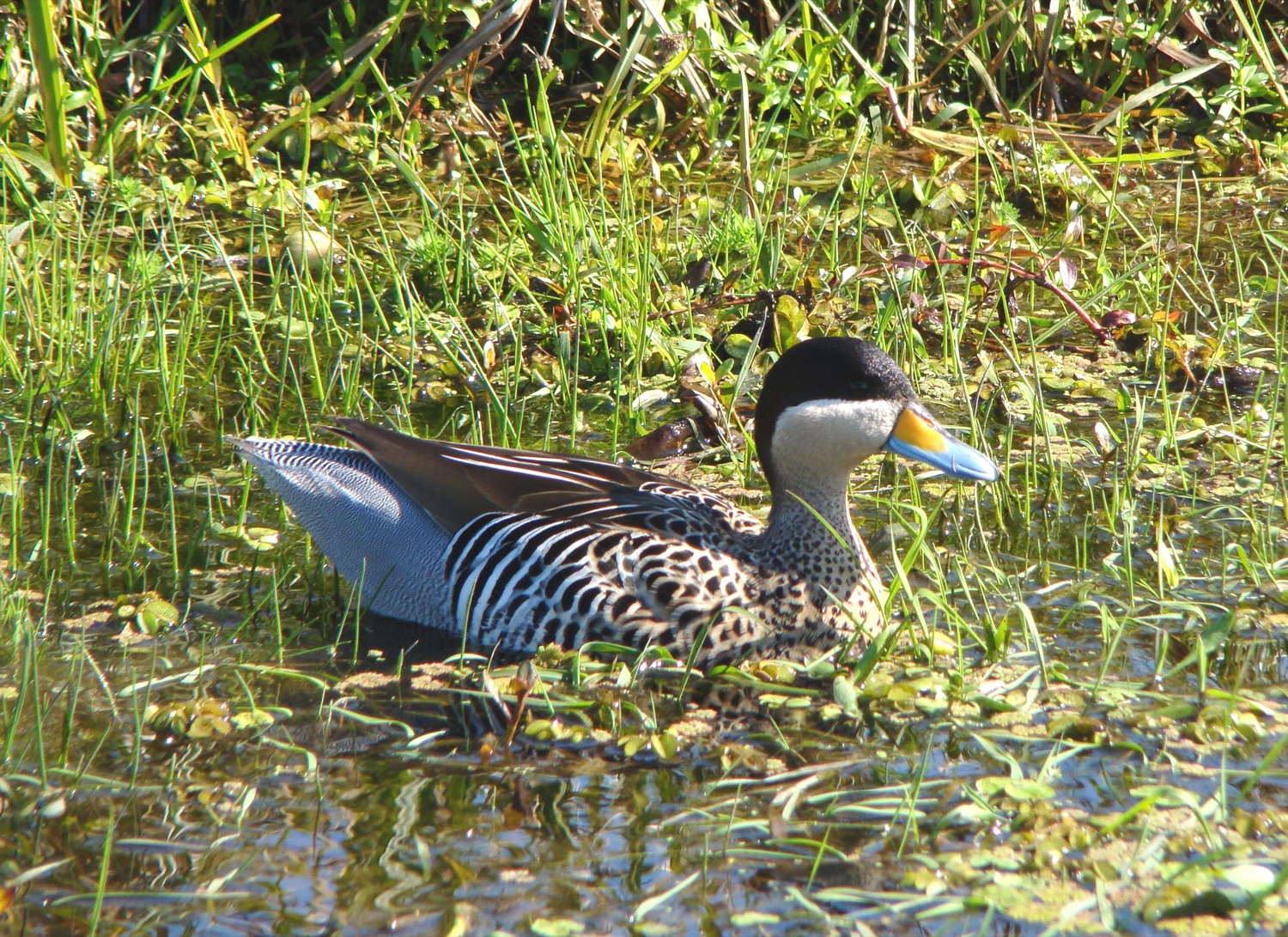
Year-round, with greater abundance in autumn and winter when migratory individuals join.
At its best
They are here all year, but this is their moment of greatest presence or activity.
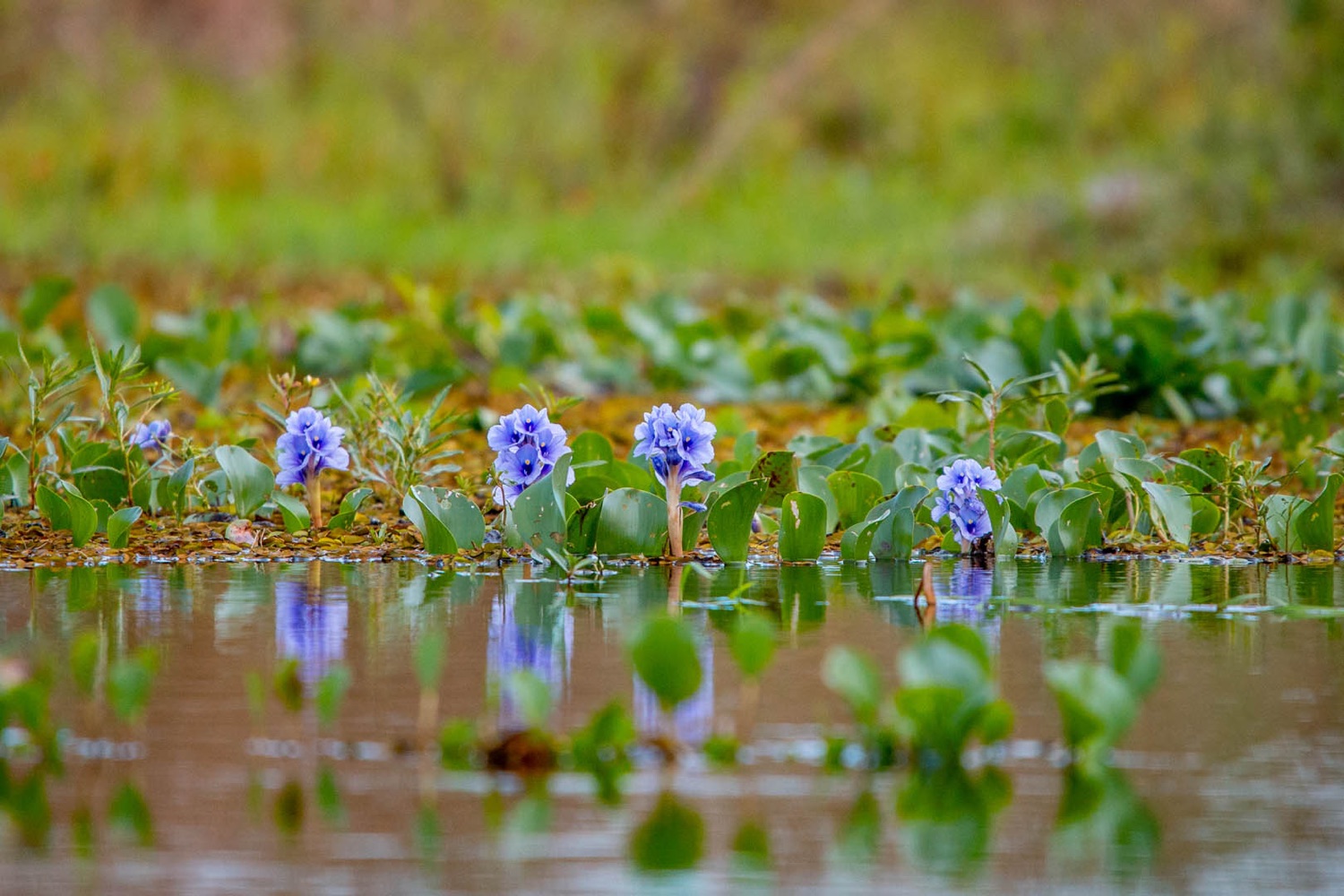
The months from May to October (autumn and winter) are ideal for navigating and exploring the dense network of floating peat mats by boat or kayak.
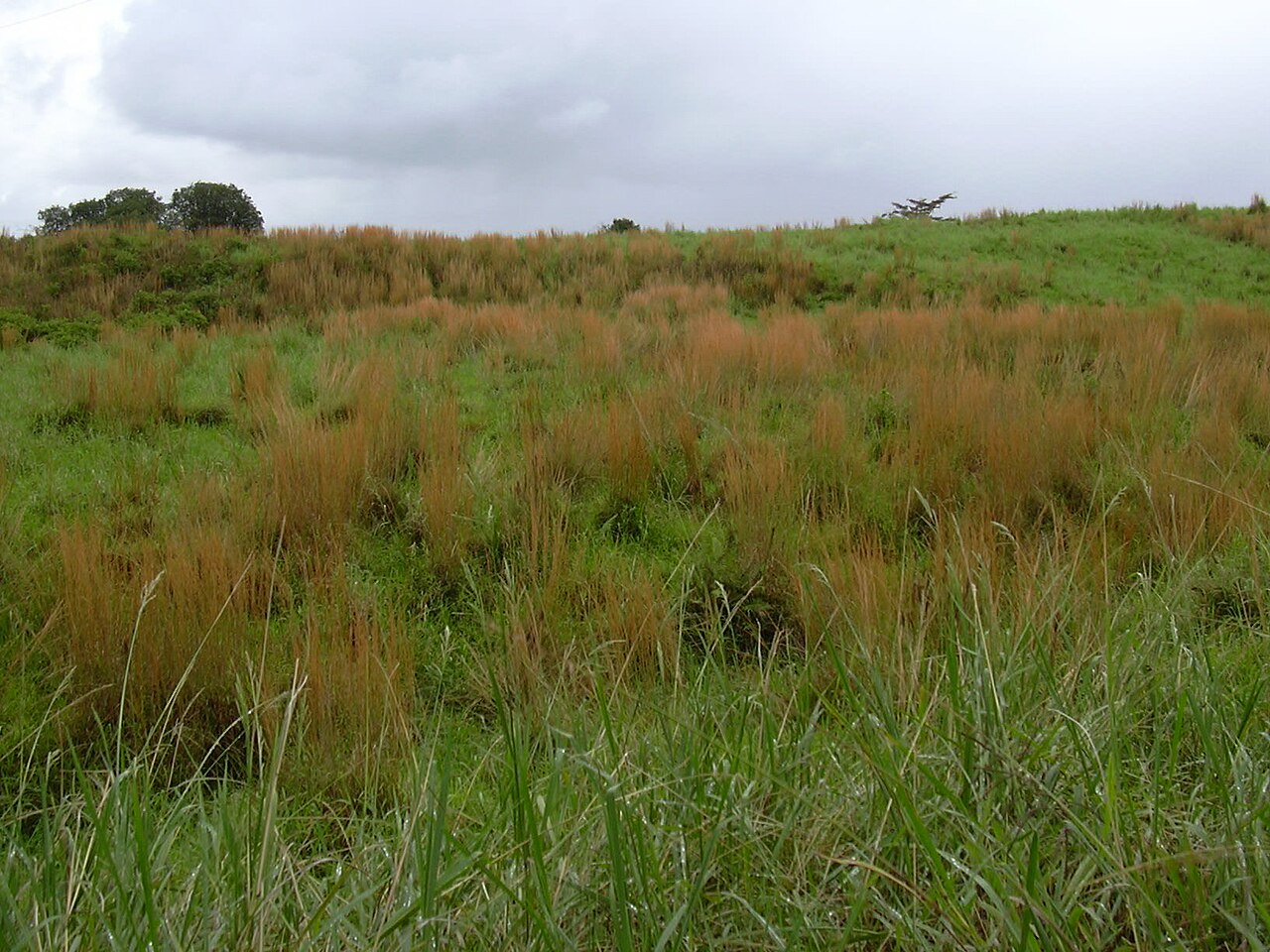
However, its moment of maximum splendor and scenic glory occurs strictly during the autumn (from March to June).
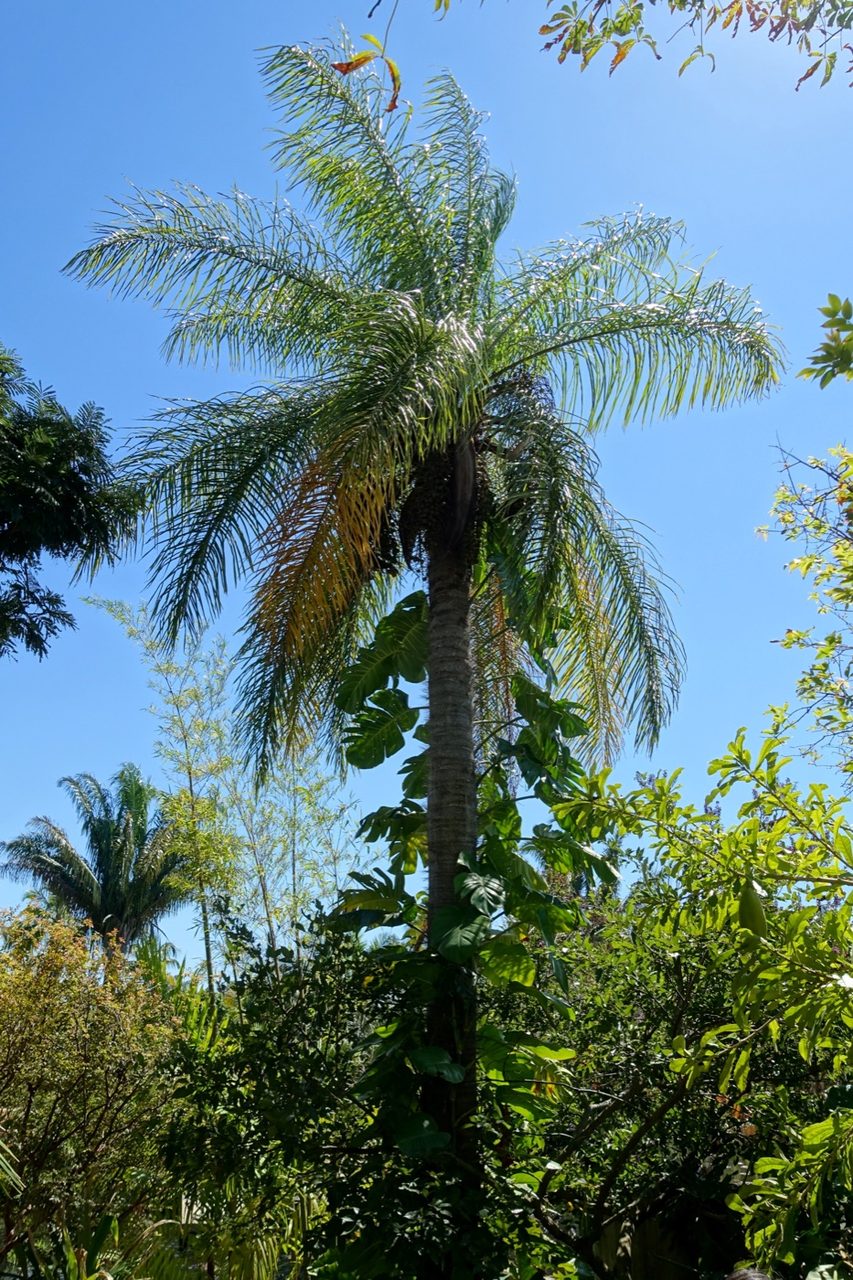
The large clusters of fruit hang ripe during the autumn and winter months, becoming a critical resource for survival for the larger and smaller fauna of the wetland when resources are scarce in the rest of the woodland.
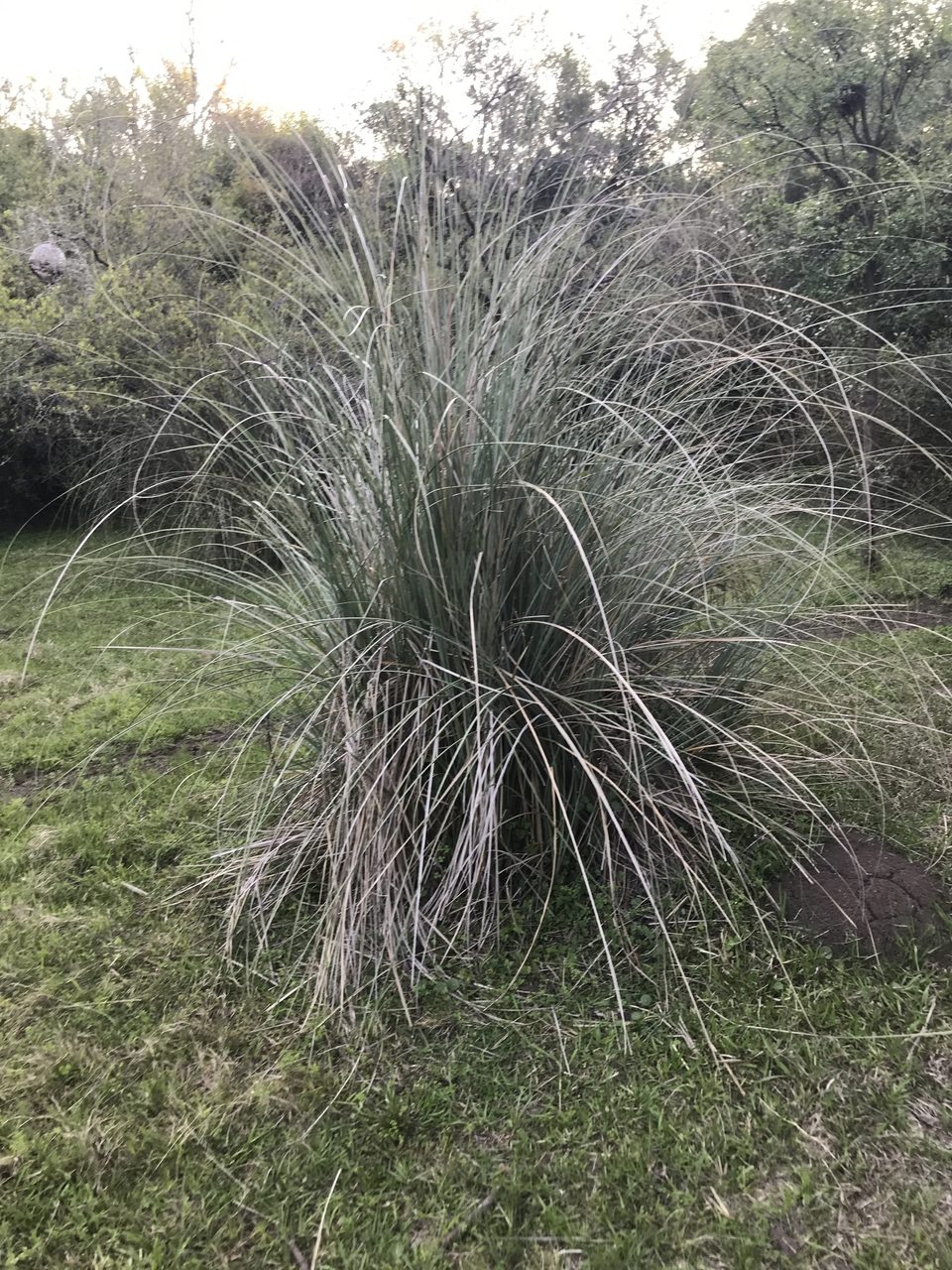
It records its moment of greatest chromatic drama during the autumn and winter months (from April to August), when the panicles ripen and tint the landscape an old, deep gold.
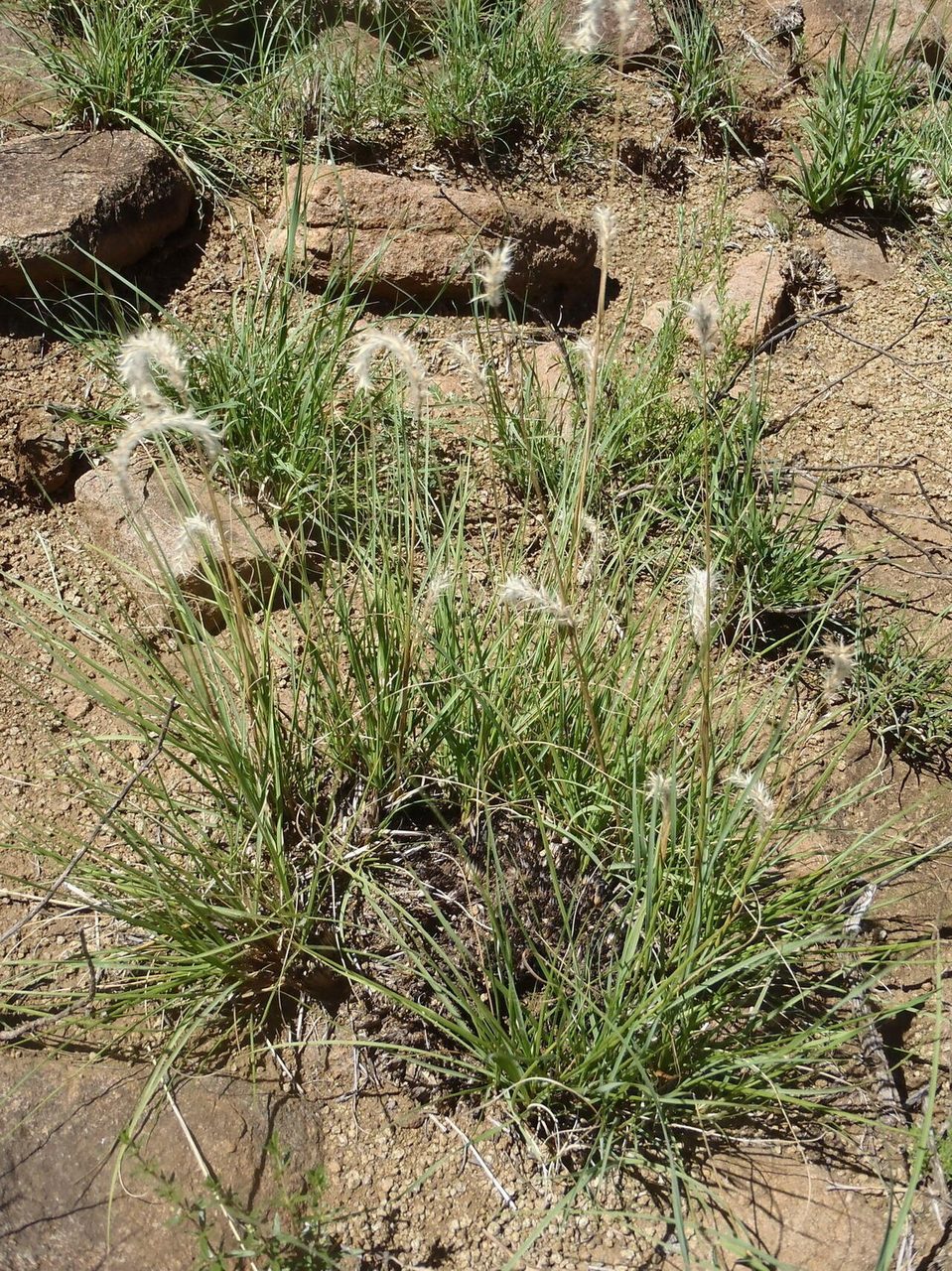
However, its moment of greatest visual drama occurs during the winter months.
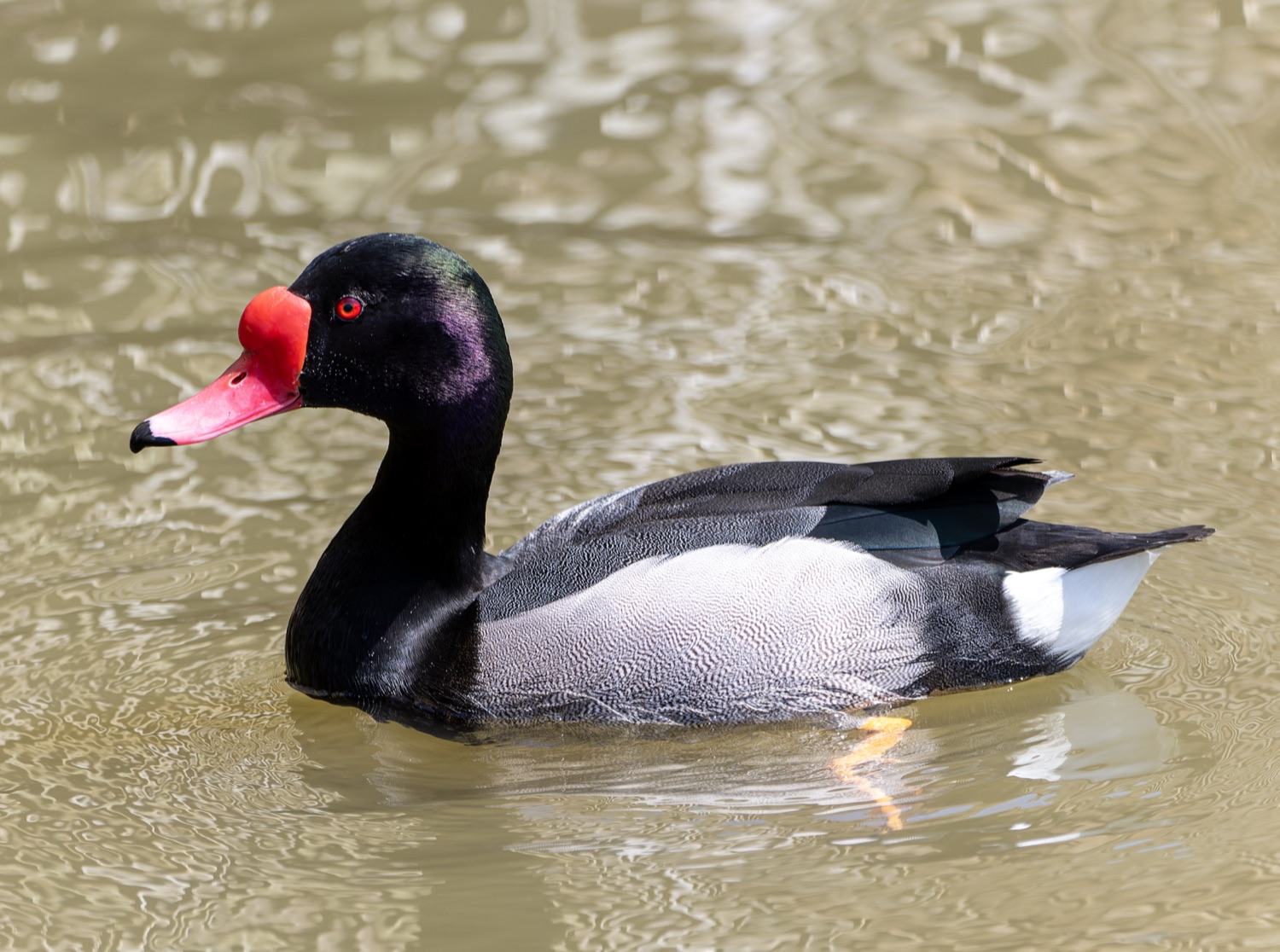
Year round, with greater presence in autumn and winter.
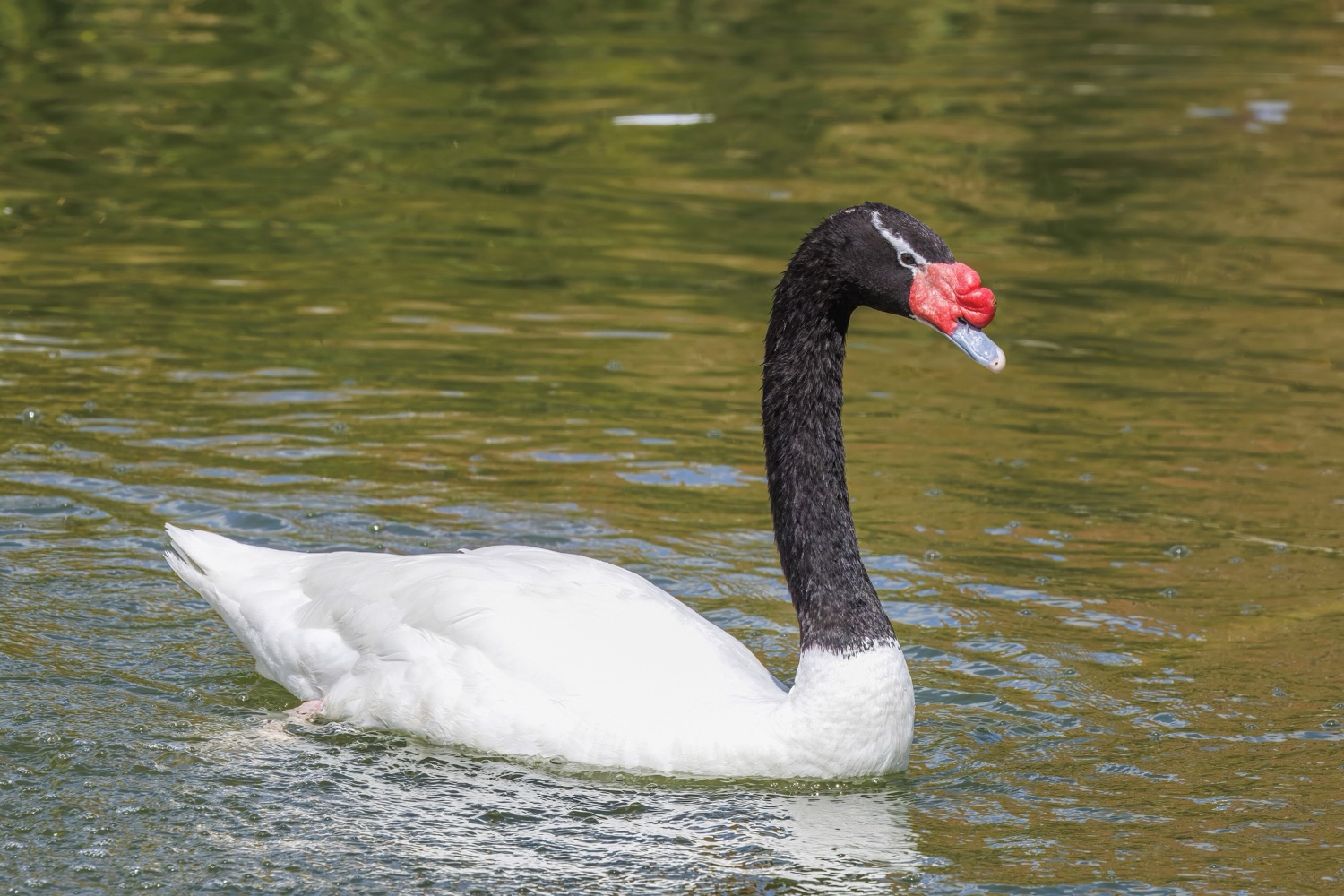
Year-round in the open lagoons, with greater abundance in autumn and winter.
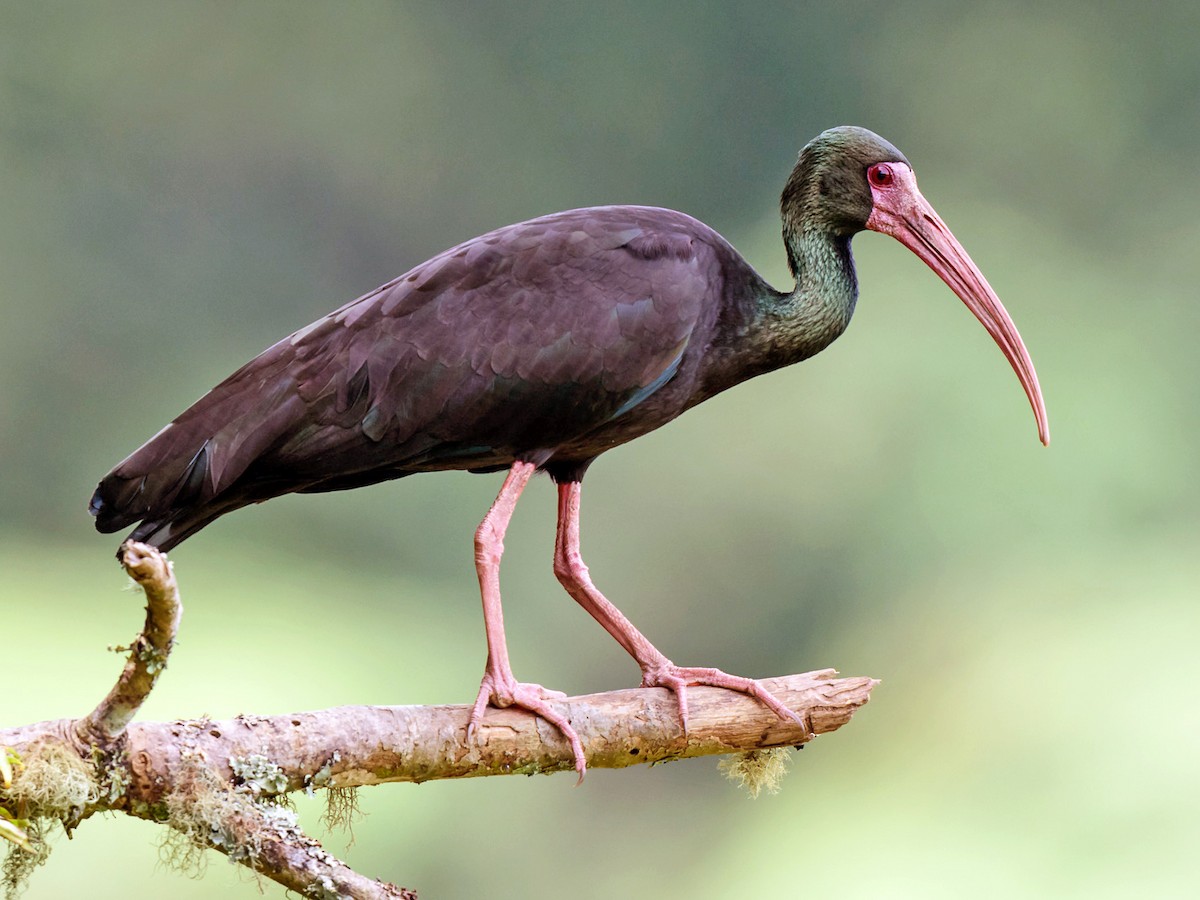
Particularly abundant in winter.
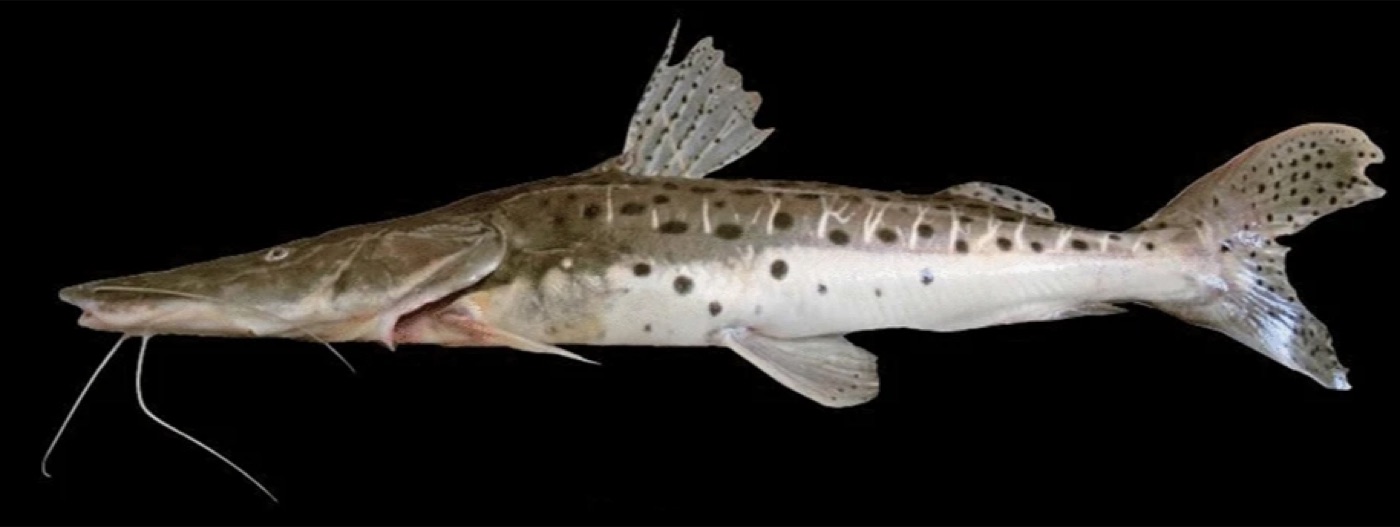
Best in winter and autumn when the water levels drop.
Present
Species with notable presence this month.
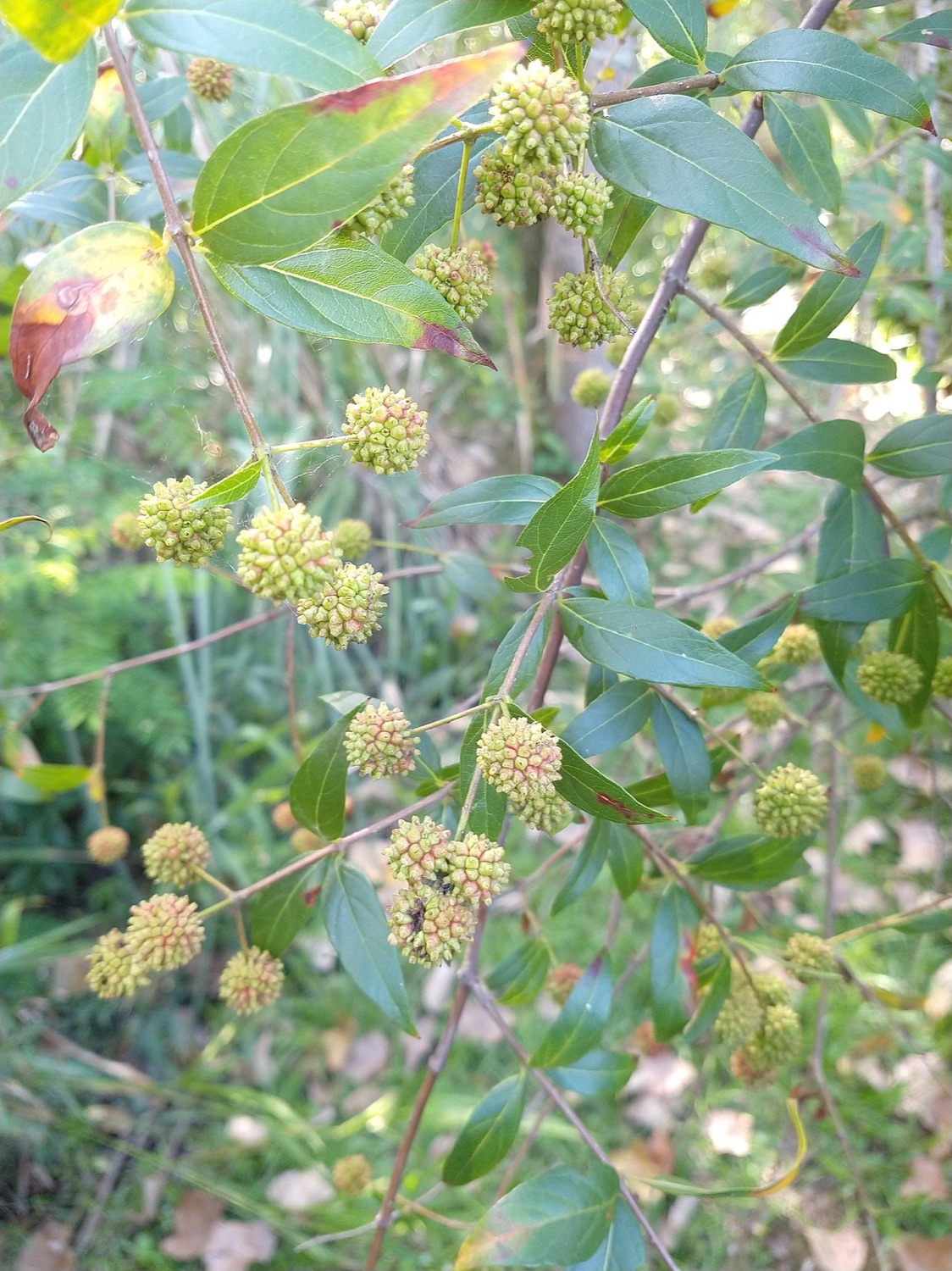
In autumn and winter, its brown spherical fruit remains an unmistakable visual marker of the wetland shore.
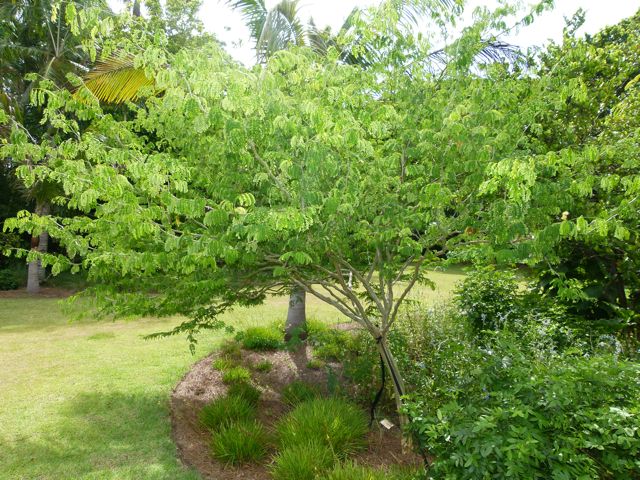
The spiralled pods fallen on the trail floor are easy to find in autumn and winter and are one of the most striking botanical finds to photograph in the Iberá.
Always there
The Iberá's emblematic wildlife is around all year, June included.
Where to see it
The gateways into the Great Iberá Park and the base towns, each with their own lodges, guides and boat tours.
Plan your trip to the Iberá
Map, wildlife, verified providers and trip planner, all in one place. Free, no download needed.
Open Iberá Experience