What the portals of the Iberá are
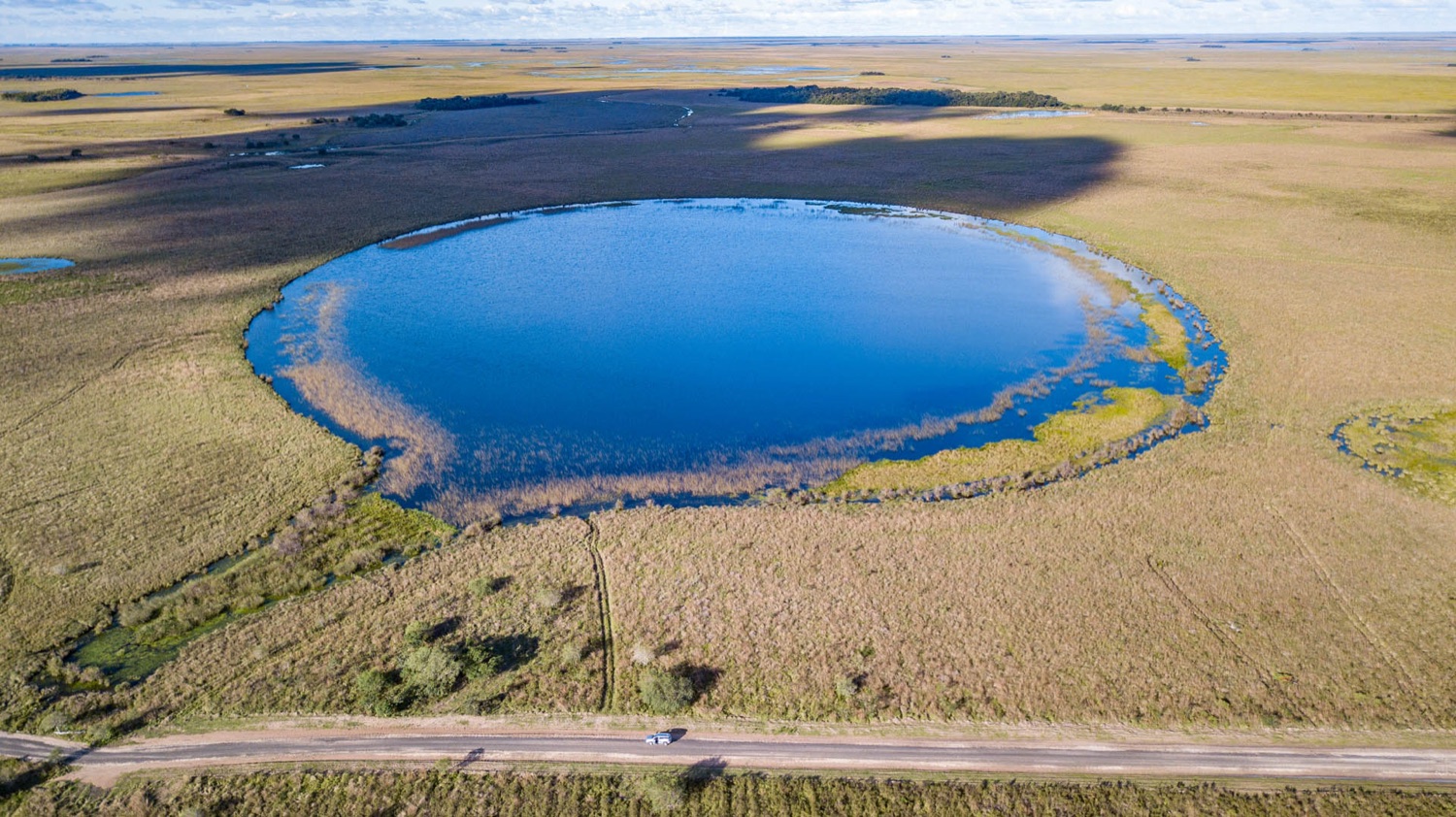
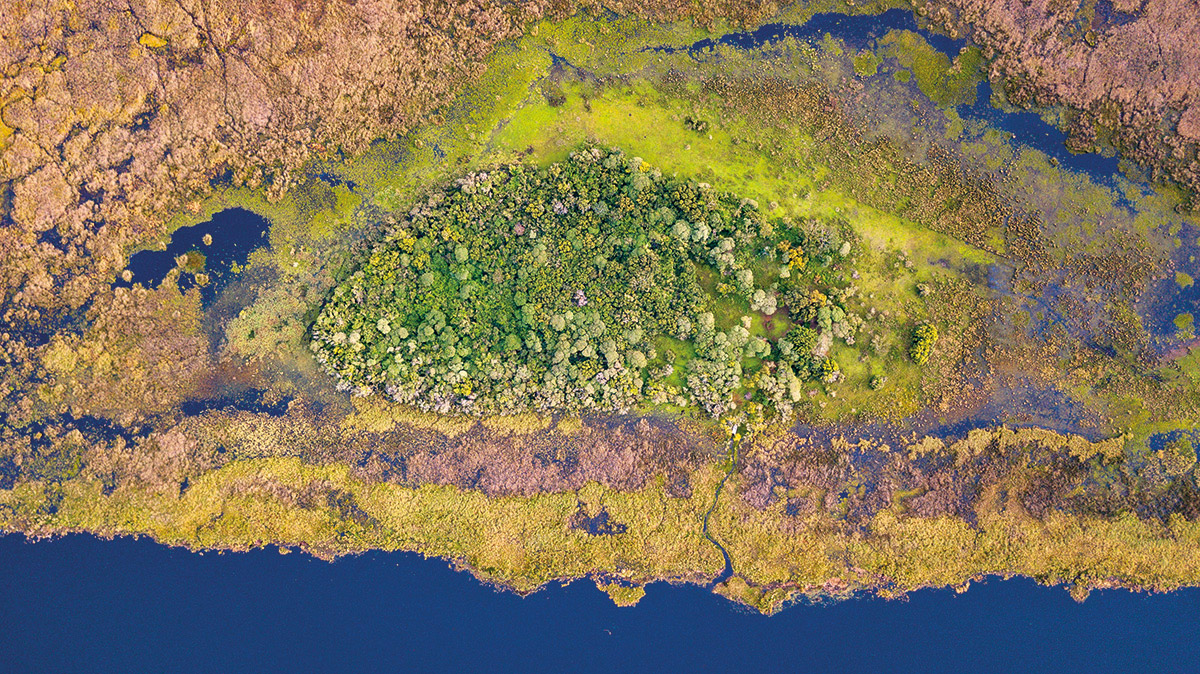
The Esteros del Iberá are the largest wetland in Argentina, with almost 1,300,000 hectares of lagoons, marshes, floodplains and palm groves in the province of Corrientes. The Great Iberá Park, created in 2018, organises access to this territory through ten portals spread around the whole perimeter of the wetland. Each portal is independent from the rest: it has its own base town, its own providers, its own predominant wildlife and its own style of experience.
There is no "main entrance" to the Iberá. A traveller arriving at Carlos Pellegrini enters through Portal Laguna Iberá; someone arriving at Concepción del Yaguareté Corá enters through Portal Carambola. It is the same ecosystem but with different landscapes, wildlife and atmospheres. That is why choosing the right portal for the kind of trip you want is the first step in planning a visit to the Iberá Wetlands properly.
The ten portals, one by one
Portal Laguna Iberá (Carlos Pellegrini)
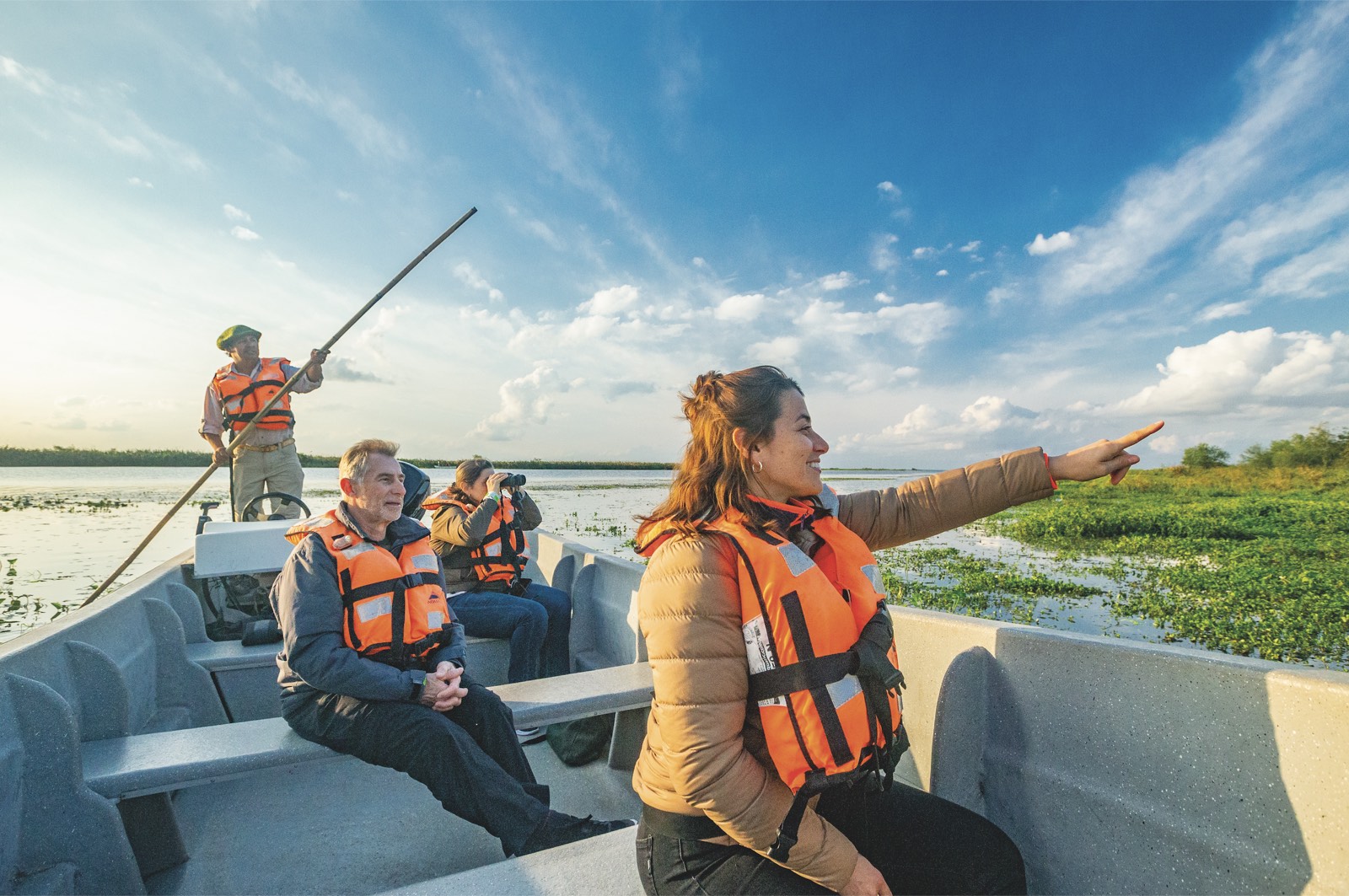
The most visited and the best equipped in the system. Carlos Pellegrini has more than 35 lodging options, a canteen, a campsite on the lagoon and an artisans' circuit. It is the ideal portal for a first visit to the Iberá: it has regular boat excursions, kayaking, horseback rides and night safaris, all of which can be arranged from the town without booking ahead. Entry to the Provincial Park requires buying a ticket in town.
Portal Carambola (Concepción del Yaguareté Corá)
The wildest portal in the system and part of the territory where the jaguar has been reintroduced in the Iberá since 2021 (today there are dozens of individuals living free across the system). It is also the only portal where you can swim among the marshes alongside horses crossing the channels. Concepción del Yaguareté Corá was selected for the UNWTO Best Tourism Villages programme. Its night sky, free of light pollution, is one of the best in northern Argentina.
Portal Cambyretá (Ituzaingó)
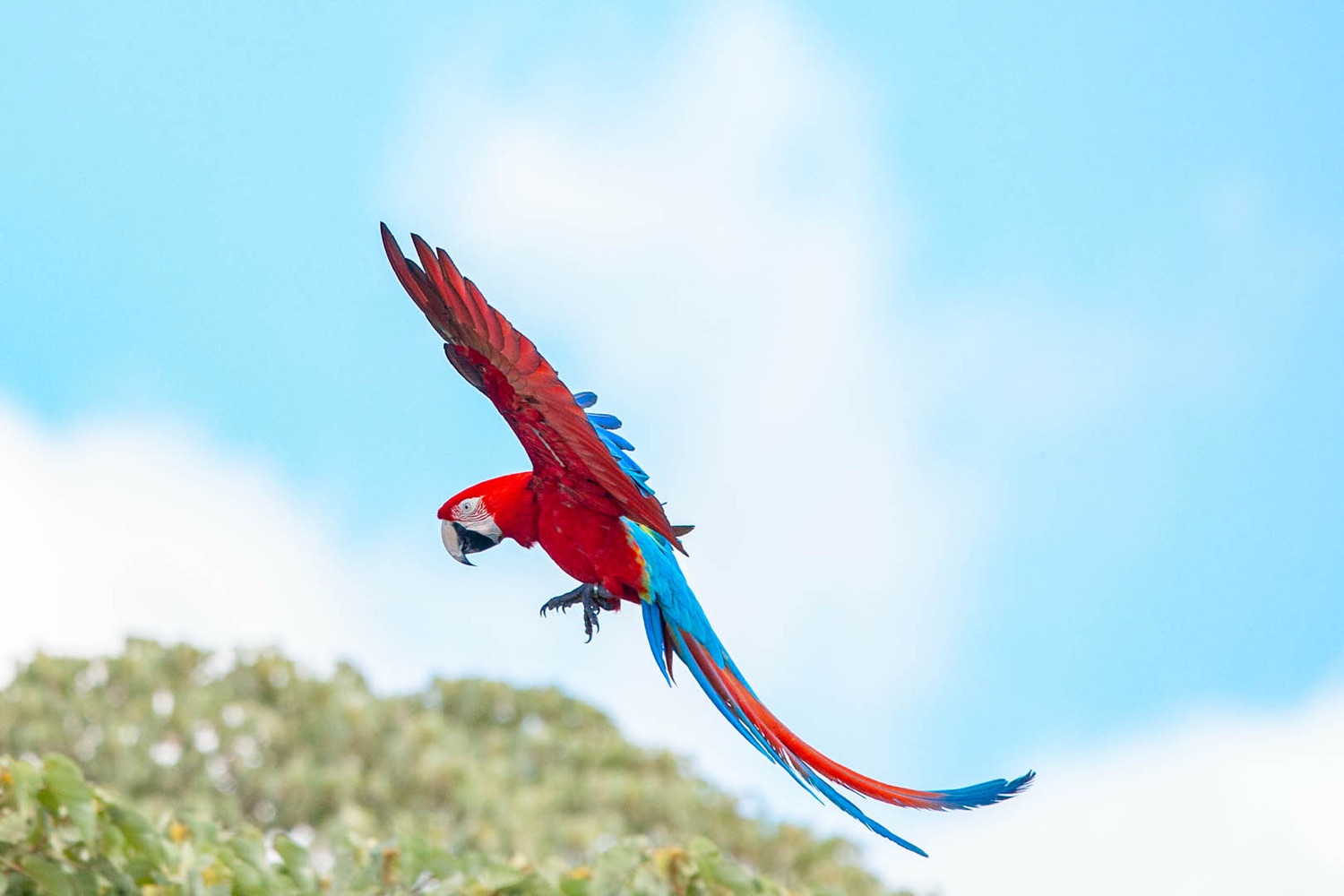
The only place in Argentina where the red-and-green macaw lives in the wild. The Don Luis reserve, 29 km from Villa Olivari, hosts the reintroduced colony. The landscape differs from the rest of the system: gallery Paranaense forest, bamboo and dense woodland. Access is natural for anyone travelling the Litoral corridor along RN 12.
Portal San Antonio (Loreto)
The most logistically organised portal after Pellegrini, with the Complejo Turístico Aventura Iberá (a canteen for 100 to 150 people, camping, an interpretation centre) and the Jopará association of local guides. Its speciality is high-level birdwatching, with the Strange-tailed Tyrant, the Saffron-cowled Blackbird and other threatened birds. The astrotourism area over the Estero Bola has almost no light pollution.
Portal Galarza
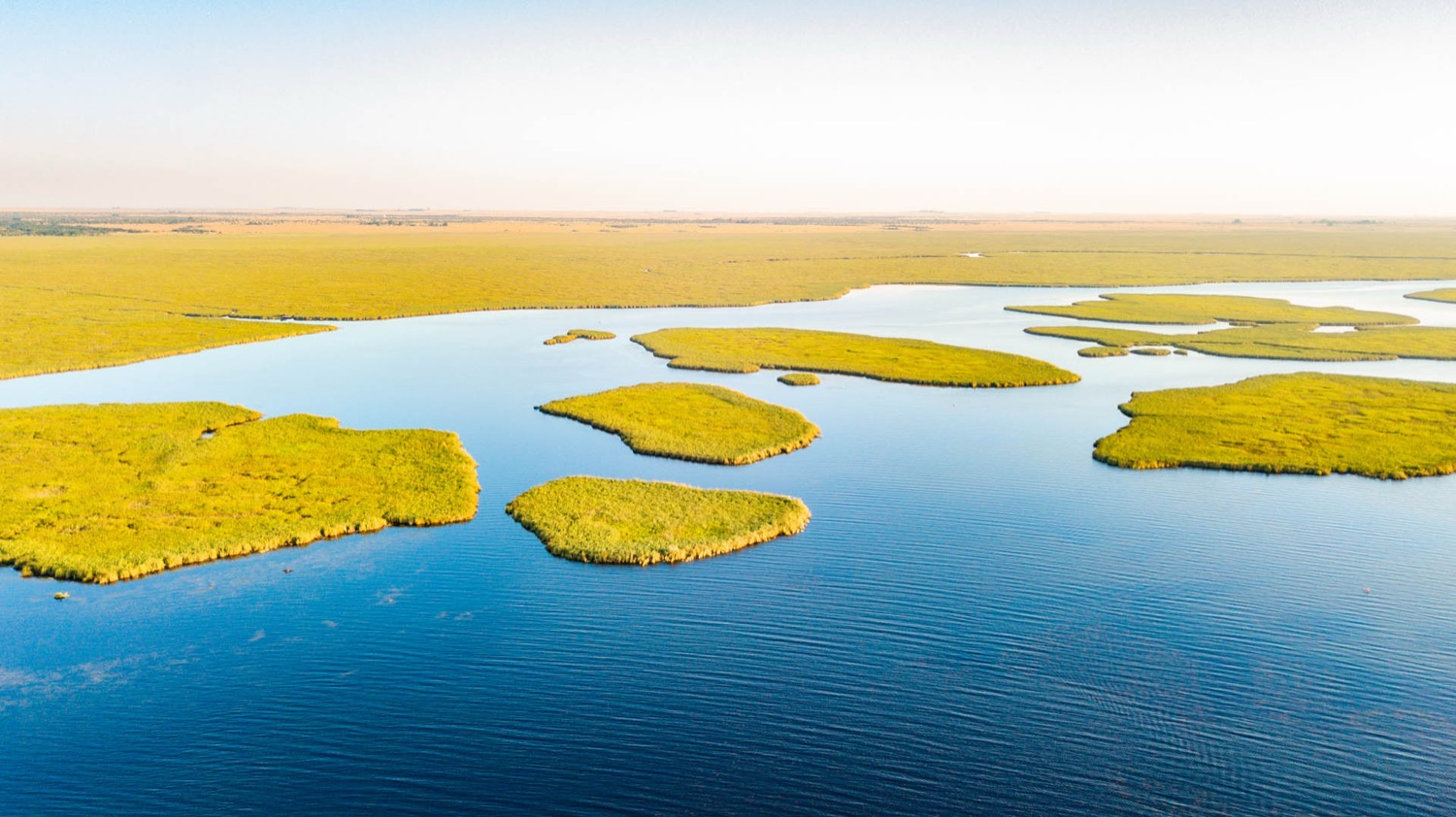
Laguna Luna, the largest in the Iberá system, is toured by boat from this portal. An eastern portal, reachable from Posadas (120 km) and Ituzaingó (100 km) along RP 41. Starlight-certified sky. The portal's guides speak Spanish, English and Portuguese, which makes it especially accessible for international visitors.
Portal San Nicolás (San Miguel)
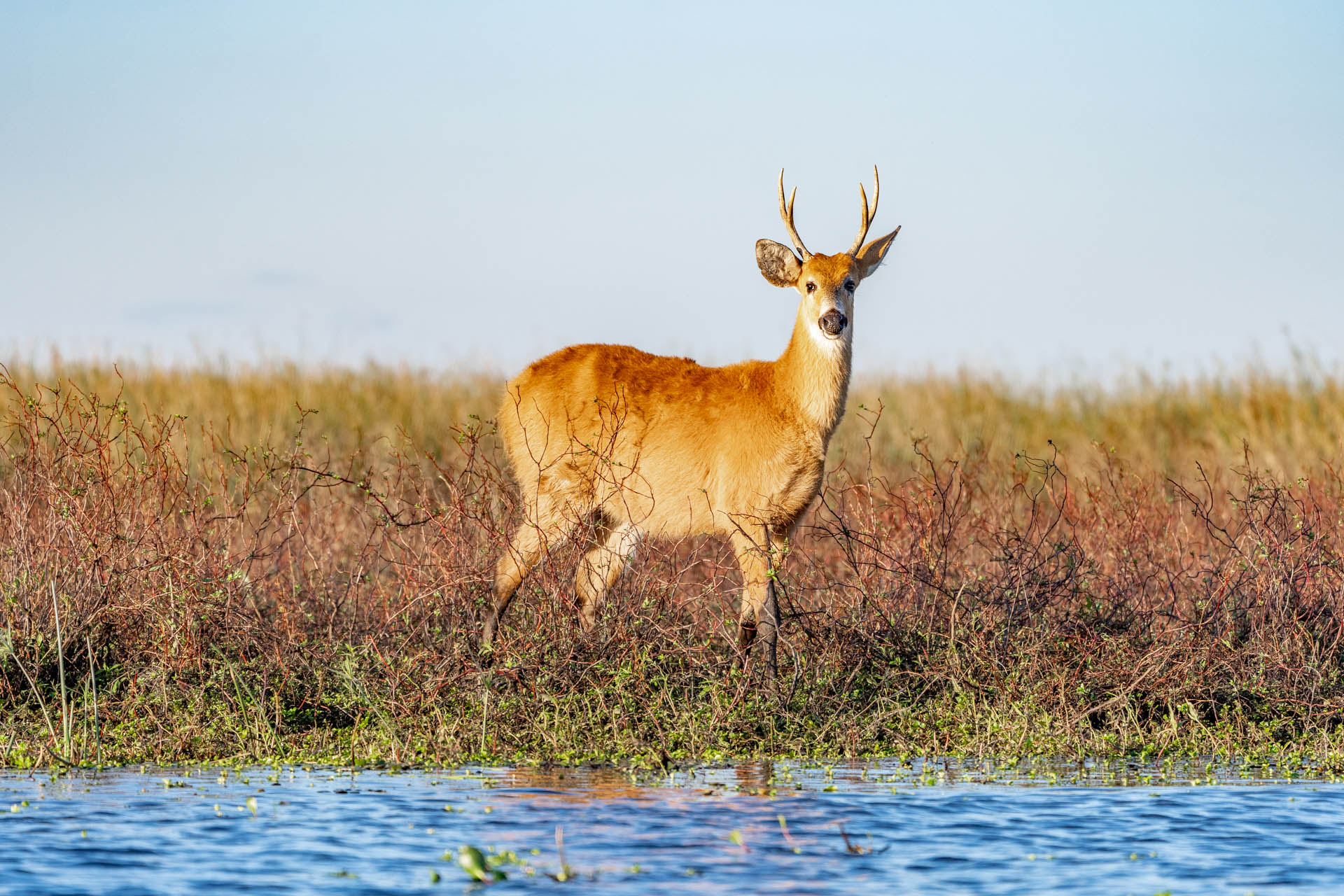
One of the newest and least visited portals. The lagoons are pristine, the pole-driven canoe is the predominant transport and the experience is among the quietest and most intimate in the system. The density of marsh deer is exceptionally high. The Strange-tailed Tyrant, a threatened bird, has one of its last safe strongholds in Argentina here.
Portal Uguay
The purest case of community tourism in the Iberá. Around twenty families from the hamlet guide, host and make crafts for visitors. Posada Uguay, with its own canoe on Laguna Fernández, is small (10 people maximum) and requires booking ahead. It combines well with Portal Laguna Iberá, 32 km away along RP 40.
Portal Capivari
One of the ends of the Cruce de los Esteros, the multi-day kayak crossing that cuts through the heart of the Iberá between the southern portals (route, direction and length are agreed with the operator). For those not doing the Cruce, the portal offers sailing on Laguna Trin. It has no service infrastructure of its own: all the logistics have to be arranged with specialised guides before arriving.
Portal Río Corriente (Chavarría)
One of only two portals where catch-and-release sport fishing is allowed. The source of the Corriente river, where the wetland pours out its waters, is a double ecosystem: marsh and active river on the same route. A historical Belgrano-era circuit complements the nature on offer.
Mburucuyá National Park
Technically a national protected area rather than a provincial one, it converges with the Iberá system from the west. Across its more than 17,000 hectares three natural regions coexist: the Chaco, the Espinal and the Paranaense Forest. The Strange-tailed Tyrant has one of its safest refuges here. The town of Mburucuyá is one of the birthplaces of chamamé, declared Intangible Heritage of Humanity by UNESCO in 2020.
How to choose the right portal
The most important decision before planning a trip to the Iberá is not how many days to go, but which portal to enter through. Some criteria to guide the choice:
- First visit, I want the full experience: Portal Laguna Iberá (Carlos Pellegrini).
- Serious birdwatcher: Portal San Antonio (Loreto) or Mburucuyá N.P.
- Extreme adventure, I want the wildest: Portal Carambola or the Cruce de los Esteros from Portal Capivari.
- A community-based, authentic experience: Portal Uguay.
- I am arriving from Brazil or Misiones: Portal Galarza or Portal Cambyretá.
- Wildlife: the red-and-green macaw, unique in Argentina: Portal Cambyretá.
- Astrotourism under a Starlight sky: Portal Carambola or Portal Galarza.
Iberá Experience has an interactive map with every portal, the verified providers of each one and the option to build your whole itinerary from your phone.