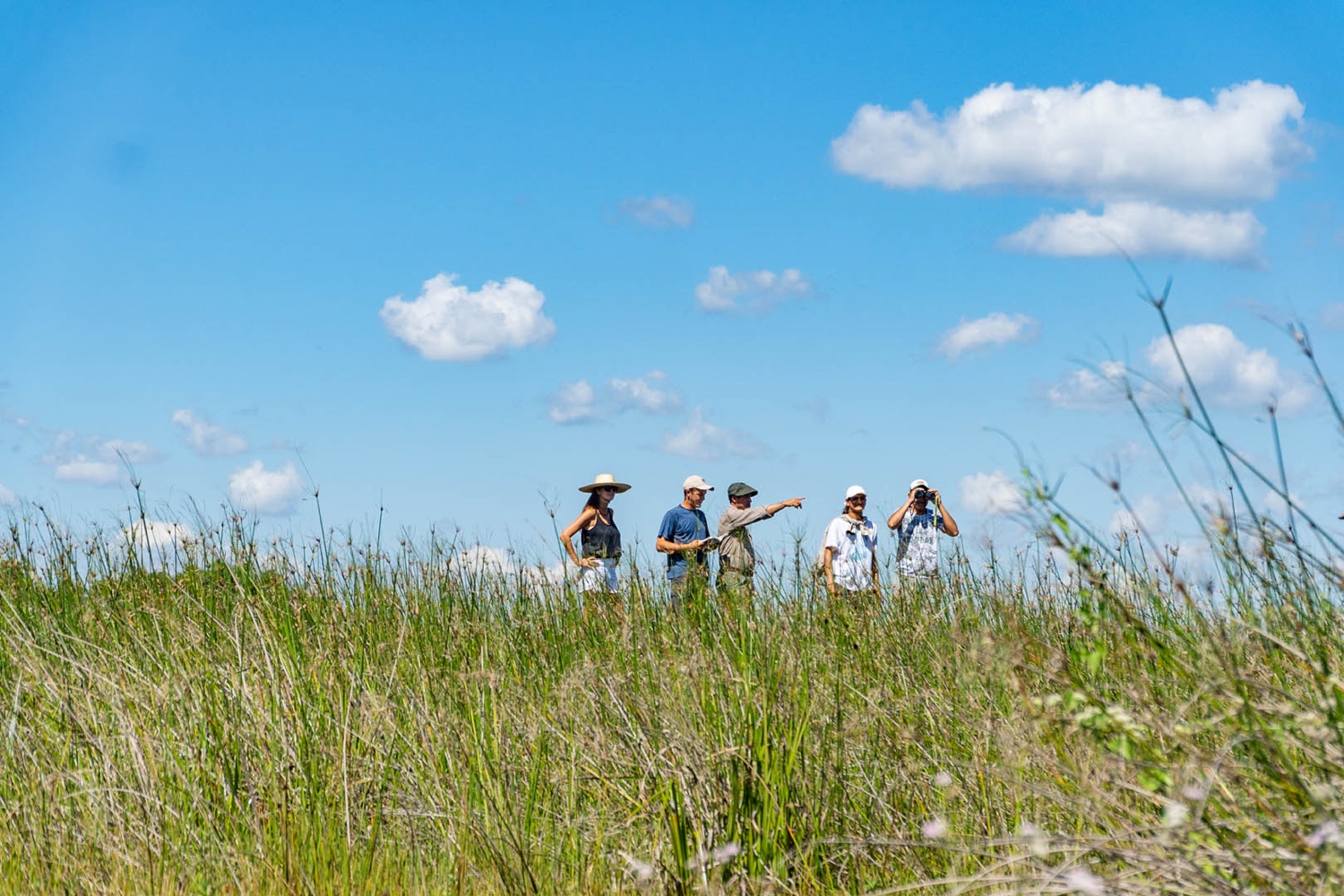
Full spring: pleasant temperatures, birds in display and blooms everywhere. Last month of high season.
Season
The high season of the Iberá is from June to October. Winter (June to August) is a very good time: low water, concentrated wildlife, cool weather and no mosquitoes. Long weekends and July are the peaks of occupancy: book in advance. The low season (January to March) has extreme heat but also very active wildlife at dawn.
Weather
The Iberá has a humid subtropical climate. Average temperature in January: 27°C, in July: 16°C. Absolute highs exceed 40°C in summer. Frosts are possible between June and August. It rains all year round, around 1,400 mm annually. Rain is concentrated between autumn and spring (March, April and October are among the wettest months) and winter is the driest part of the year, with August the driest month.
Mosquitoes
Mosquitoes are most active in summer (December to March) and at dusk. With proper repellent and lightweight long clothing they are not a real problem. In the cold months (May to August) there are practically no mosquitoes. The lodgings in the Iberá always have mosquito nets.
Only at this time of year
They are only around for part of the year, and this month is one of them.
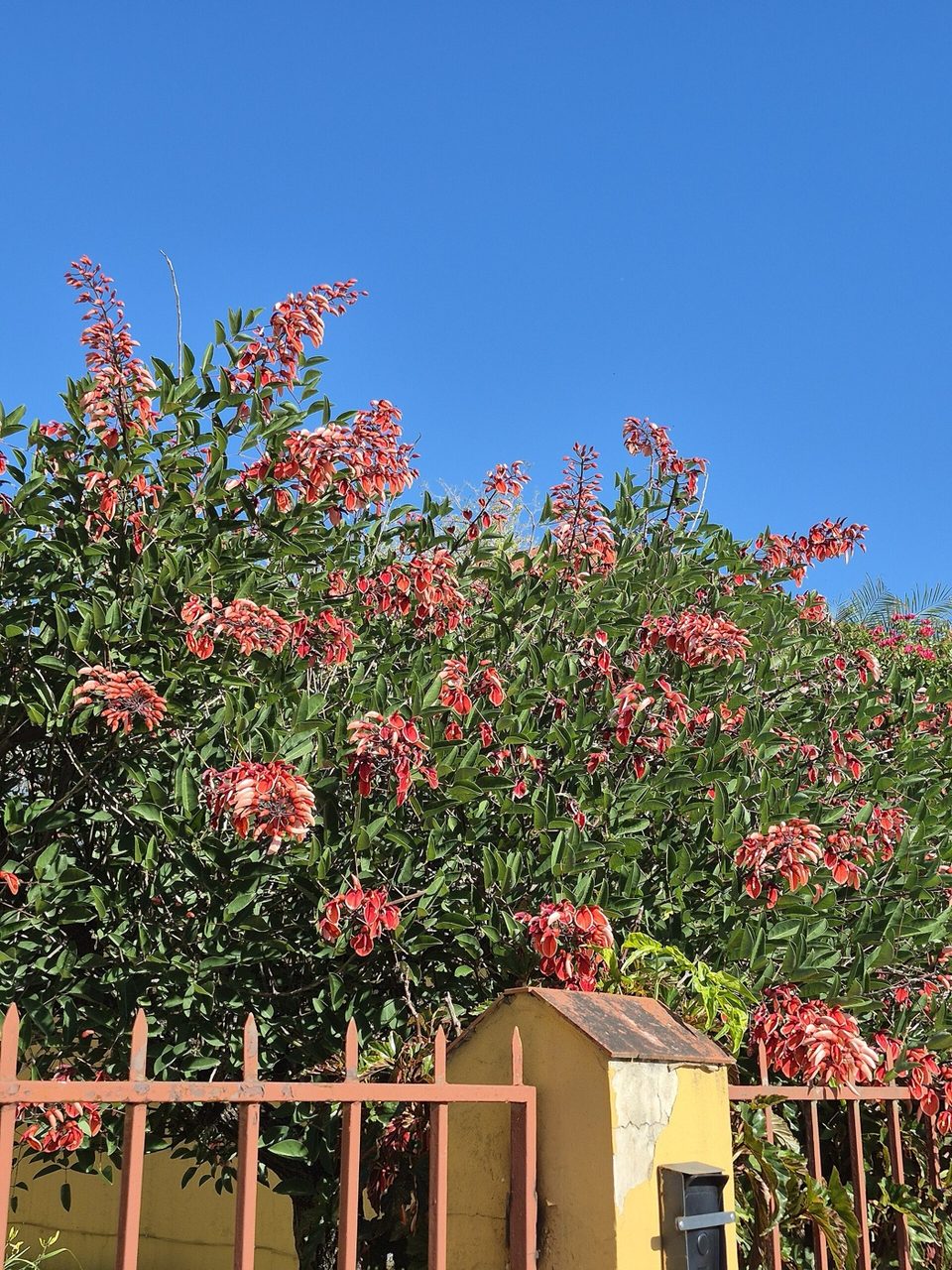
From October to February is the season of splendor.
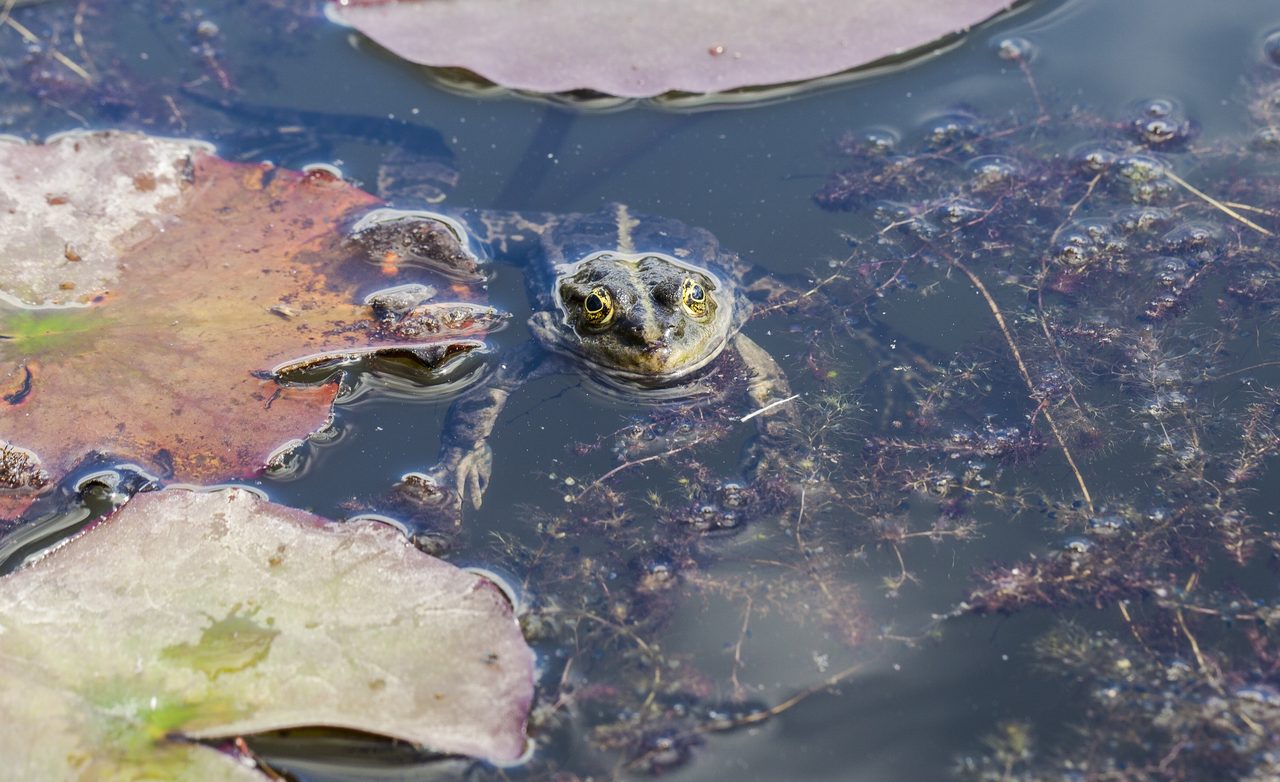
At its maximum splendor during the warm season, from October to March.
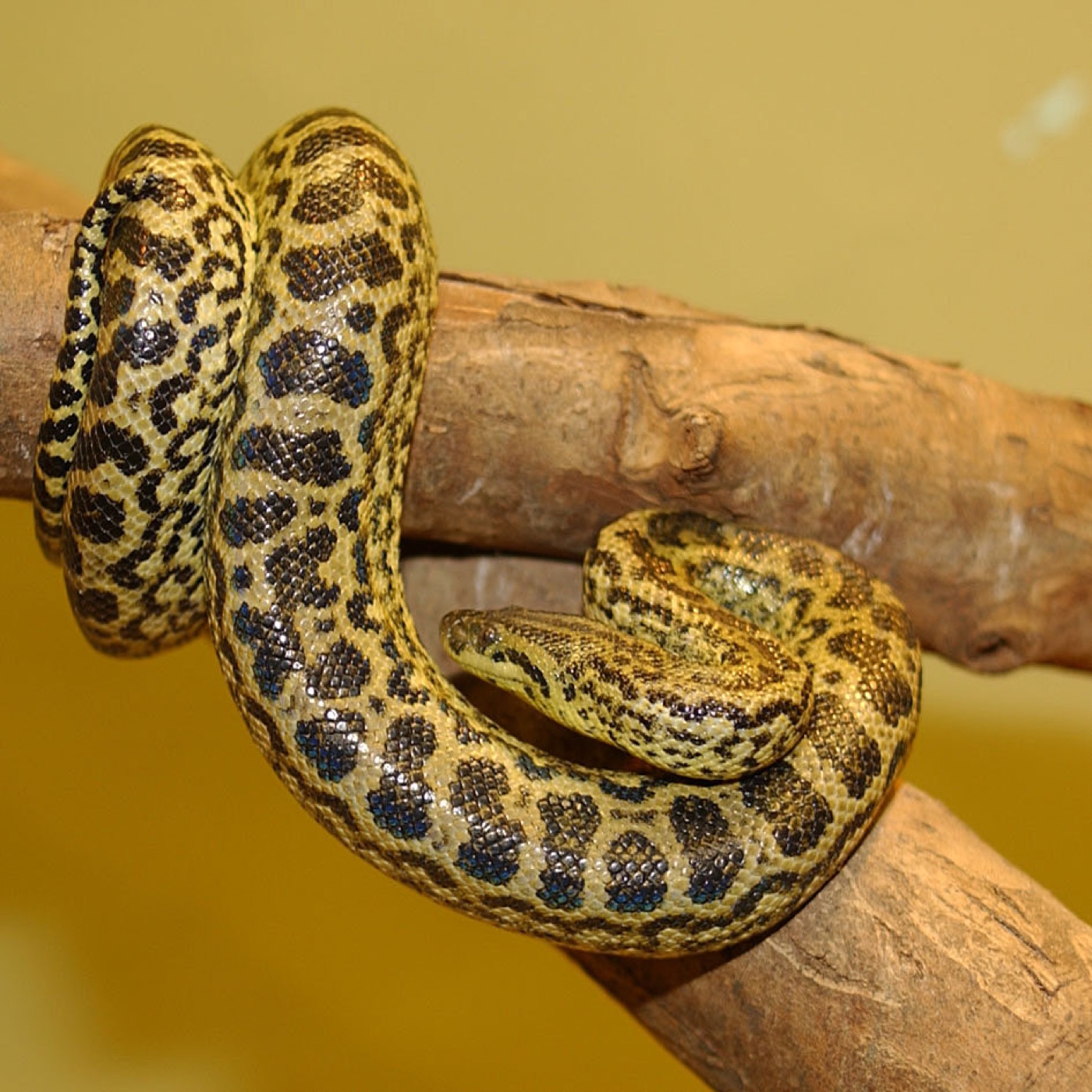
Spring to early autumn (October to April).
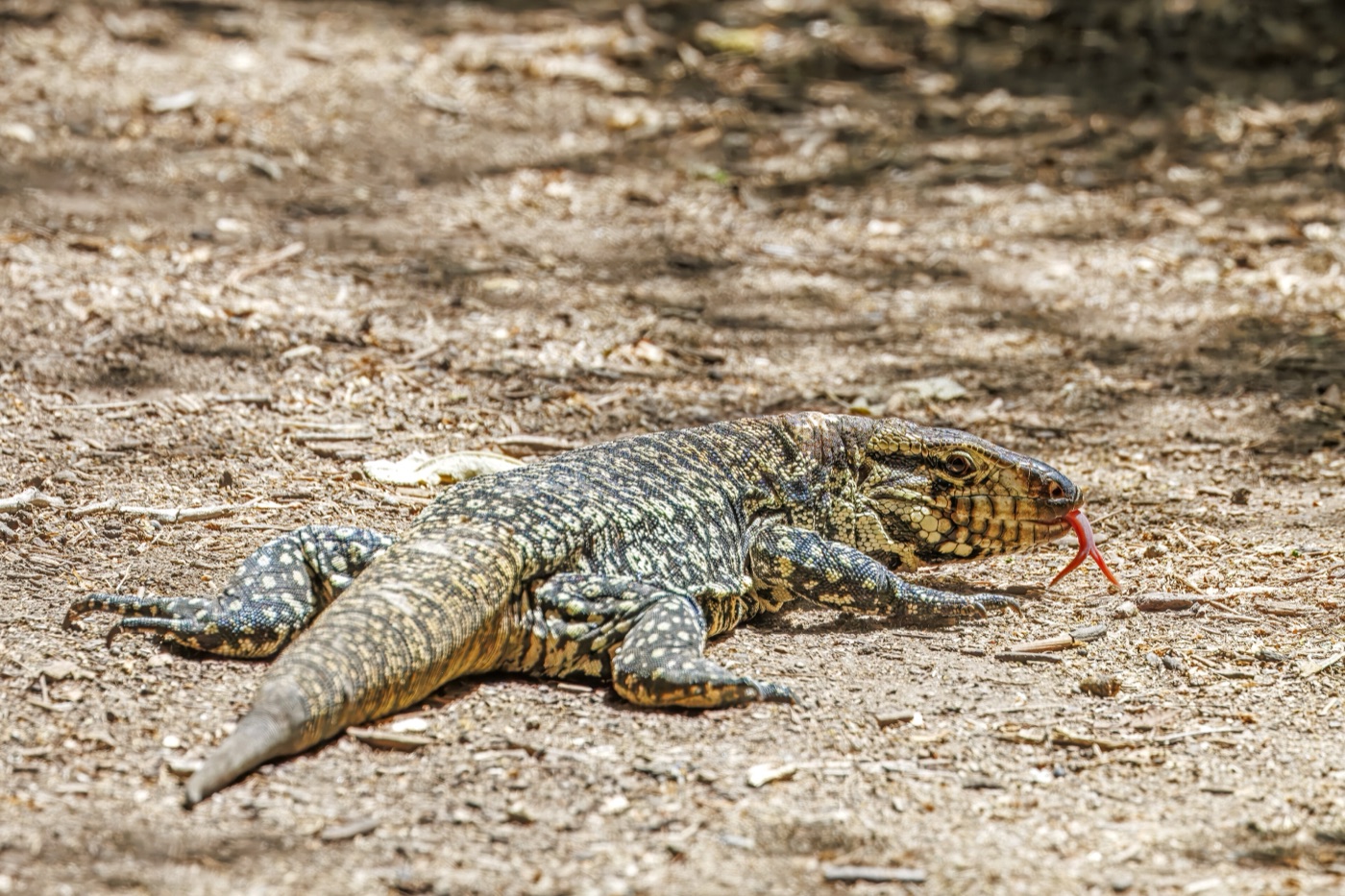
Exclusively from spring to summer (September to April).
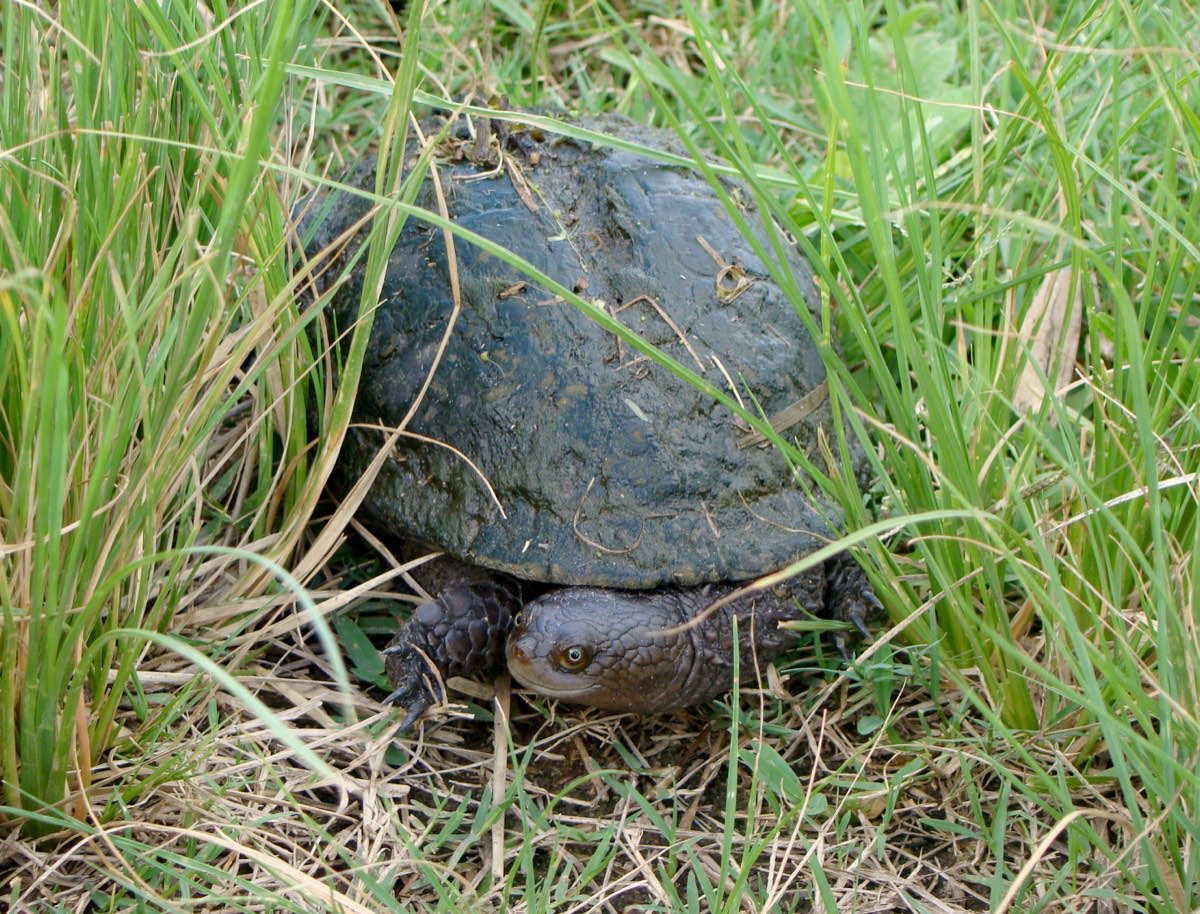
Spring and summer, in shallow marshes.
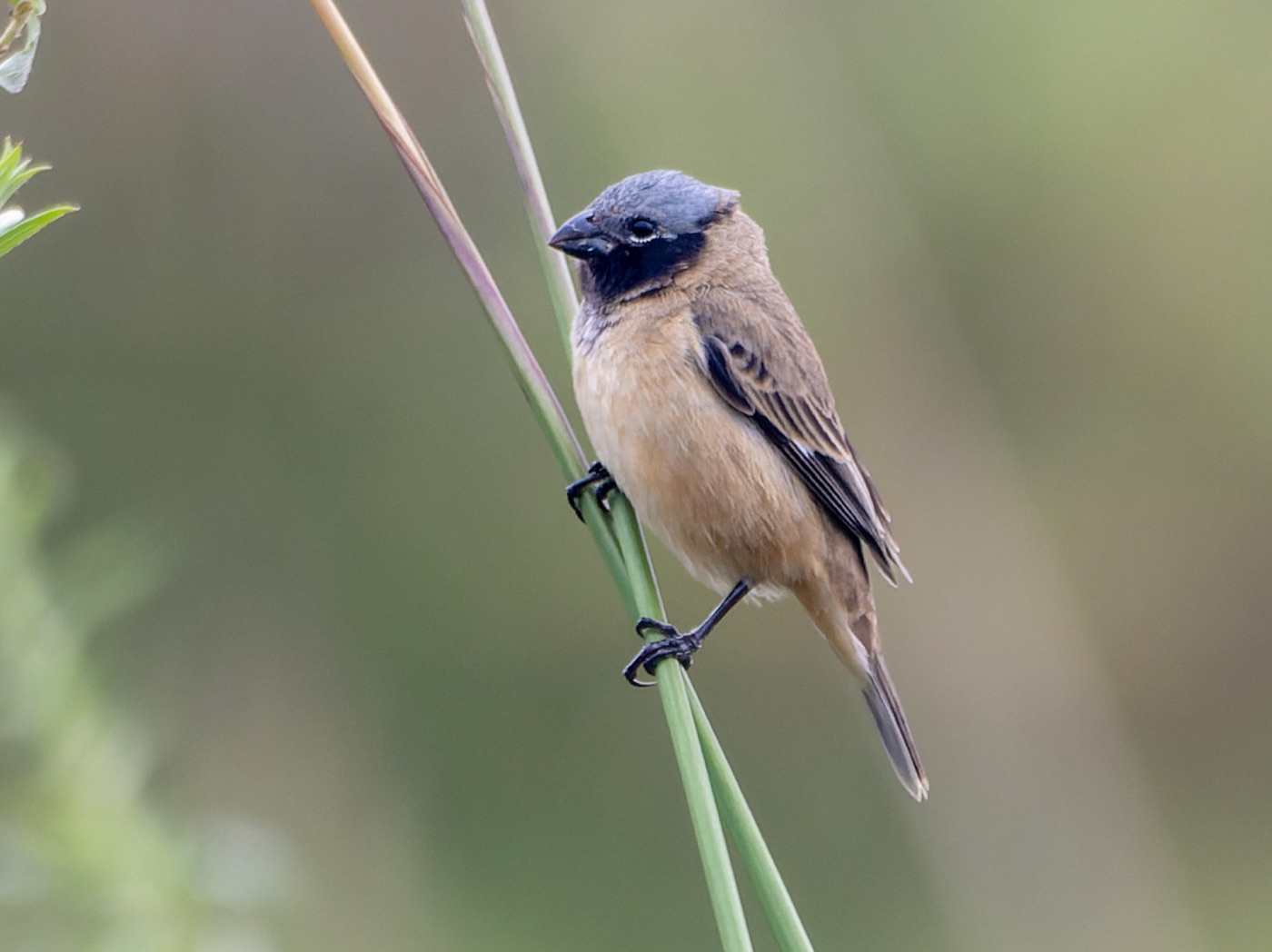
Exclusively spring and summer (October to February).
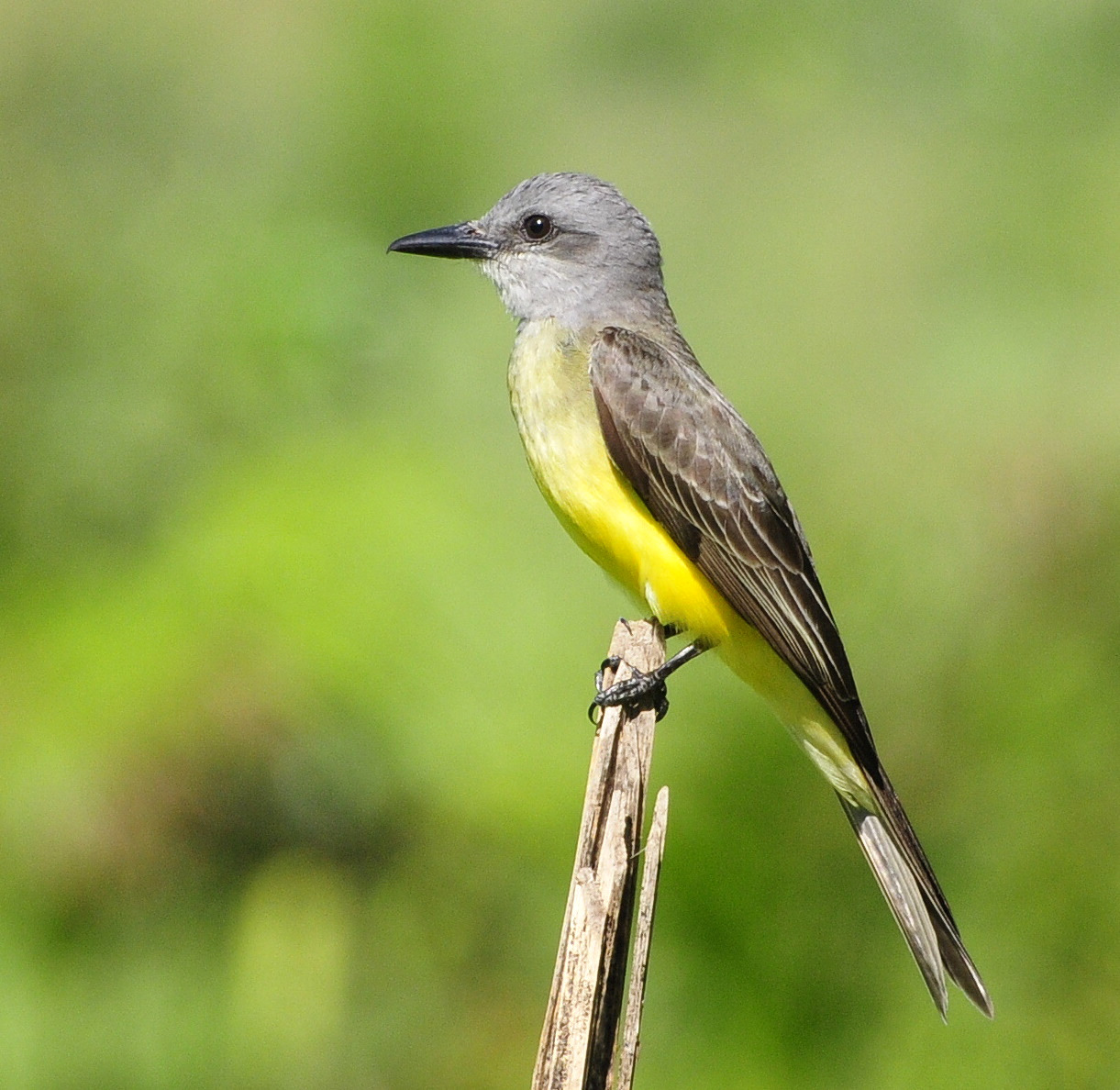
A summer visitor, abundant from October to April.
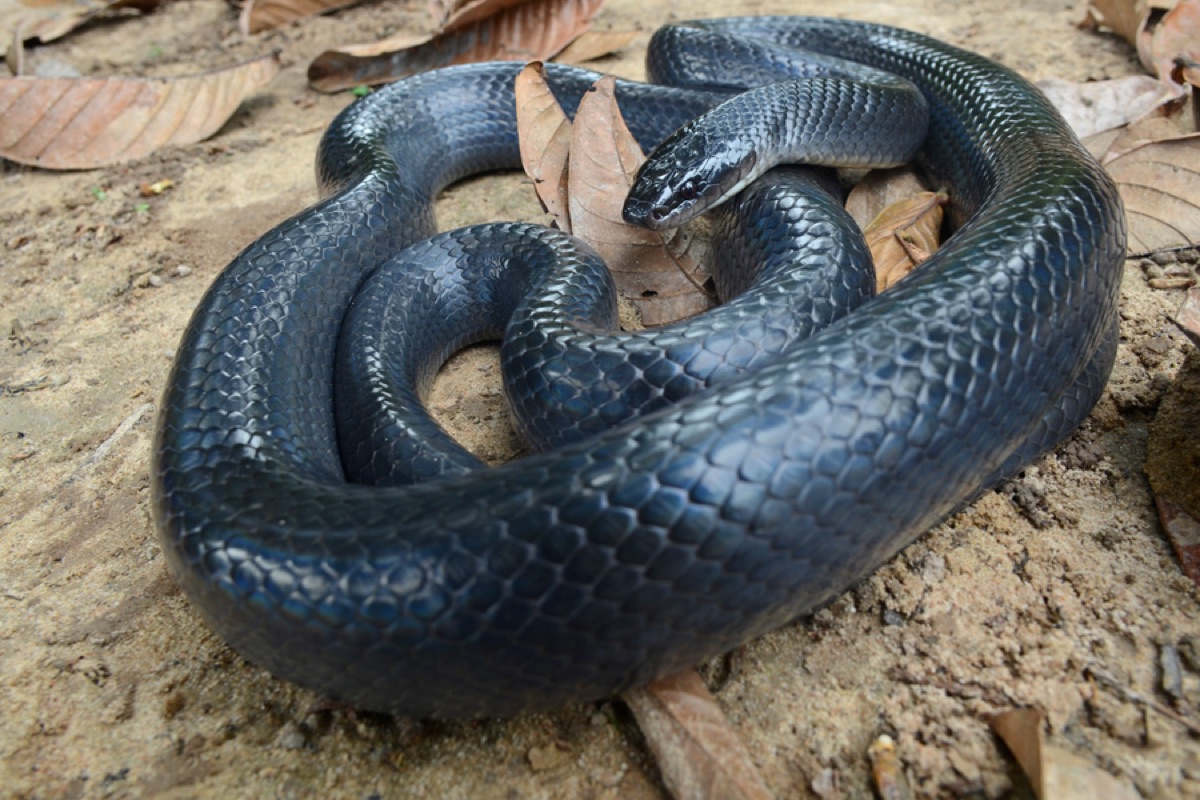
Warm nights in spring and summer.
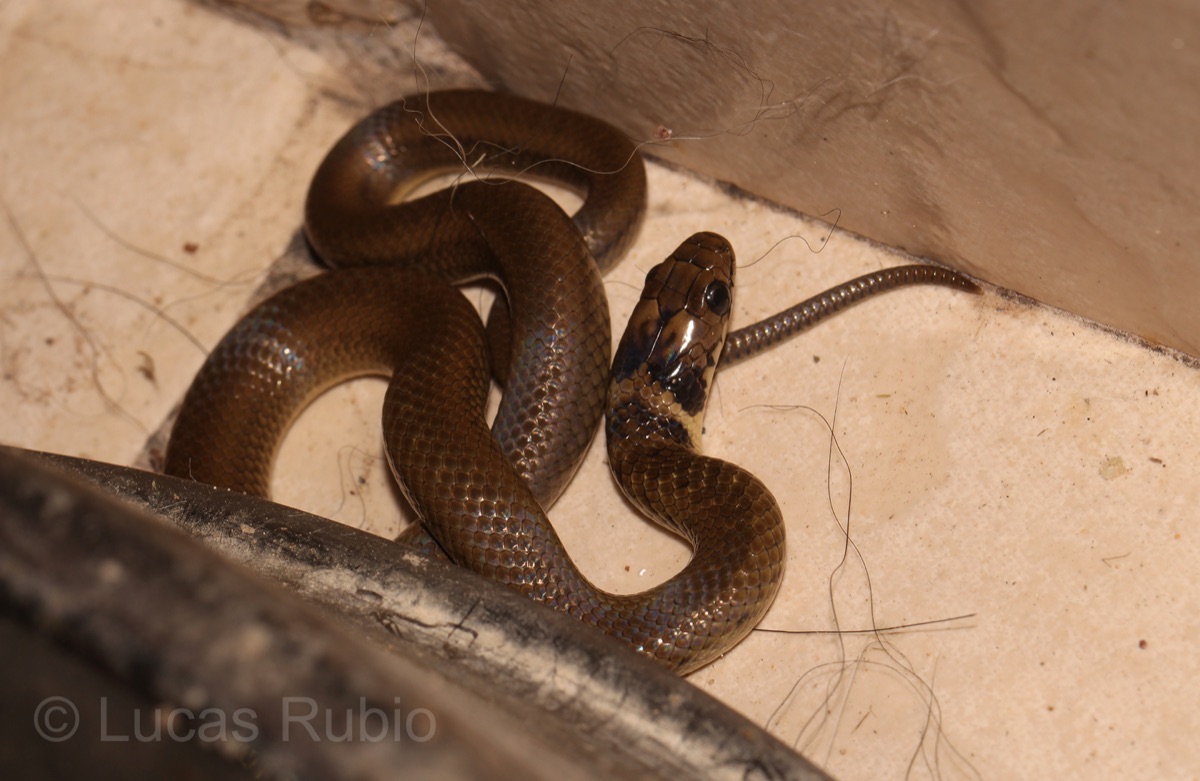
October to April.
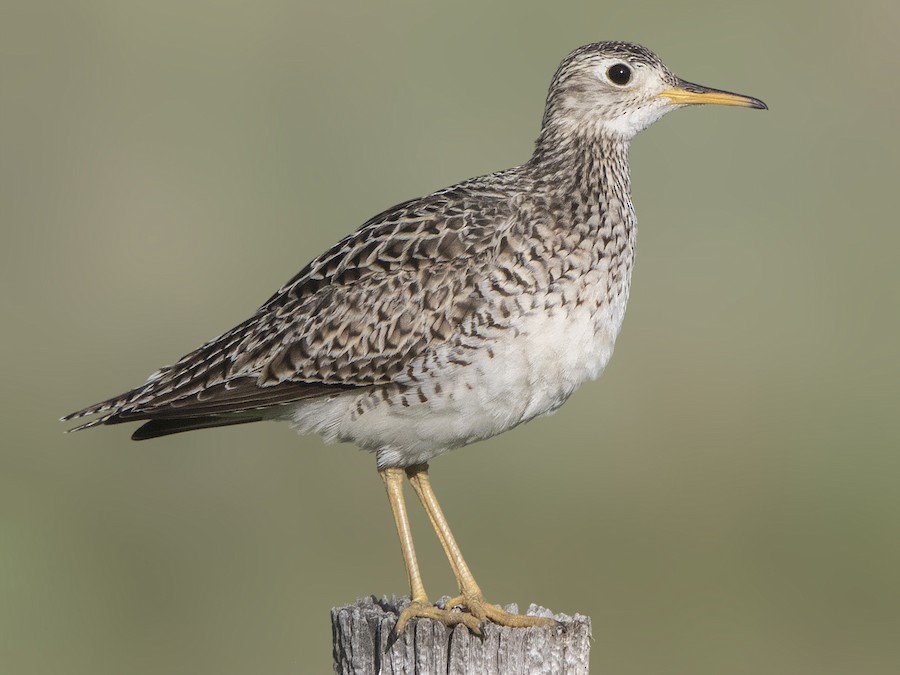
Spring and summer (October to March), its time in the southern hemisphere.
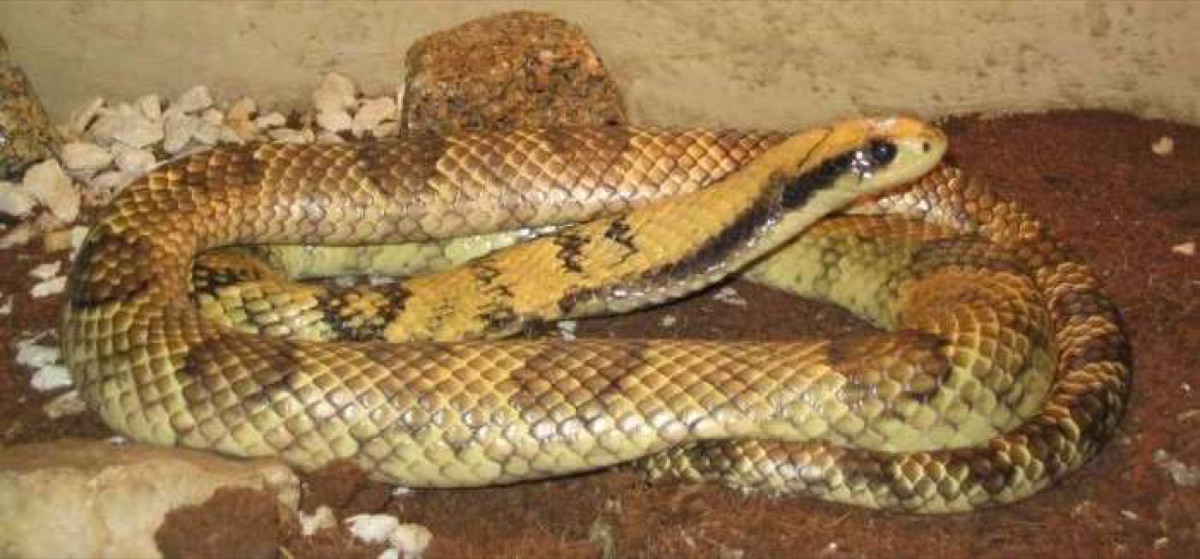
October to April, in the heat.
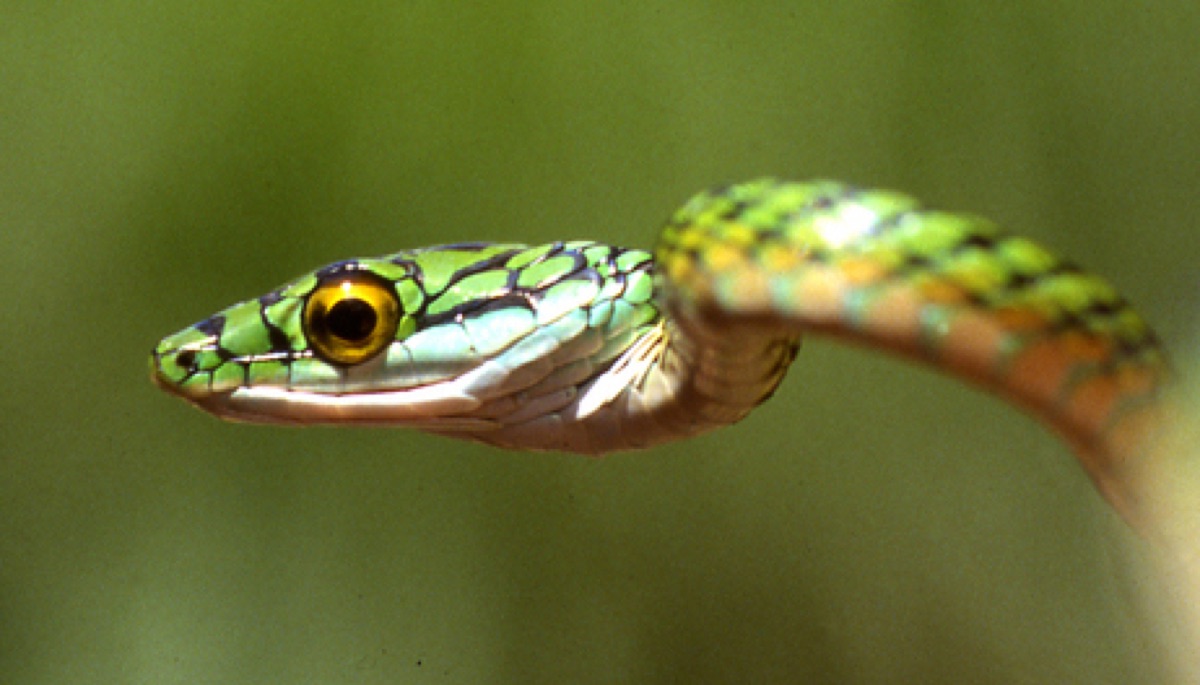
October to April in the forest patches.
In bloom
Species in bloom during this month.
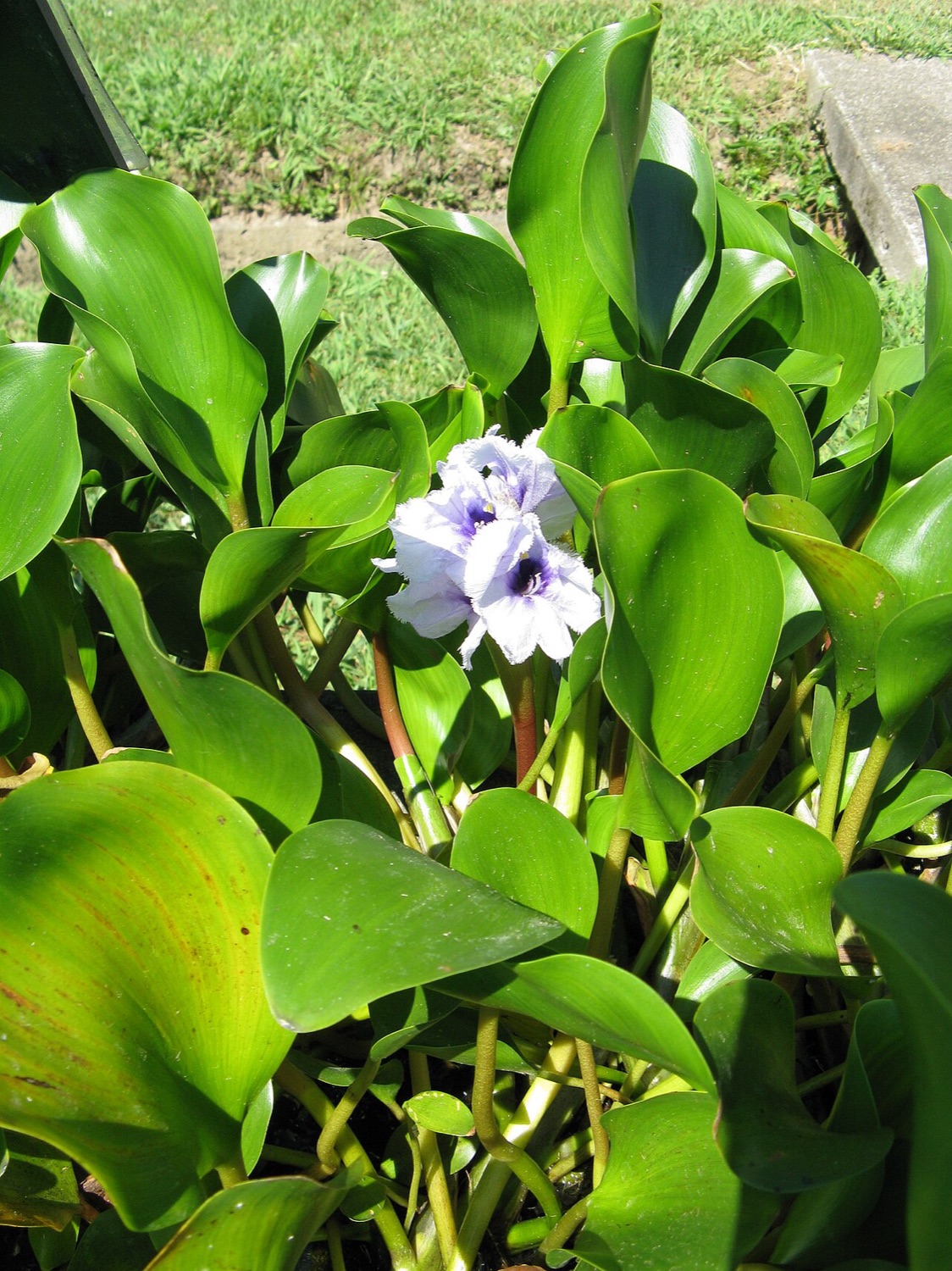
Its most explosive and intense flowering period occurs between the months of October and March.
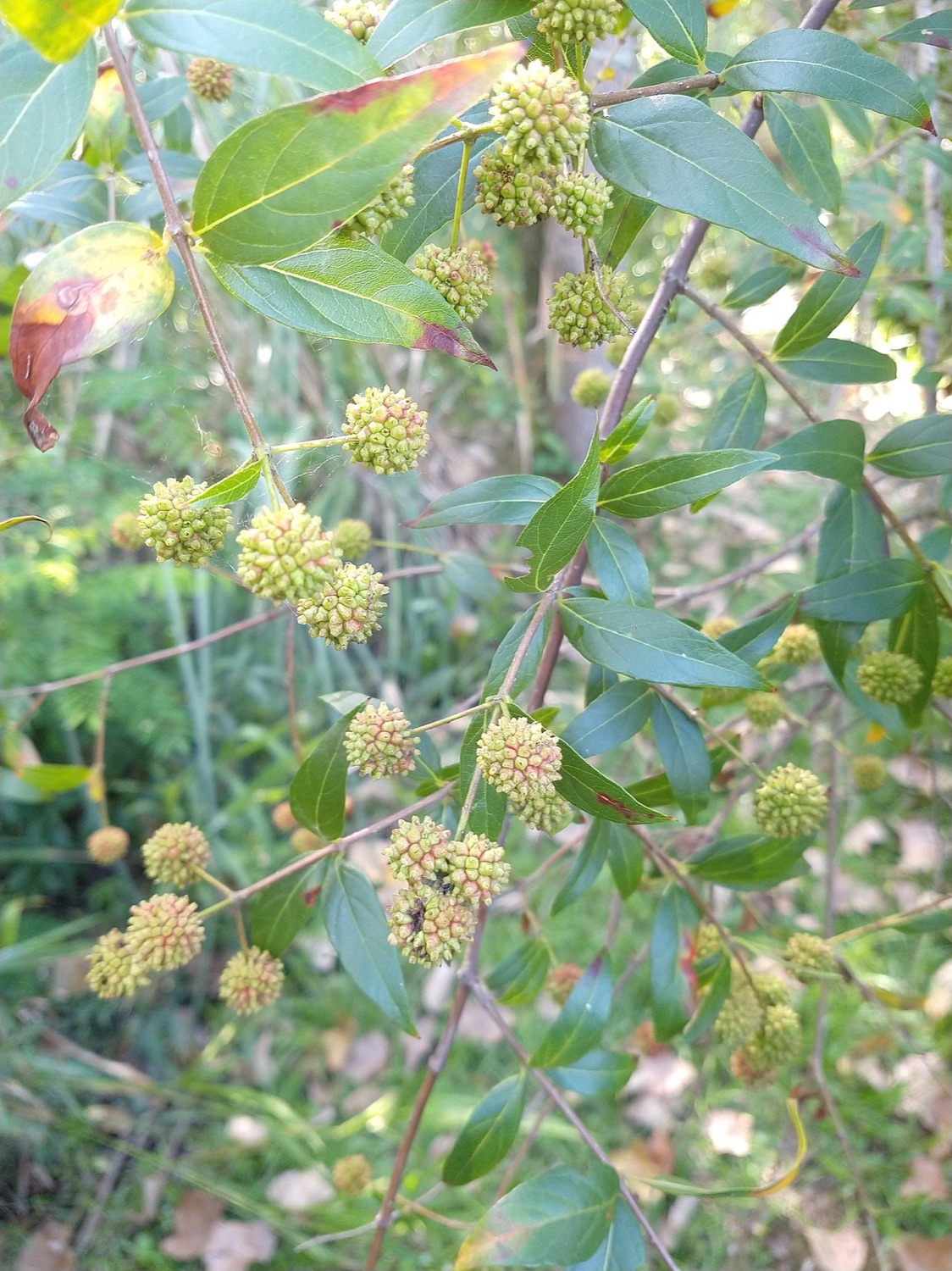
Spectacular from September to December, when it flowers with hundreds of white pompoms that literally protrude from the water.
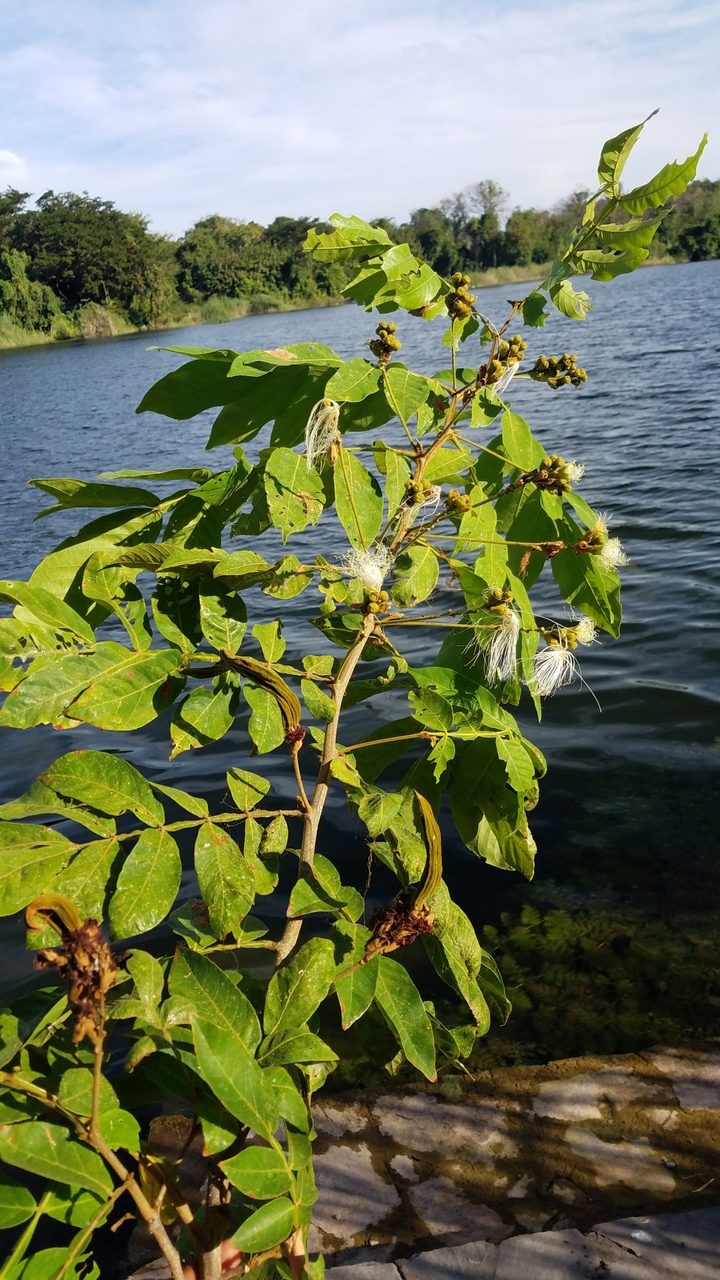
Flowering from September to November, the moment when the aroma of its pompoms permeates the trail in the darkness.
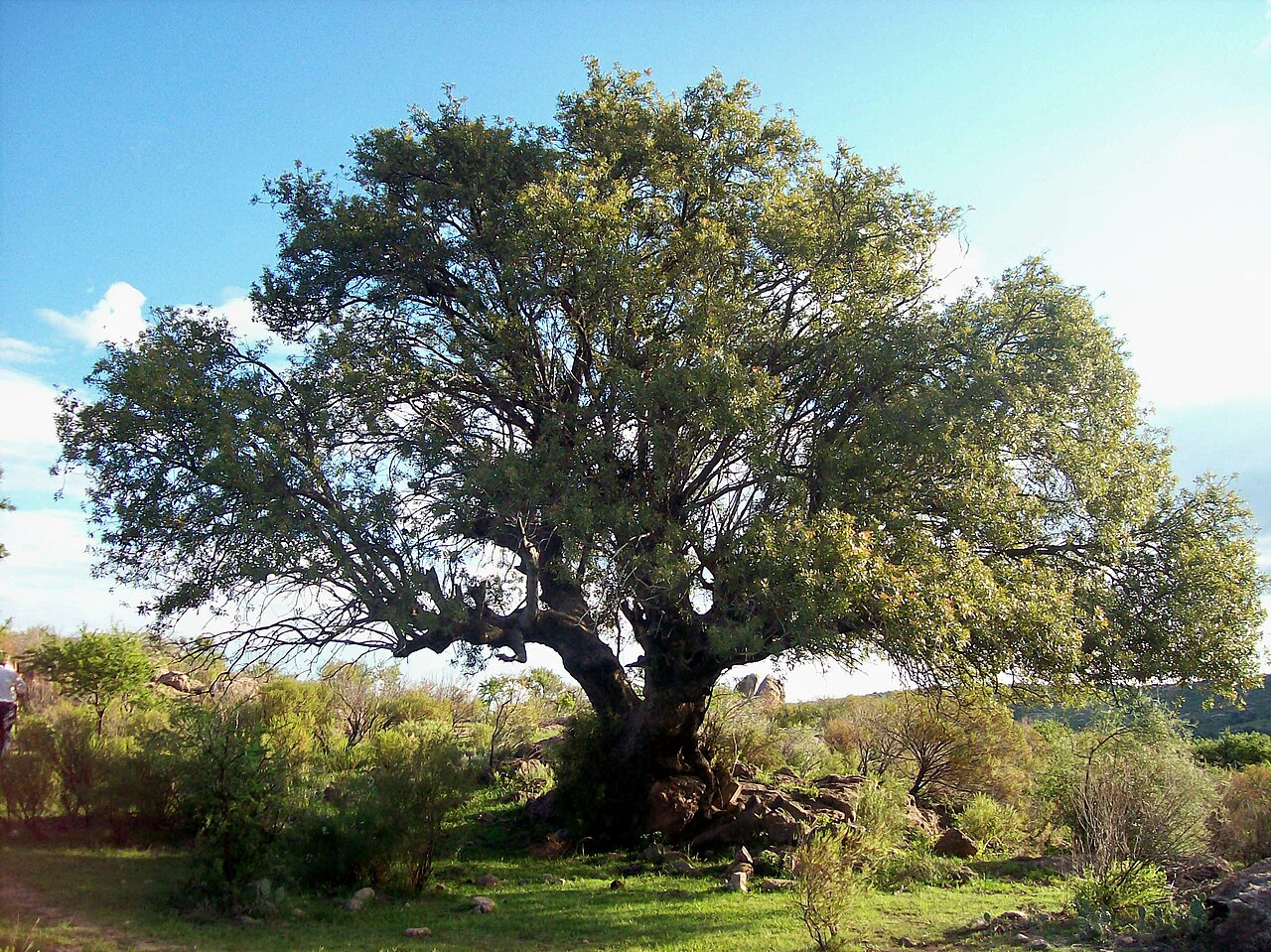
The scented spring flowering and the multicoloured summer fruit are its showiest moments, but the tree can be identified at any time of year by its rough dark bark and the scent of its leaves when crushed.
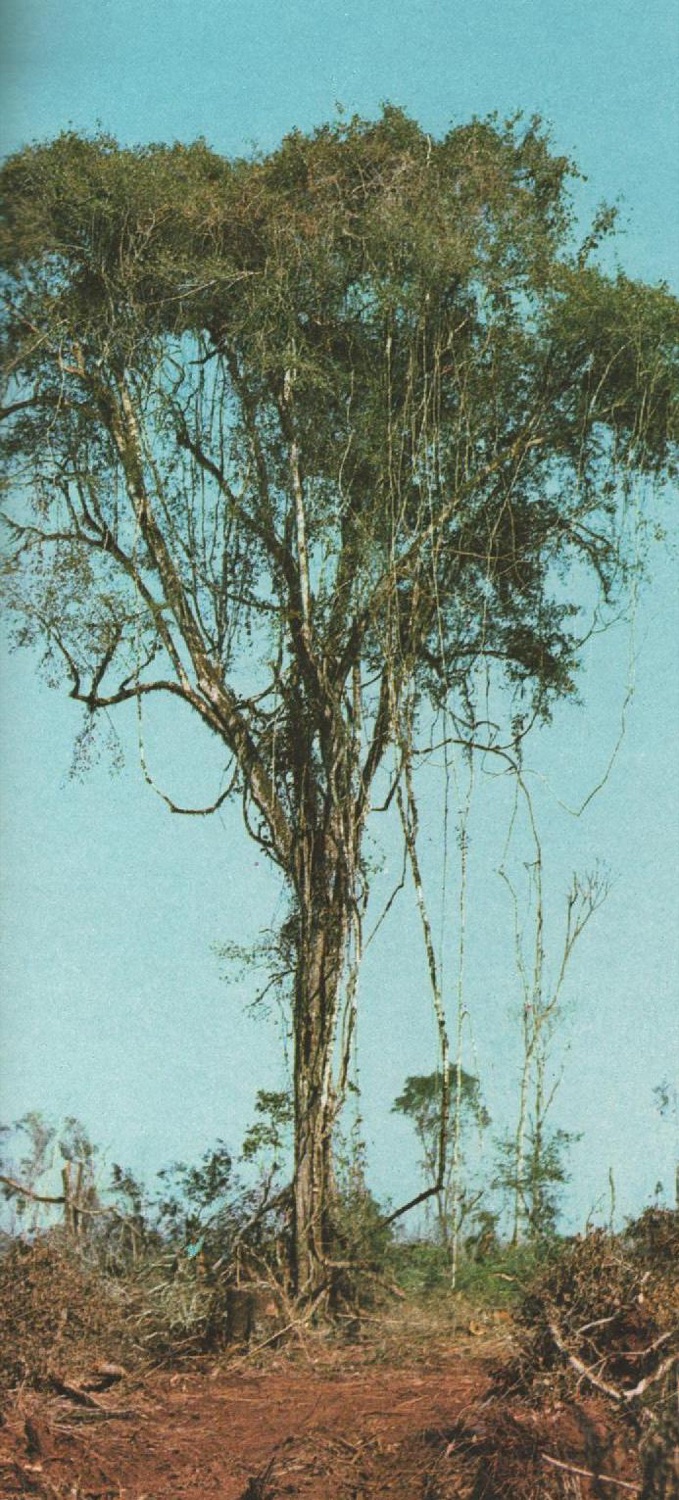
Flowering in spring.
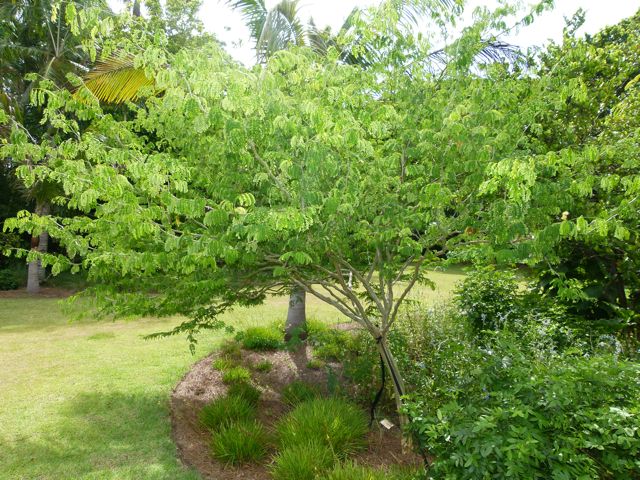
Showy flowering in spring (September to November).
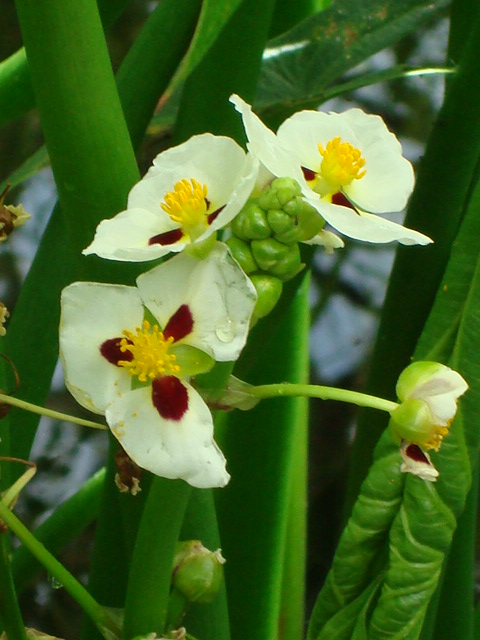
Its striking black-and-white flowering becomes especially abundant and photogenic between the months of September and January.
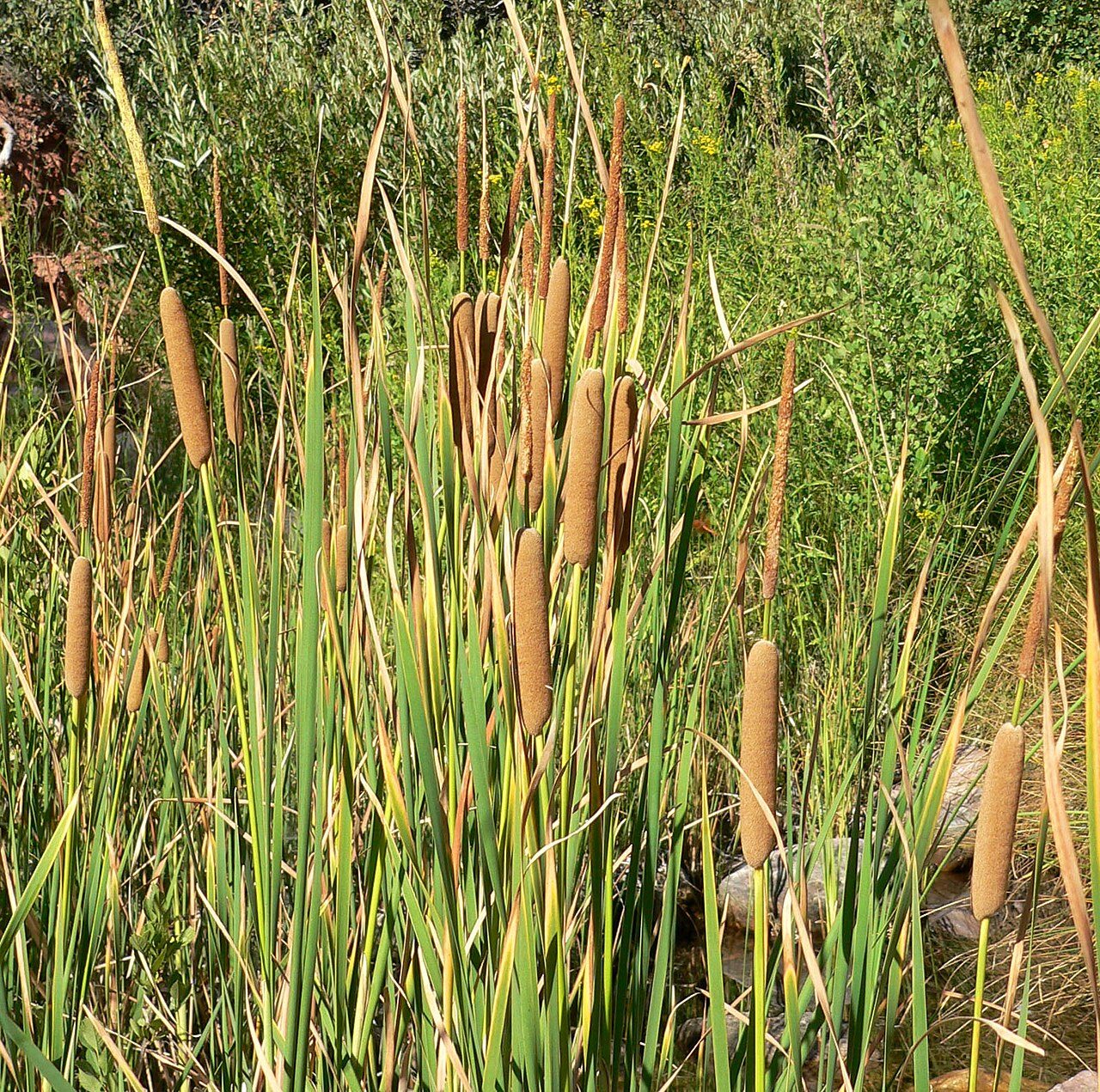
The flowering is concentrated in spring (from September to November).
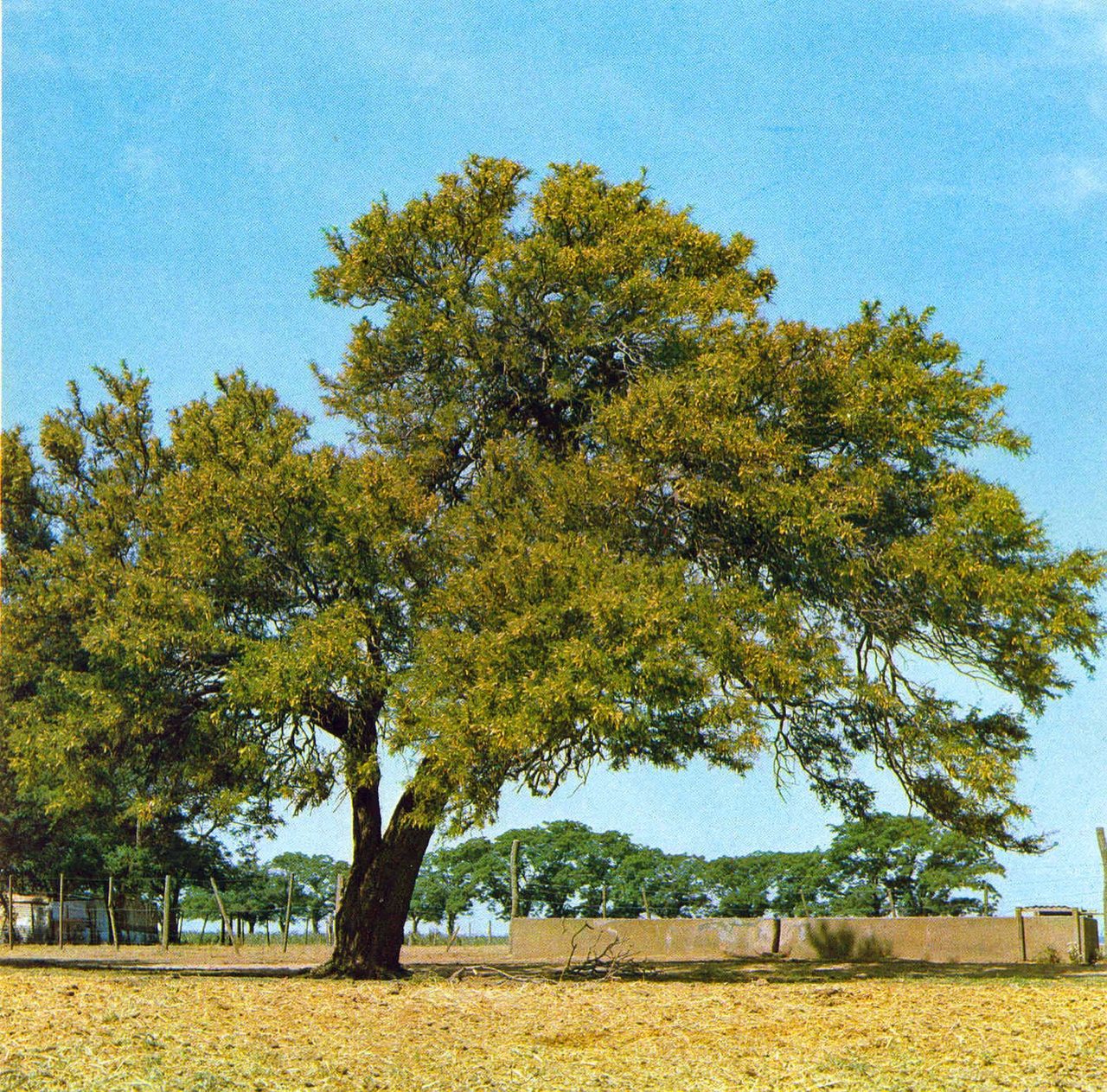
It flowers in mid-spring (October to November) with discreet but perfumed yellowish spikes.
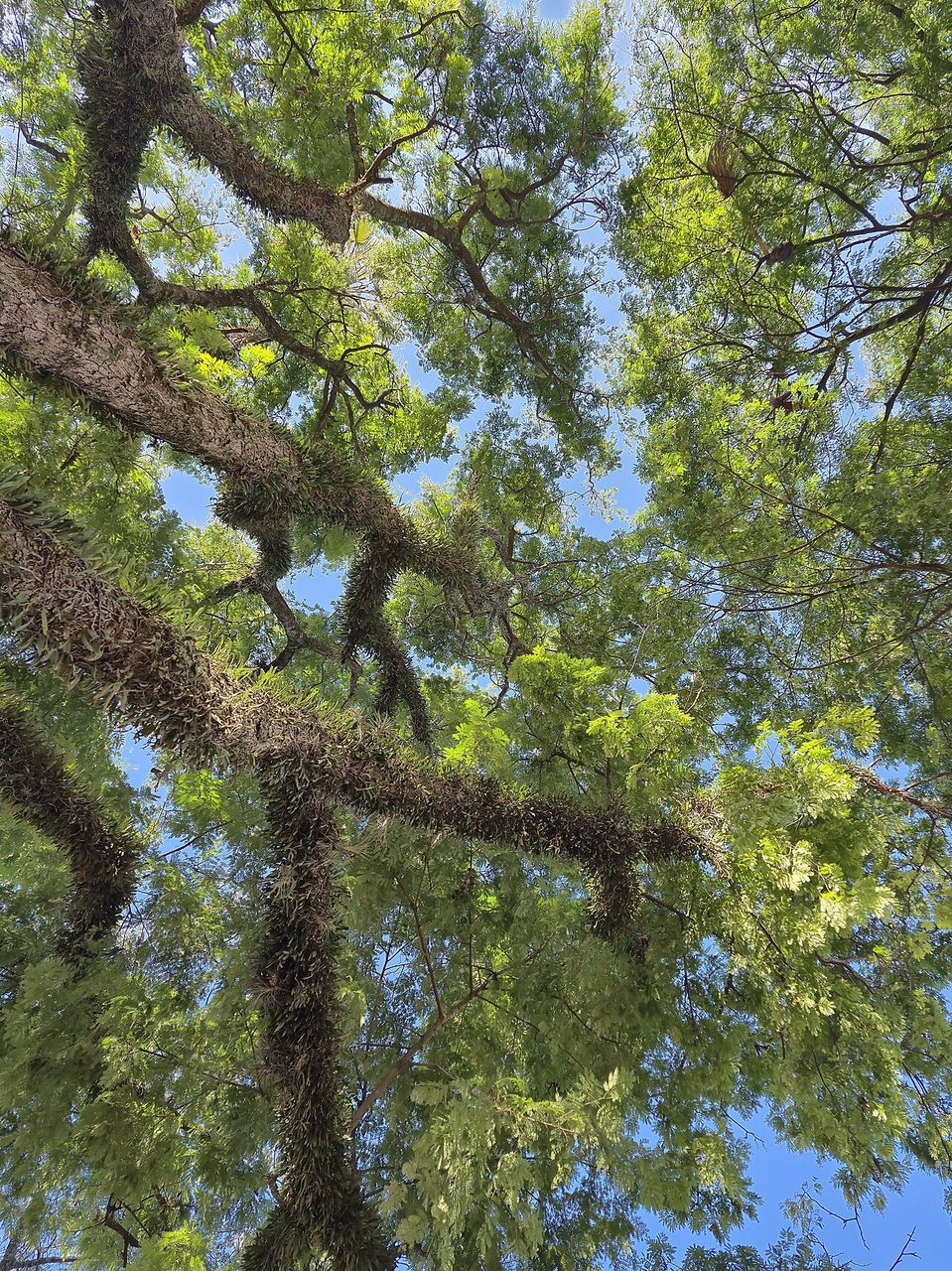
Spectacular in spring (October to November) when it flowers with golden-yellow spikes visible from the boat tens of meters away.
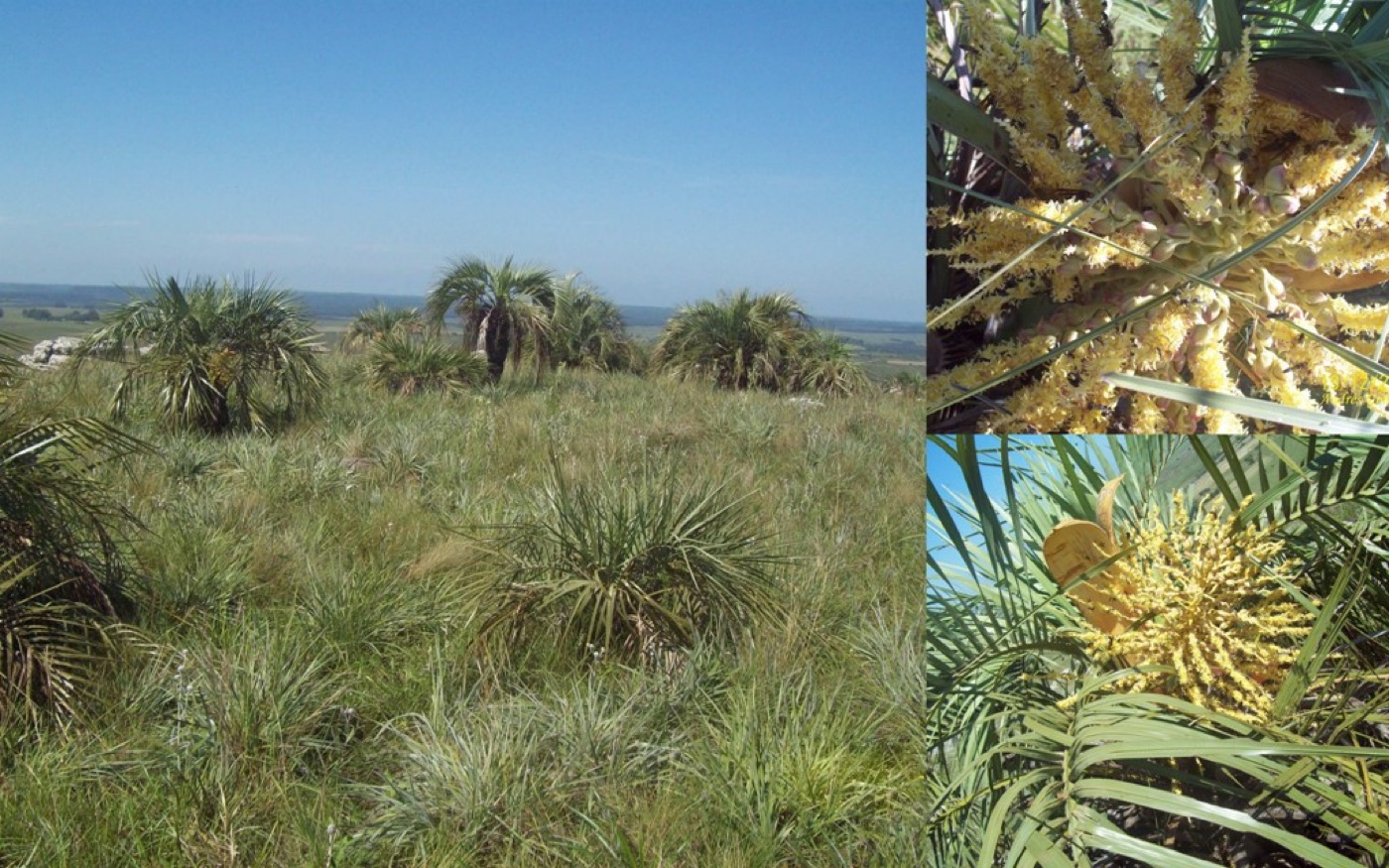
Its period of greatest visibility occurs during spring and summer, when its flowering and subsequent fruiting give it away among the pastures.
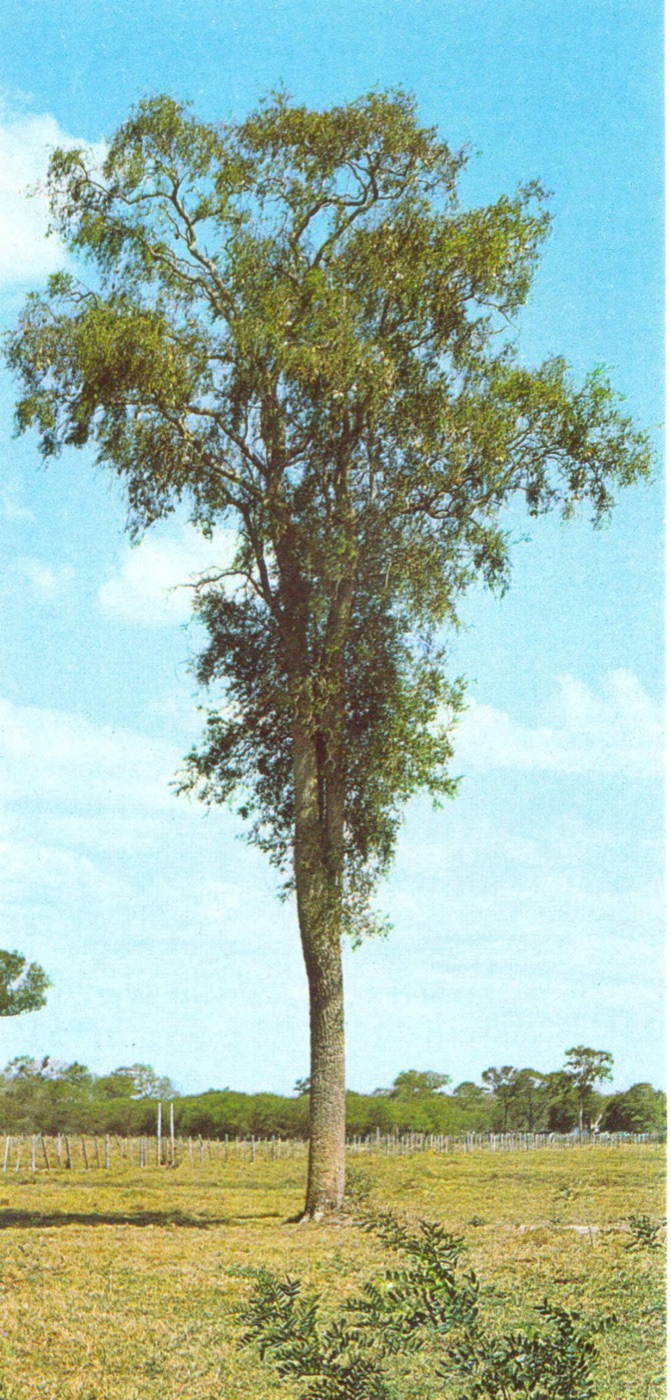
Spectacular flowering from spring to early summer (September to January), with whitish flowers of a sweet, intense perfume that is perceived before seeing the tree.
Breeding
Breeding season: more song, more movement and better chances of seeing them.
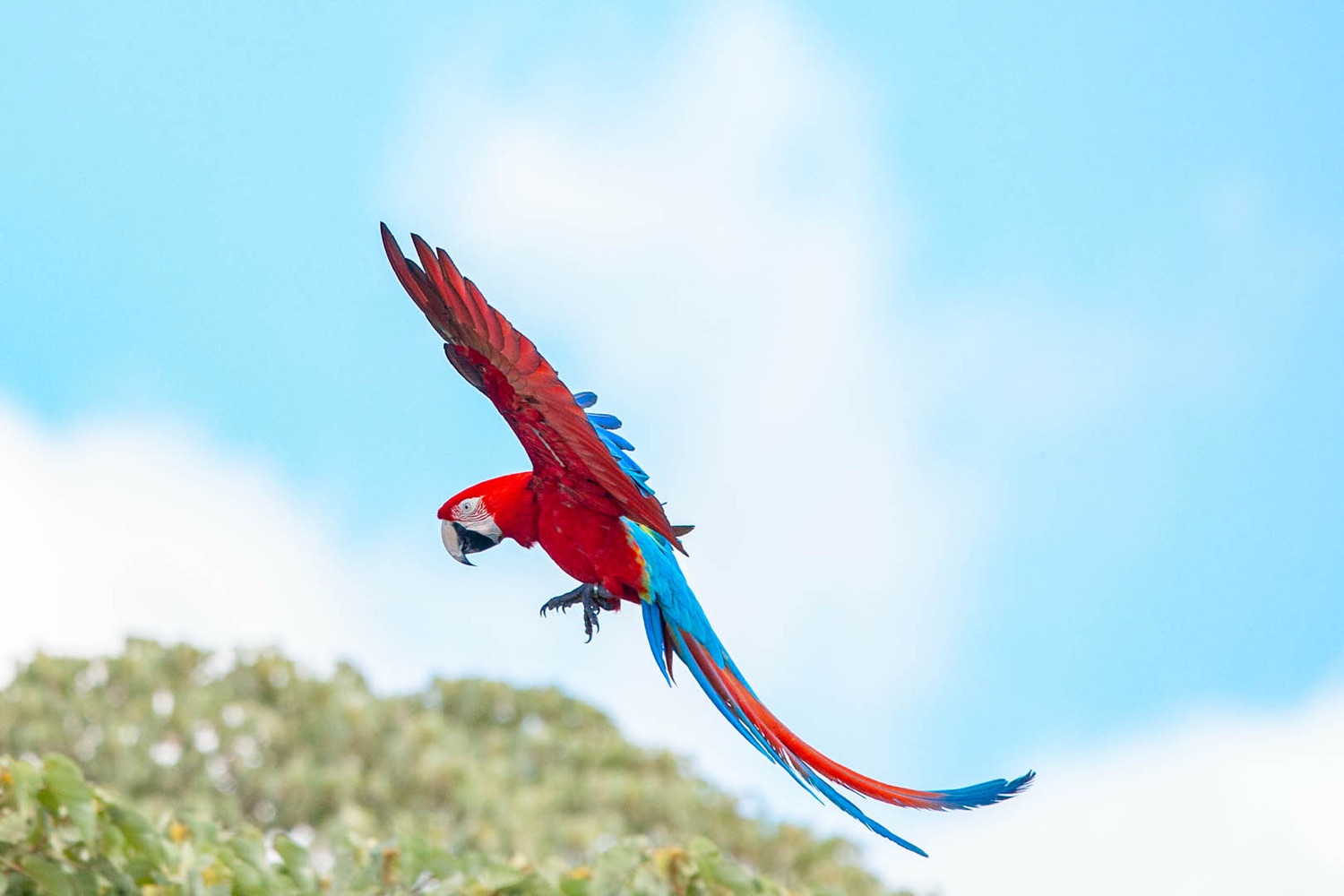
Peak activity in spring and summer during nesting season.
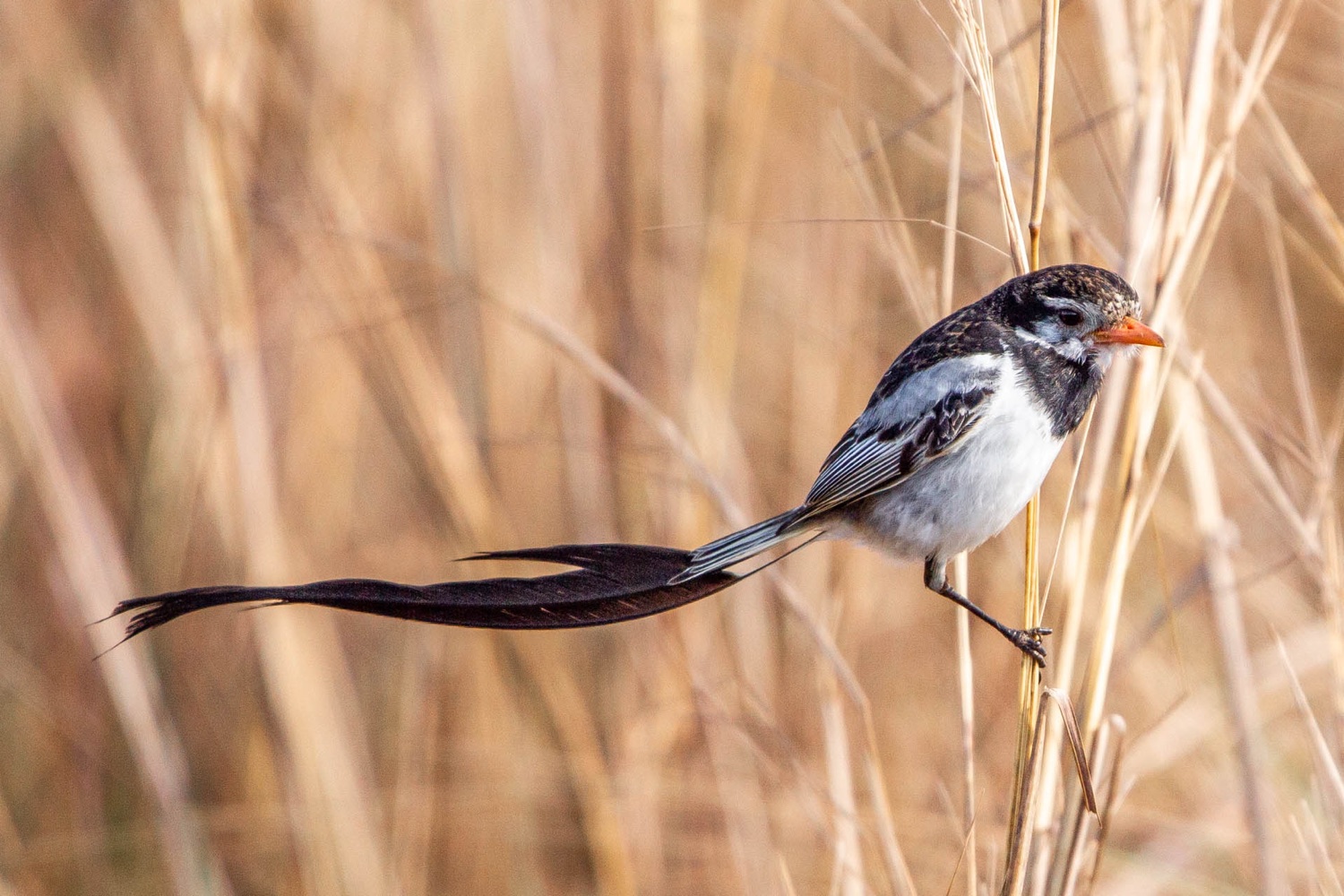
Spring and summer during the breeding season.
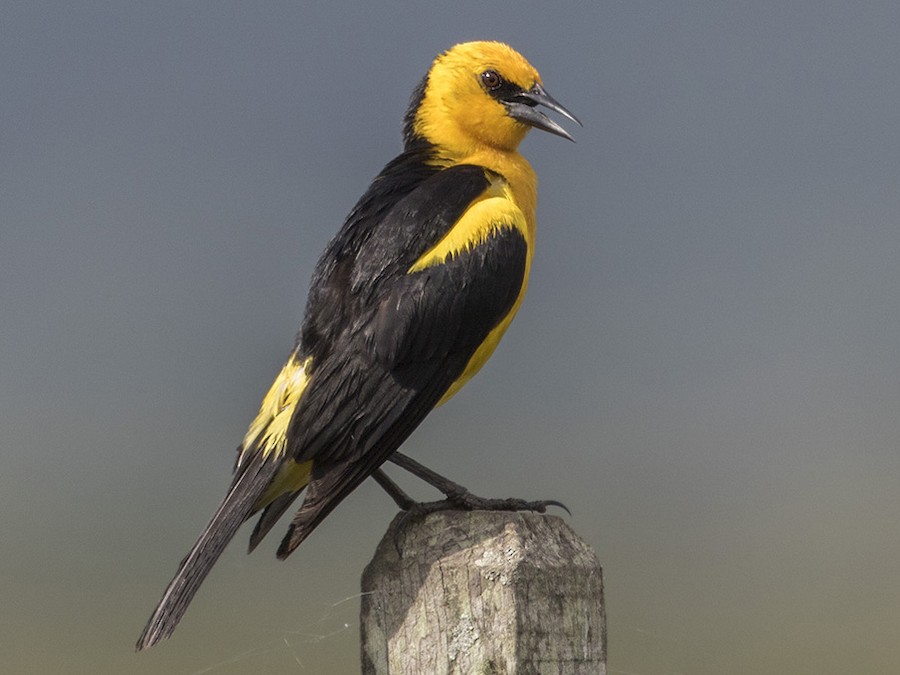
The breeding season in spring and summer is the best time to see them.
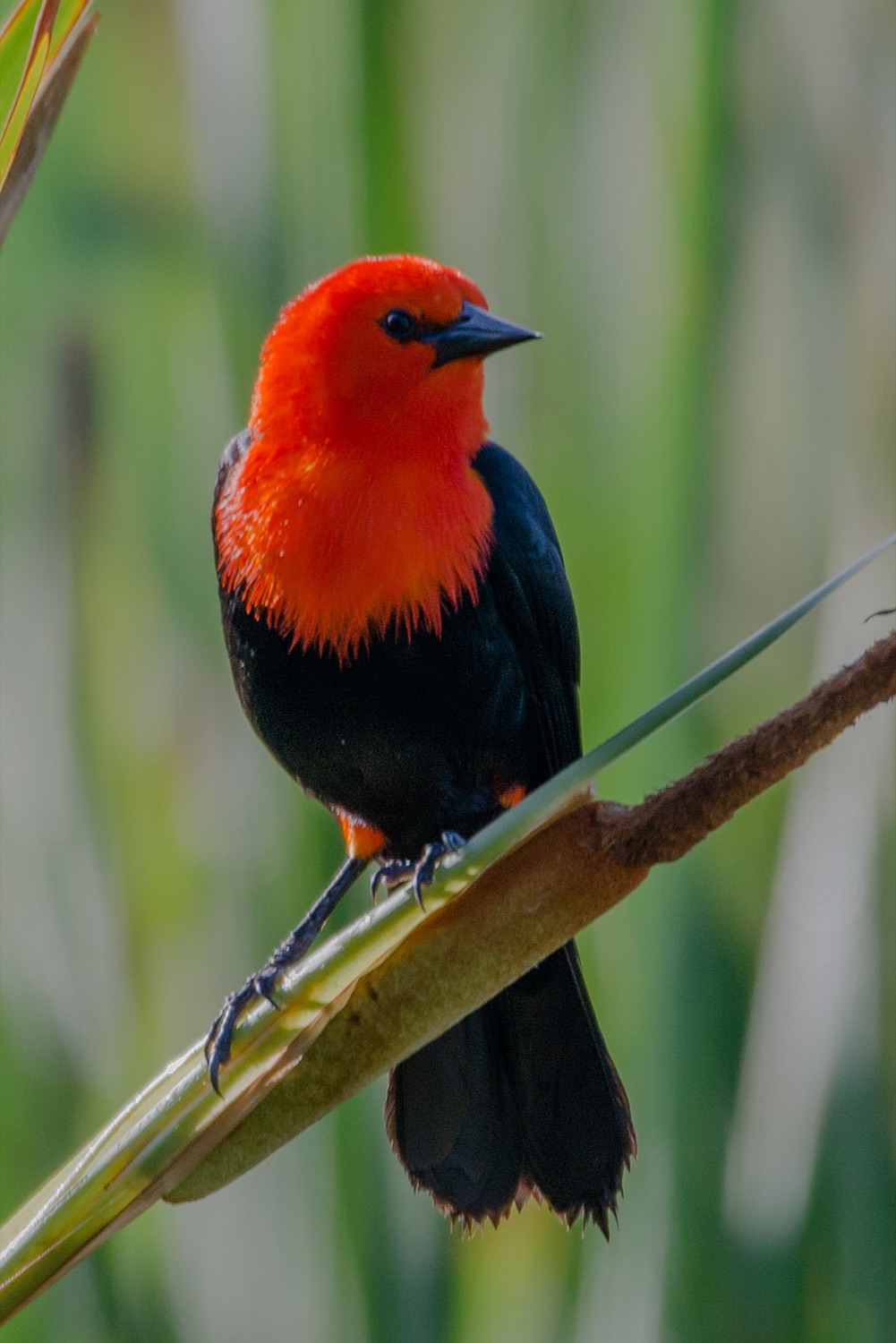
Year-round, with greater activity and noise during the breeding season in spring and summer (October to February).
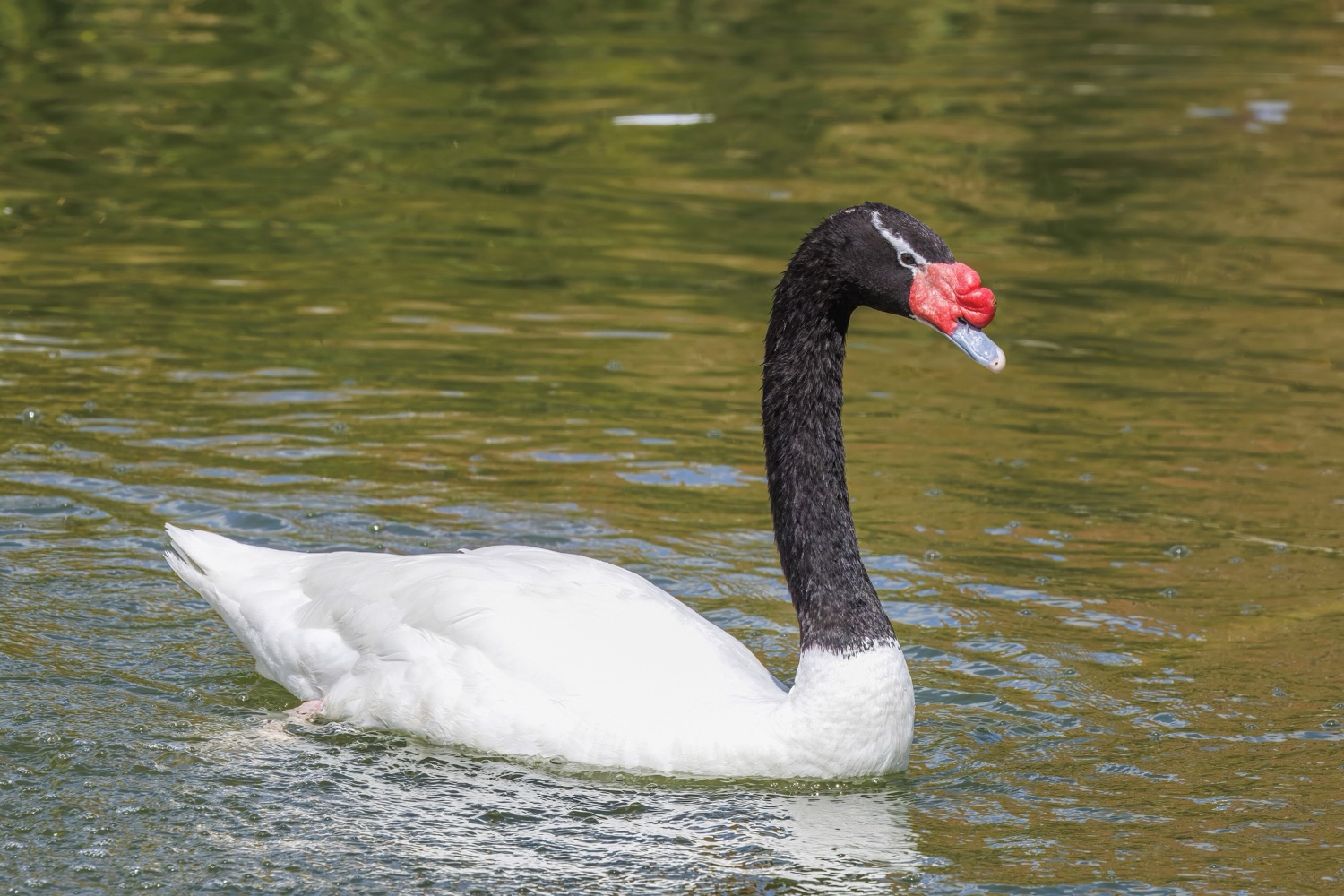
Carrying chicks on the back can be seen in spring.
Migration
Migratory species passing through or arriving in the Iberá at this time.
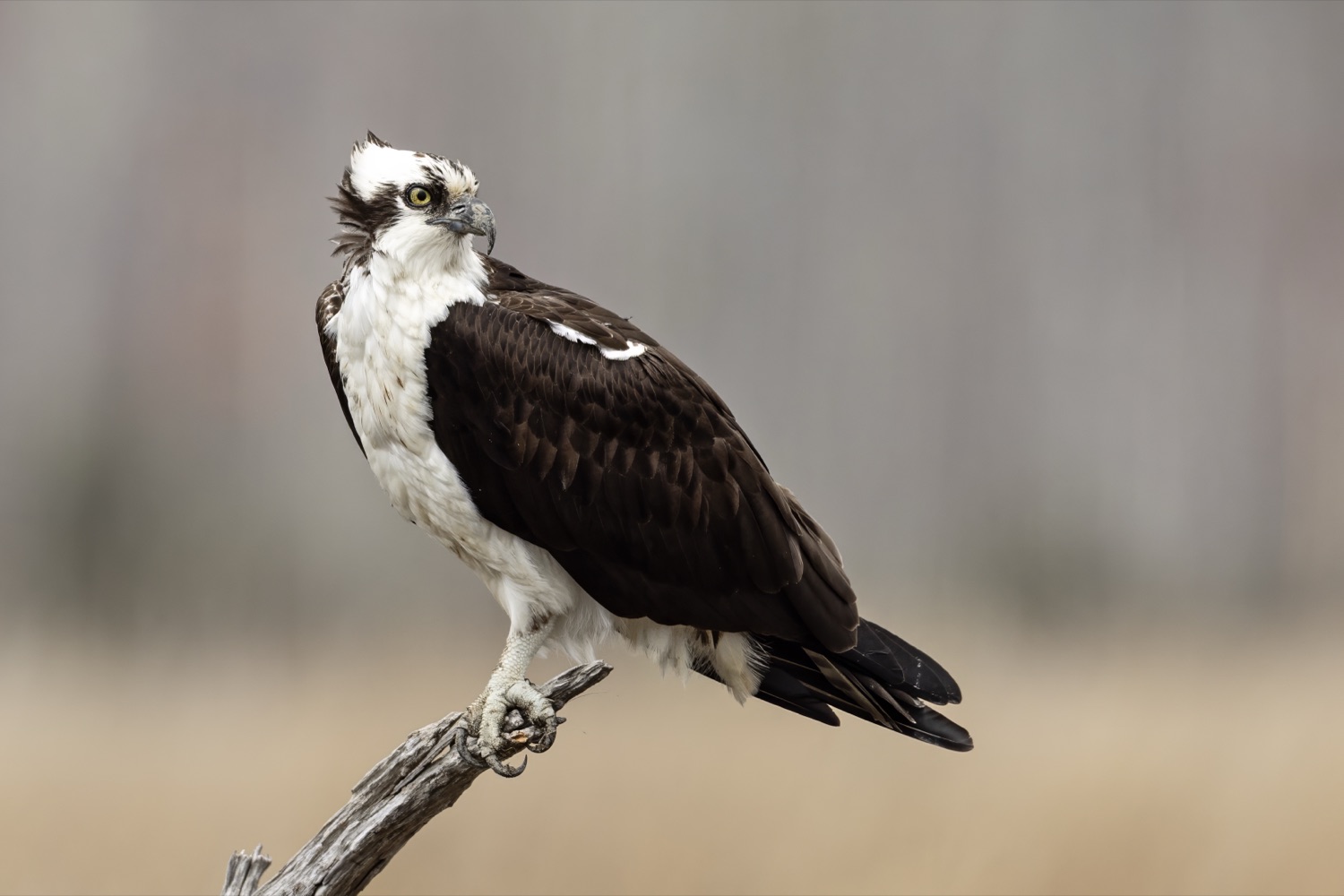
Mainly in the southern spring and summer (October to March), when it migrates from the northern hemisphere.
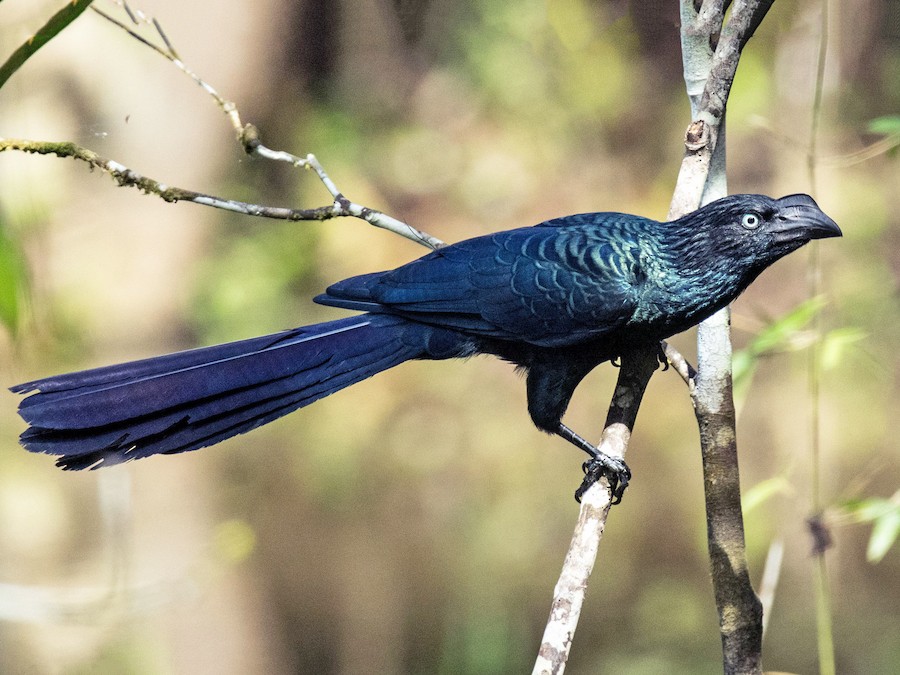
Spring and summer (a summer migrant in the Iberá), though harder to see than the smooth-billed ani.
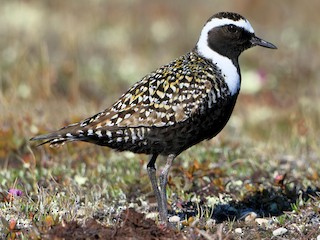
Autumn and spring during migration (March to May, and August to October).
At its best
They are here all year, but this is their moment of greatest presence or activity.
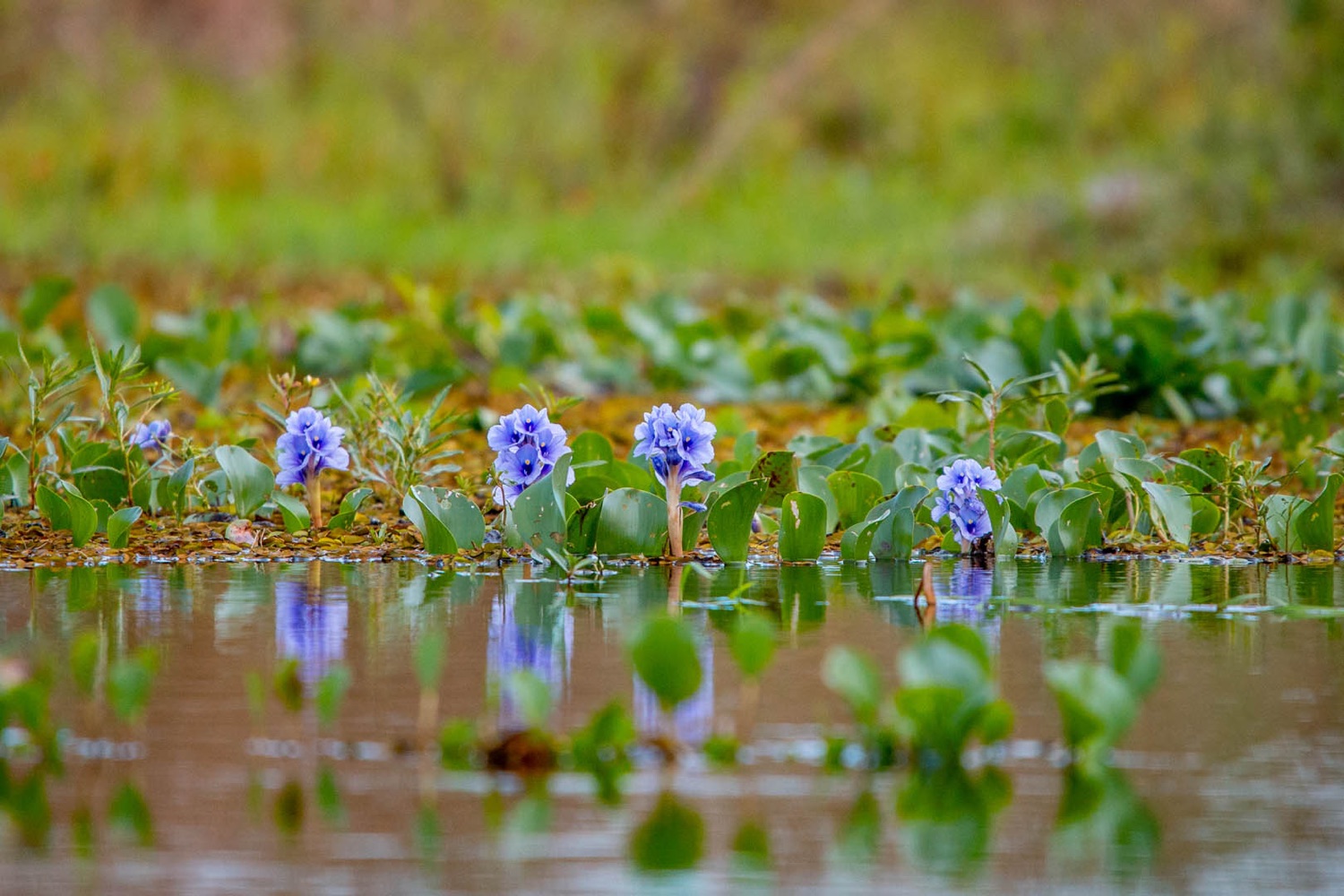
The months from May to October (autumn and winter) are ideal for navigating and exploring the dense network of floating peat mats by boat or kayak.
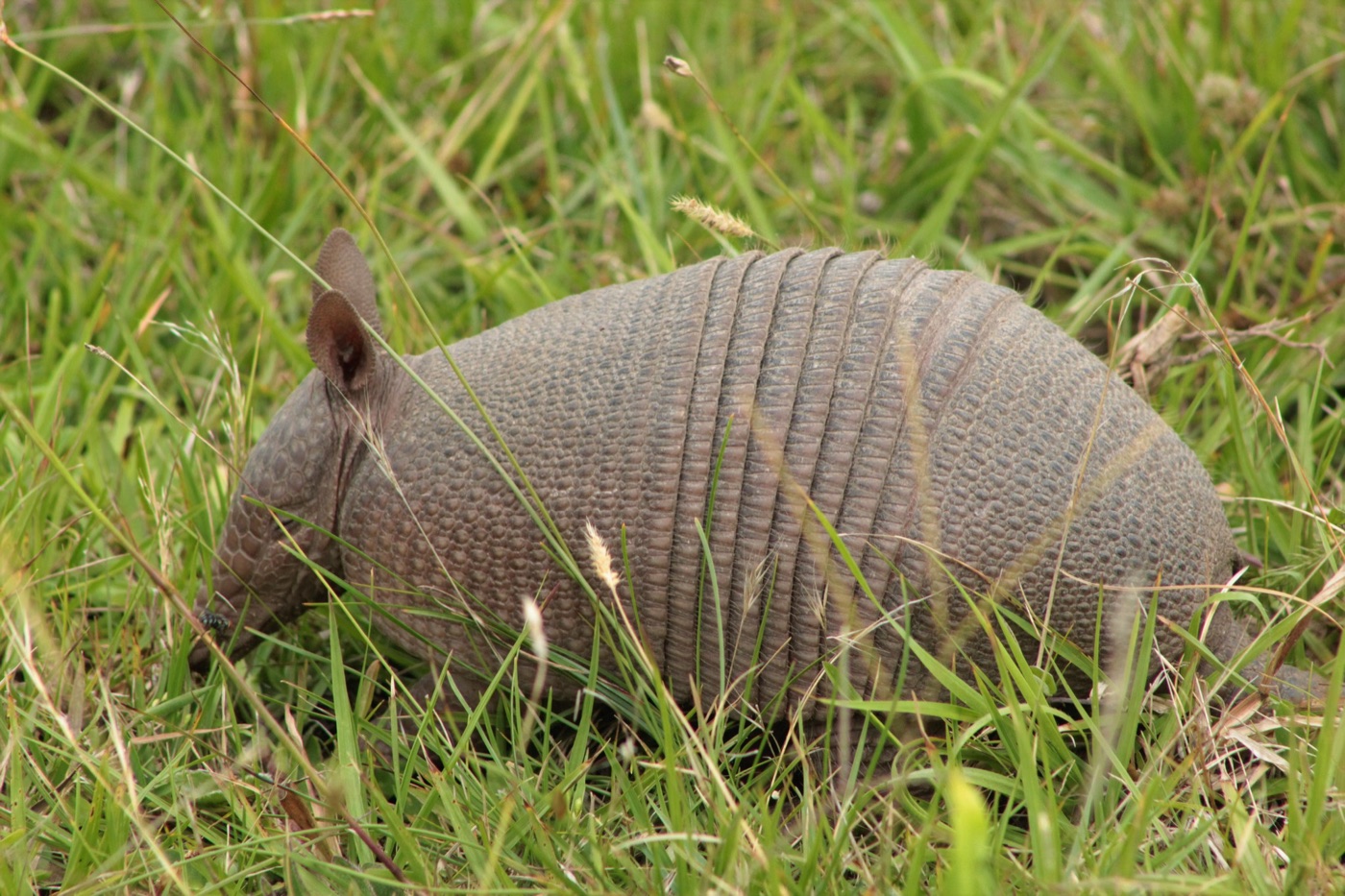
Year round, with the best chances on sunny spring and autumn afternoons.
The season of greatest appeal occurs during spring and summer (from October to March), the period in which the colorful spikes laden with orange fruit ripen and stand out sharply against the sandy ground.
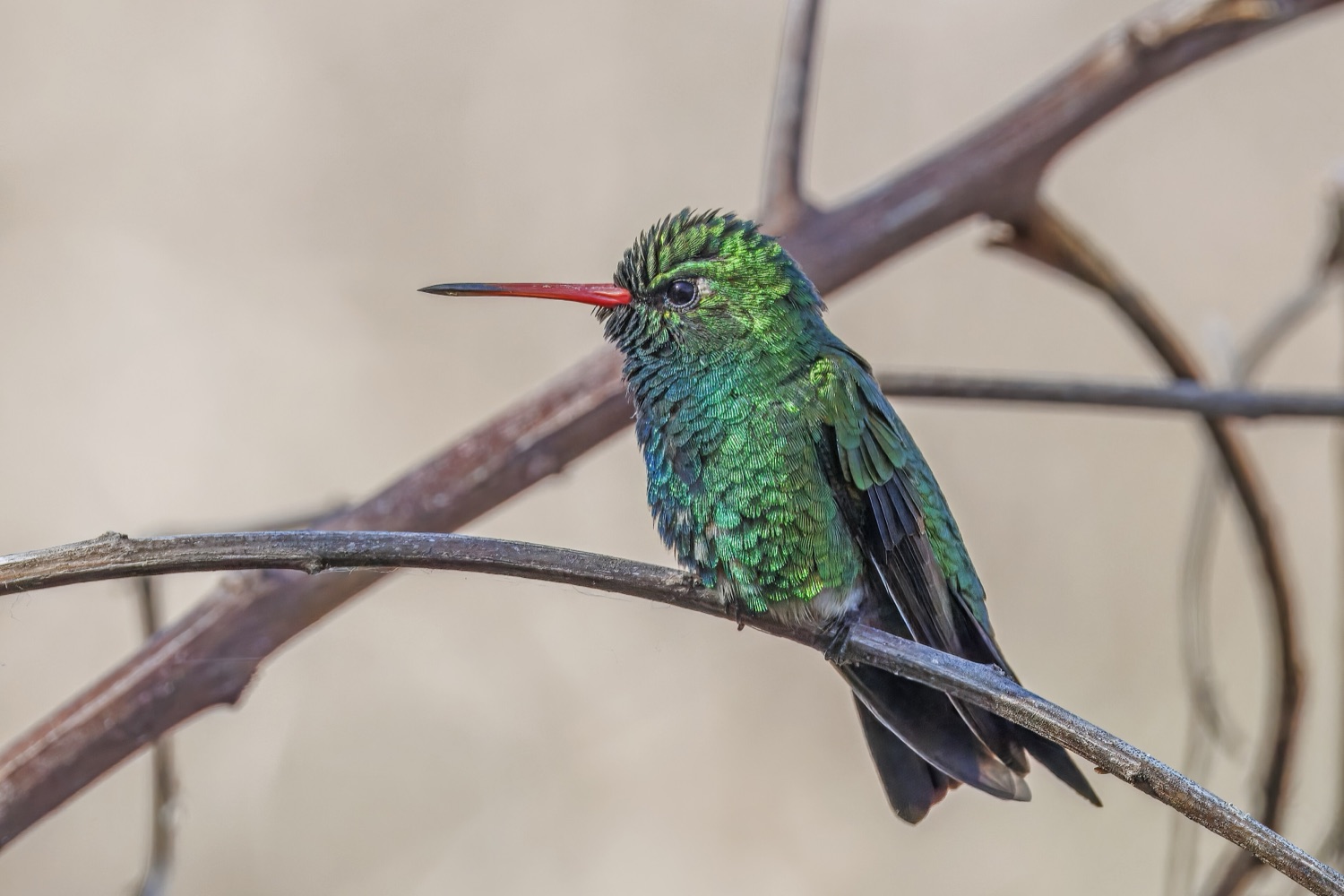
More visible in spring and summer when the flowers are more abundant.
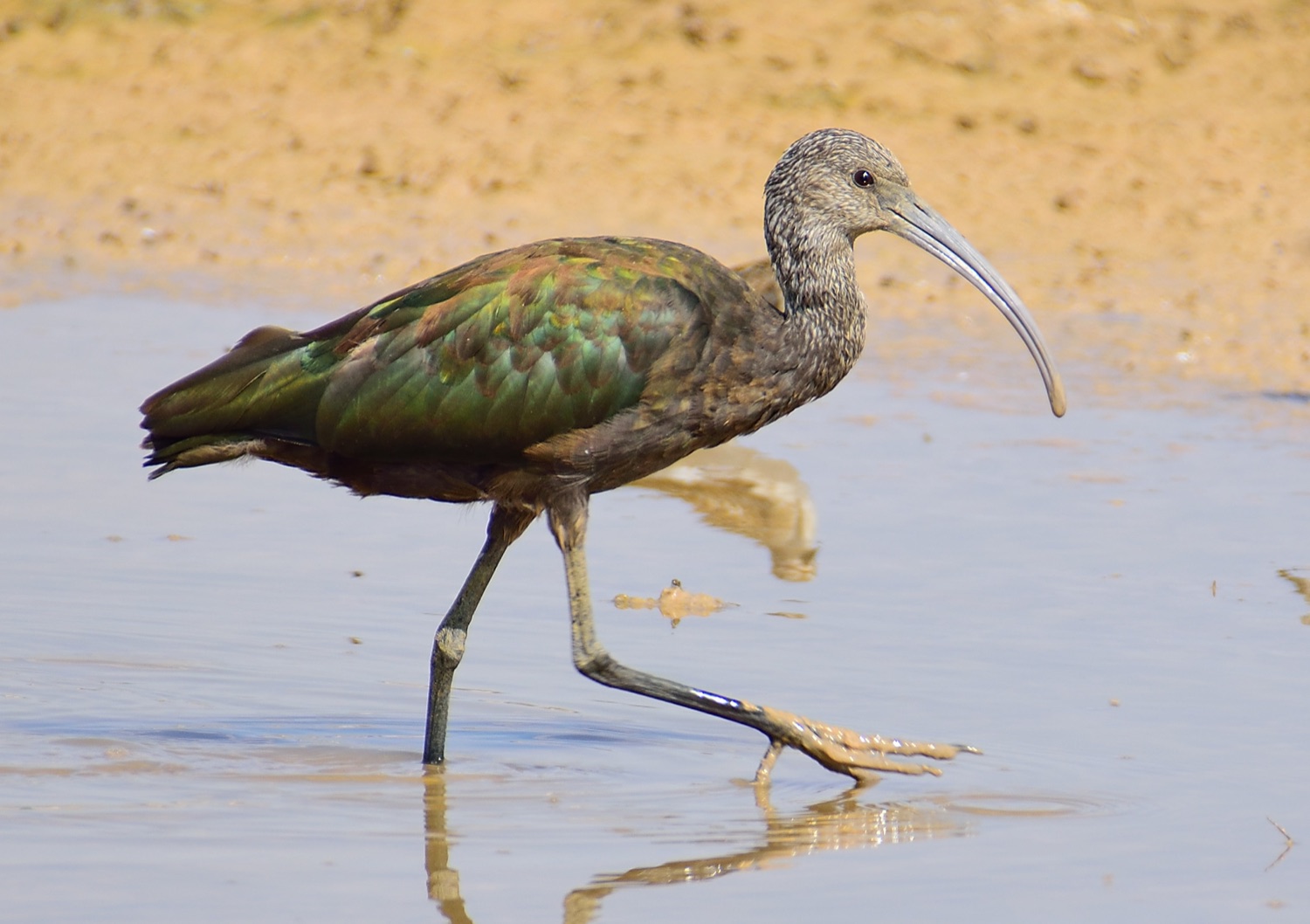
Year round, with greater presence in spring and summer when the wetlands are active.
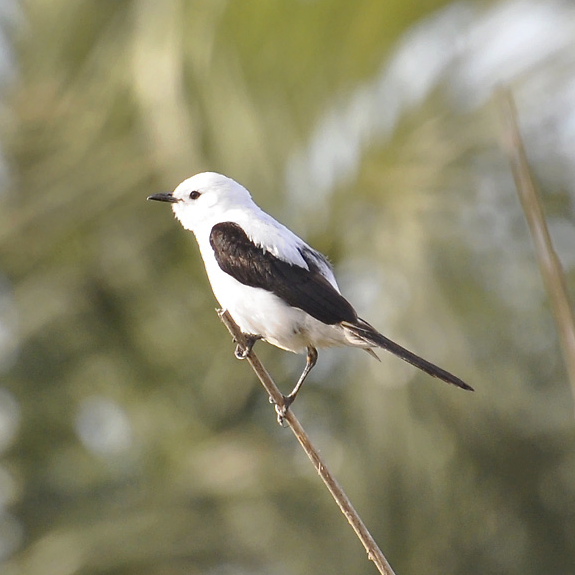
Year-round, with greatest detectability in spring and summer.
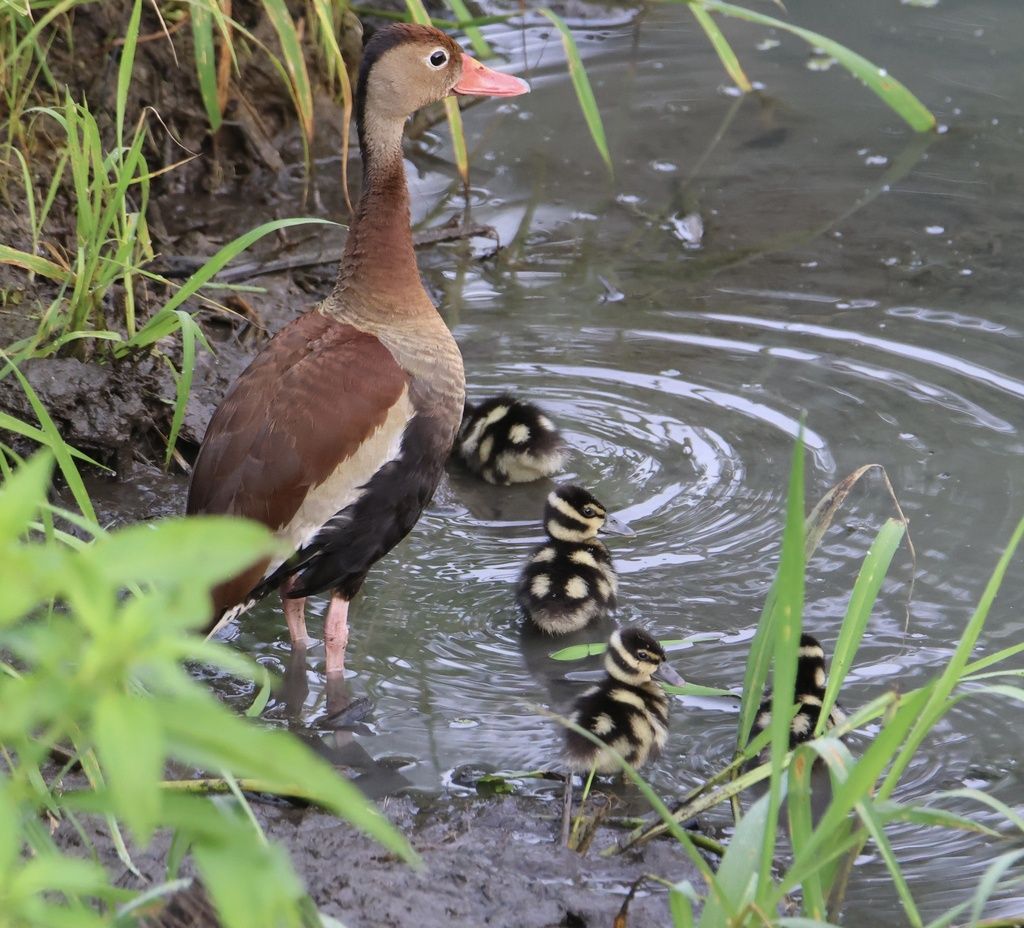
Year round, most abundant in spring and summer.
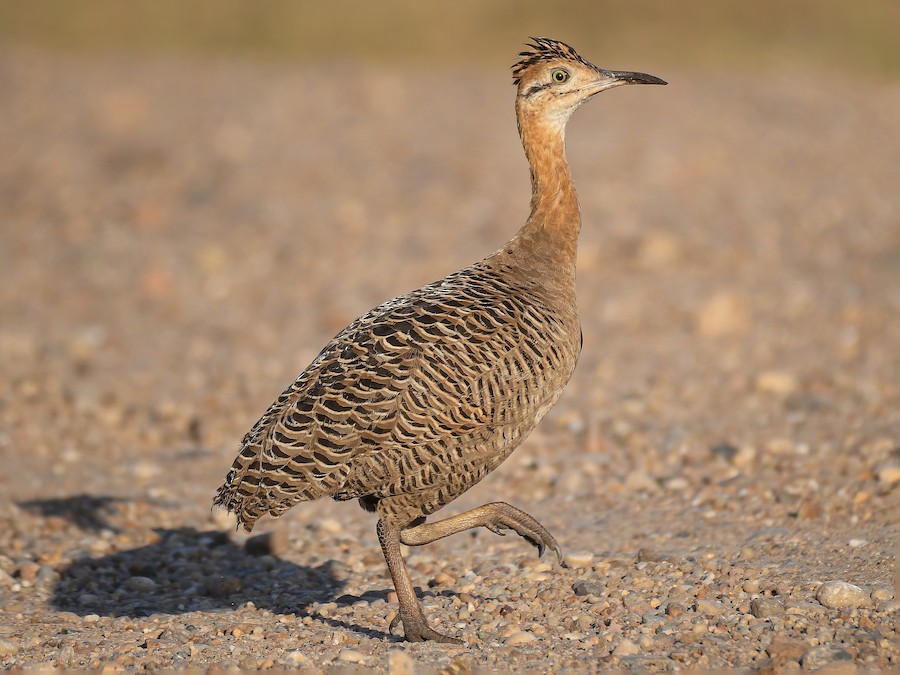
Year round, most detectable in spring and summer when the males sing more frequently.
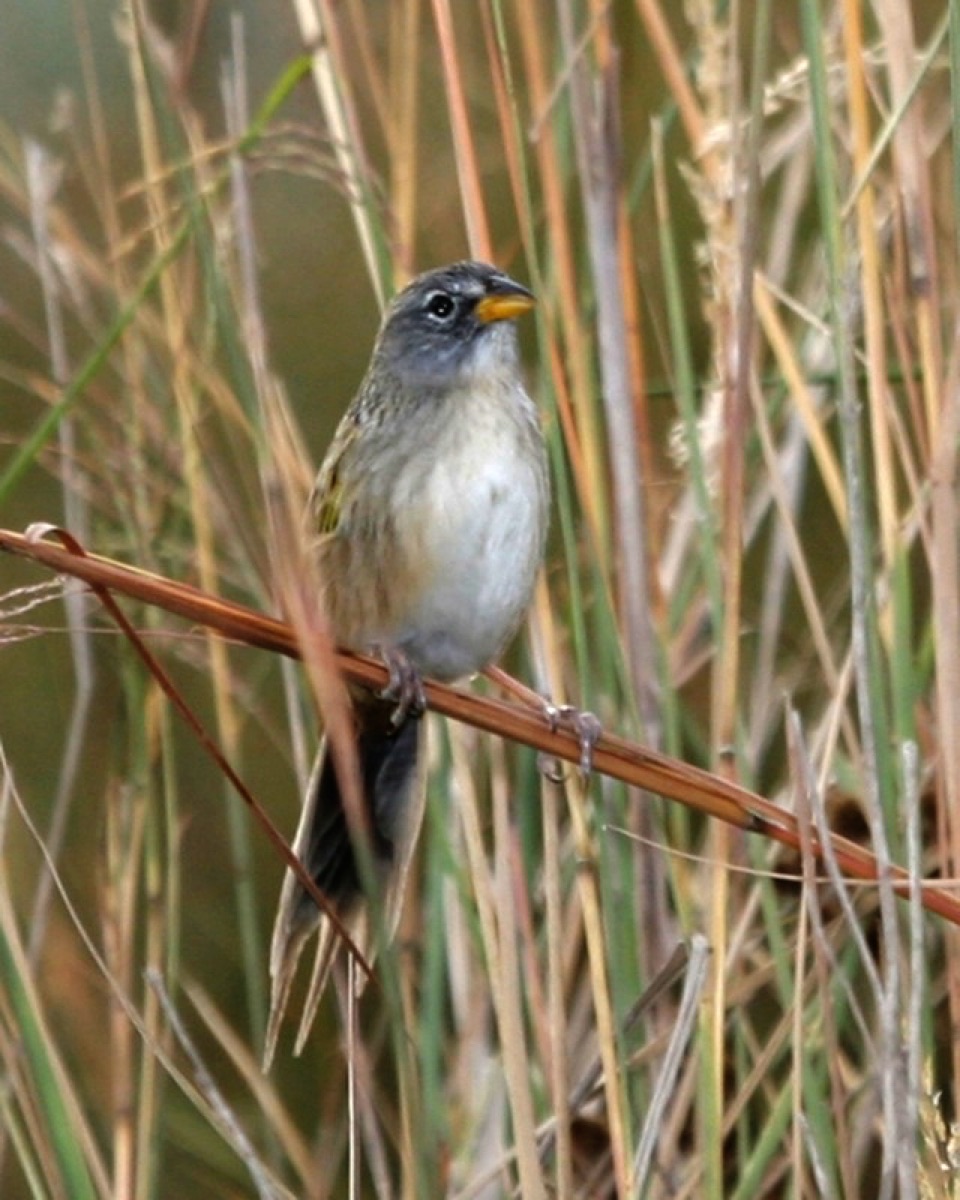
In spring it sings from the tops of the stems and shows itself better.
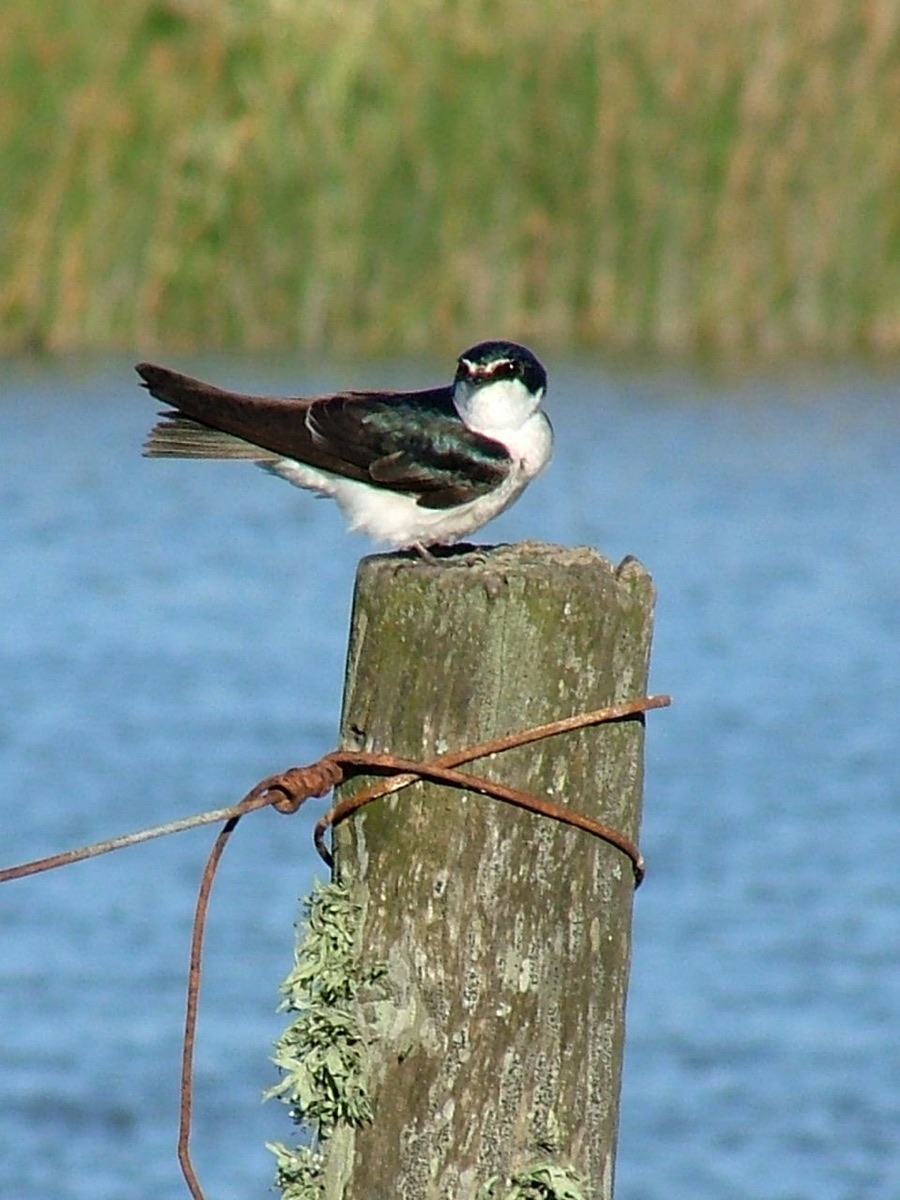
All year round, most active in spring.
Also in October
More species present, in bloom or breeding this month.
Always there
The Iberá's emblematic wildlife is around all year, October included.
Where to see it
The gateways into the Great Iberá Park and the base towns, each with their own lodges, guides and boat tours.
Plan your trip to the Iberá
Map, wildlife, verified providers and trip planner, all in one place. Free, no download needed.
Open Iberá Experience