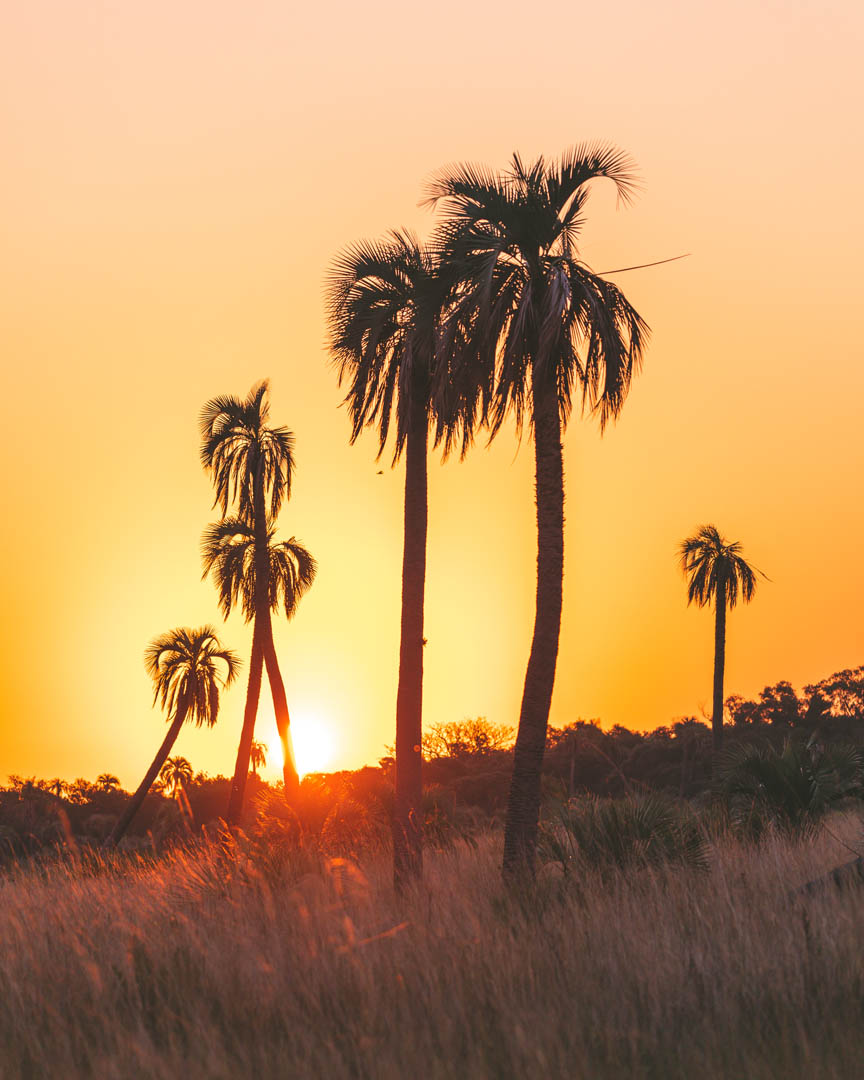
The first National Park in Corrientes (1994). 7 ecosystems in a single territory, premium birdwatching and the cradle of chamamé.
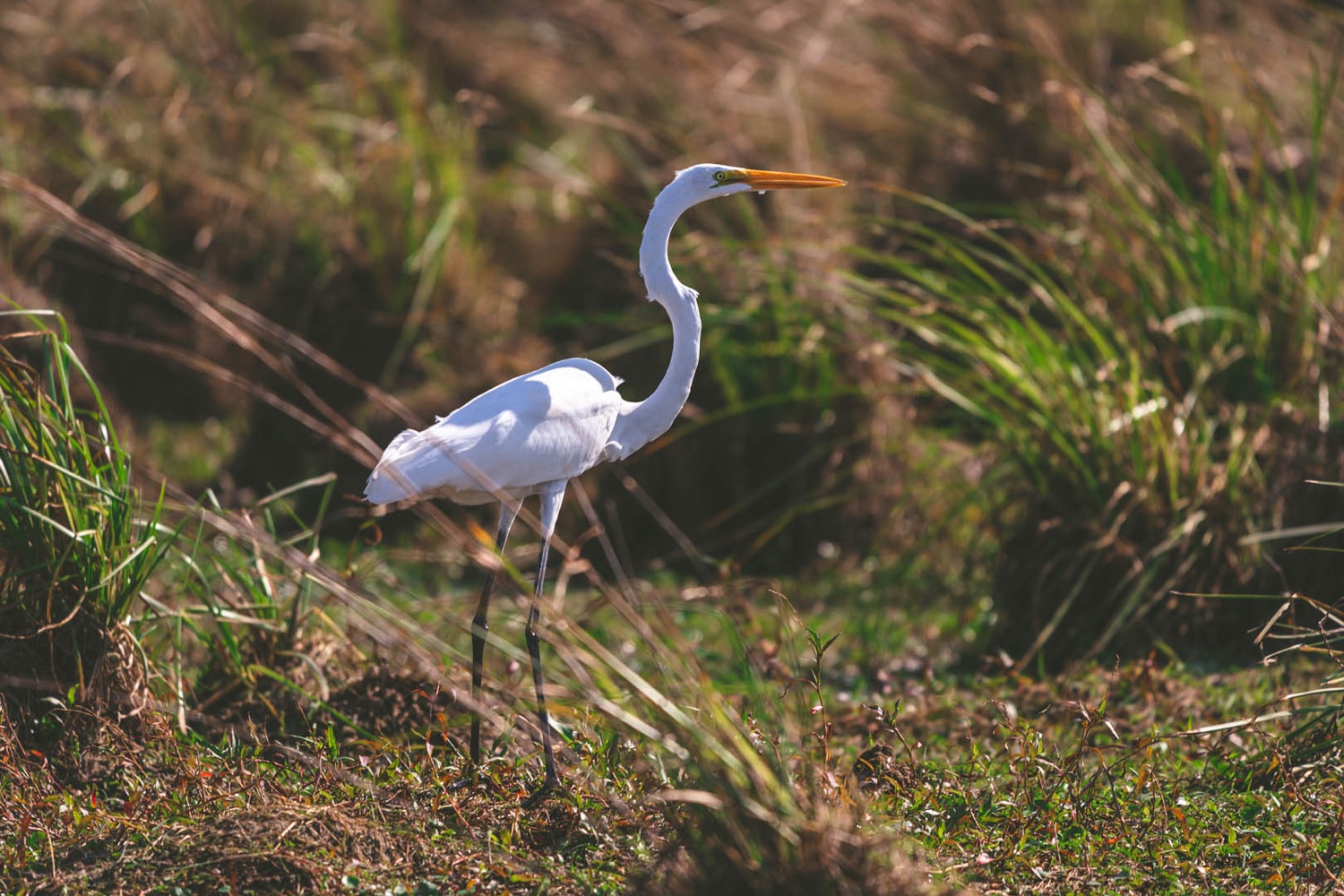
A high-biodiversity protected area where the Espinal, the Humid Chaco and the Paraná Forest meet. The central zone unfolds into open savannas with grasslands and yatay palm groves, dotted with small stands of laurel and timbó. Home to threatened birds such as the strange-tailed tyrant and the black-and-white monjita.
167 km from Corrientes via RN12 and RP13, and 209 km from Ituzaingó via RN12, RP118 and RP6.
How to get there
From Corrientes capital (~185 km): RP 5 to Mburucuyá (paved), then 15 km of gravel to the park.
What to do
- 🦜 Birdwatching
- 📸 Photo safari
- 🥾 Guided hiking
- 🚴 Cycle touring
- 🐴 Horseback riding
- 🛺 Carriage ride
- 🎶 Chamamé festival
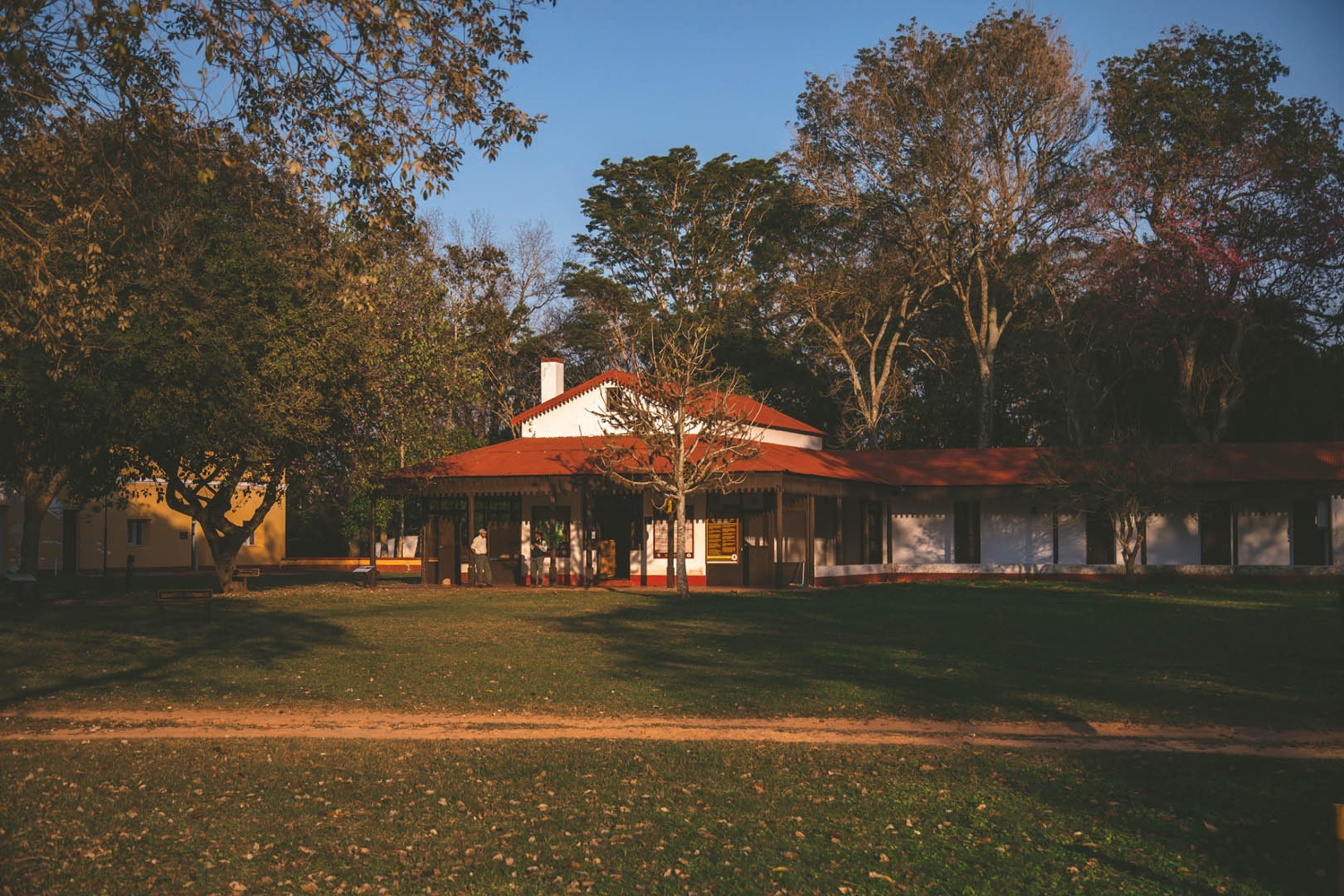
- 🏛️ Chamamé Museum
What to see in Mburucuyá
- 🌴 Yatay palm groves
- 🎶 Chamamé Festival (UNESCO Heritage 2020)
- 🏛️ Chamamé Museum
- 🛺 Traditional carriage rides
- 🌊 7 ecosystems: wetlands, marshes, palm groves and woodland
Wildlife you will see
- Maned Wolf
- Giant Anteater
- Marsh Deer
- Pampas Deer
- Strange-tailed Tyrant
- Black-and-white Monjita
- Woodland birds
- Grassland birds
Where to sleep and eat
Mburucuyá (15 km): local cuisine, lodging and Corrientes culture.
Featured places to stay
- Camping Paso Aguirre
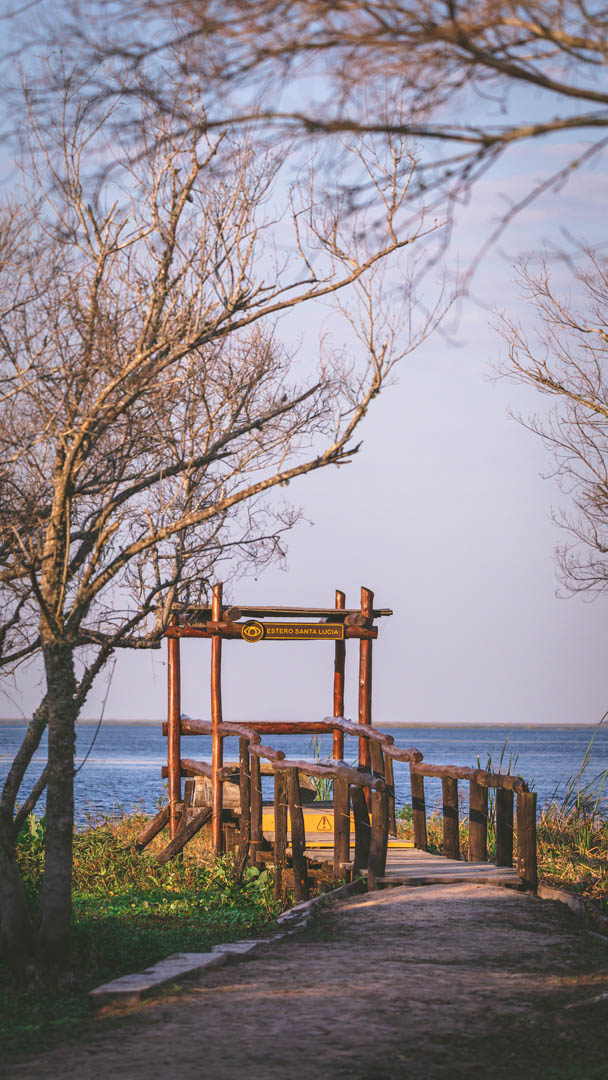
Municipal campsite on the marsh shore in Mburucuyá. Covered grills with barbecues and tables, a walkway and jetty over the marsh, pindó palms. It includes the historic Paso Aguirre ferry (in service until 1995, it linked Mburucuyá with Santa Rosa and Concepción).★ 4.8 - Cabañas Mburucuyá Poty
Equipped cabins with a veranda and parkland, ideal for families.★ 4.6 - Hotel Florida - Saladas
Central hotel in Saladas, a base for visiting Mburucuyá National Park.★ 4.6 - Hospedaje La Vieja Guardia
Hospedaje con pileta y solárium, galerías y patio amplio, cochera y parrillas. Habitaciones acondicionadas y desayuno opcional.★ 4.5 - Complejo Municipal Laguna Limpia
Municipal beach resort at Laguna Limpia with a beach, pool and lodging. Cart rides, horseback outings and canoe trips at Paso Aguirre are arranged through the town's tourist office.★ 4.4
Best time to visit
Autumn (April to June): pleasant temperatures, peak wildlife, ideal for a photo safari. Spring (September to November): palm grove blooming, maximum birdwatching and breeding season.
The portal in photos
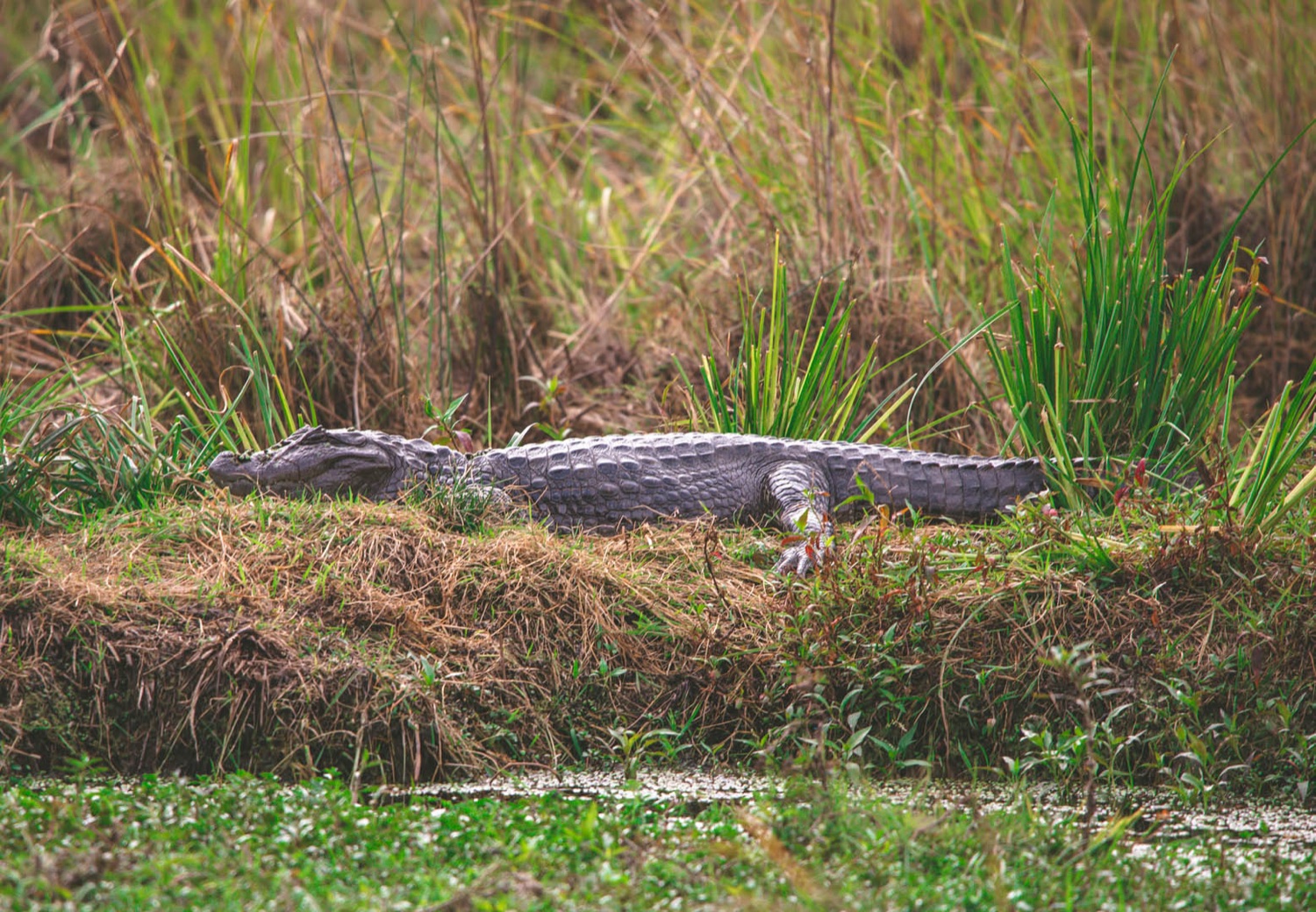
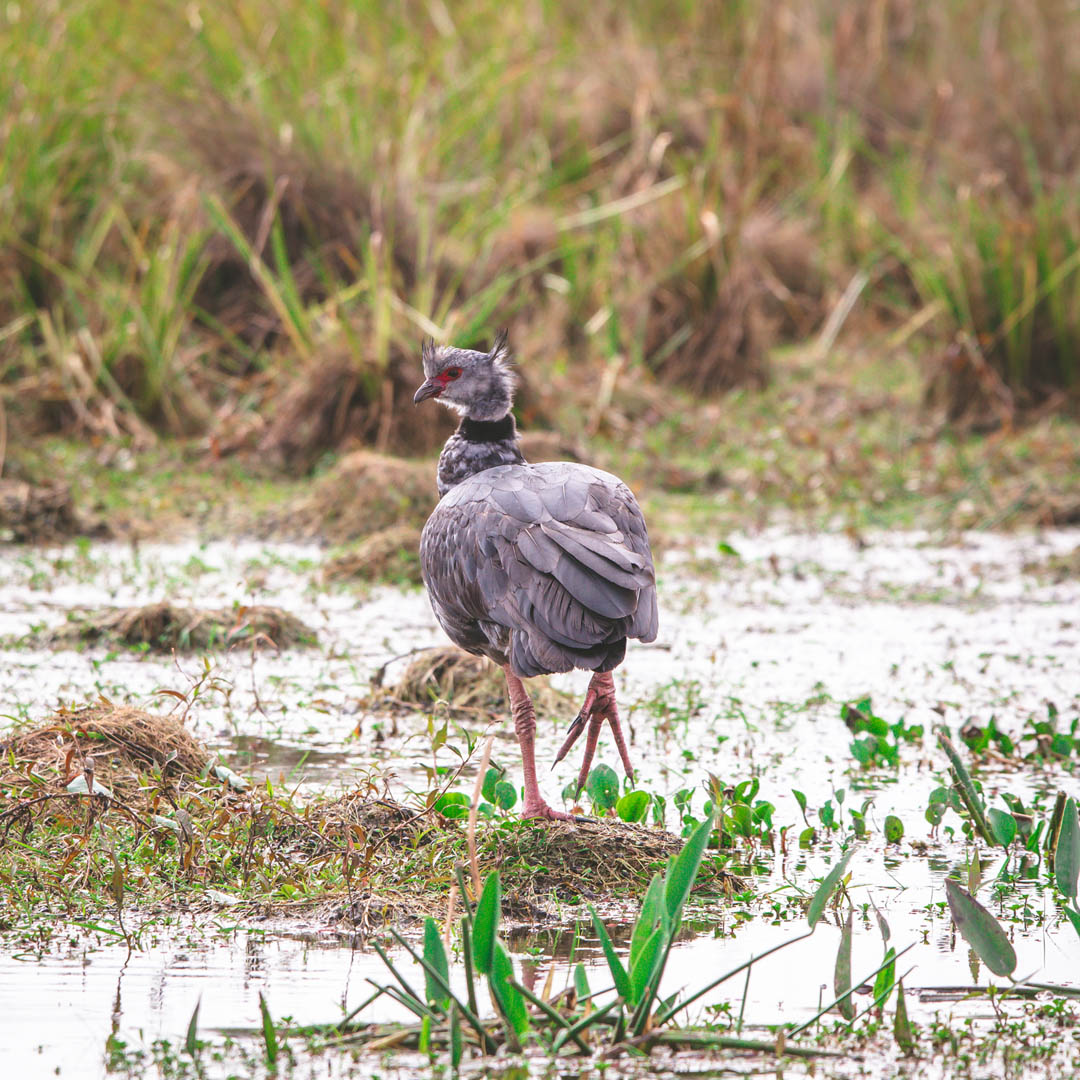
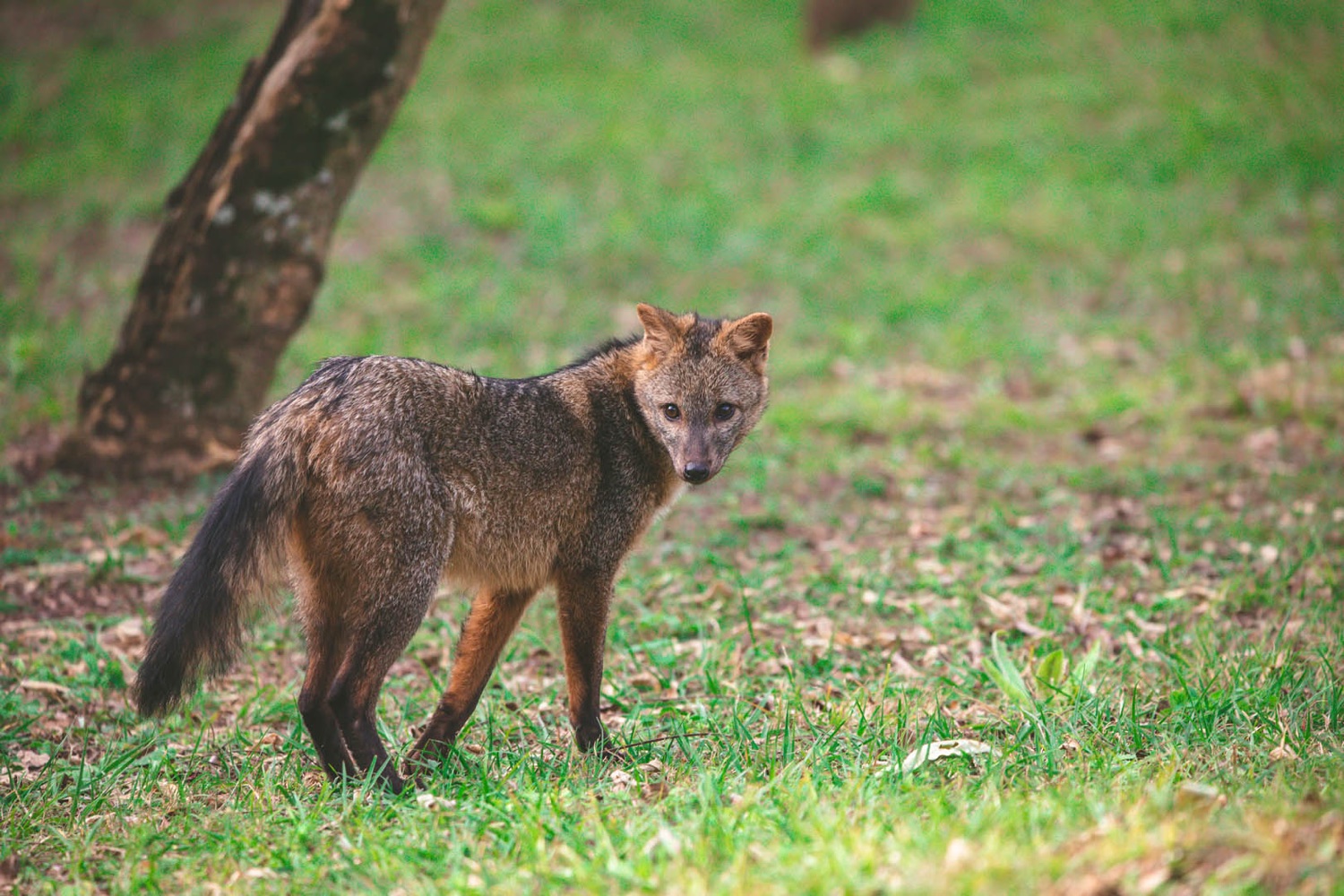
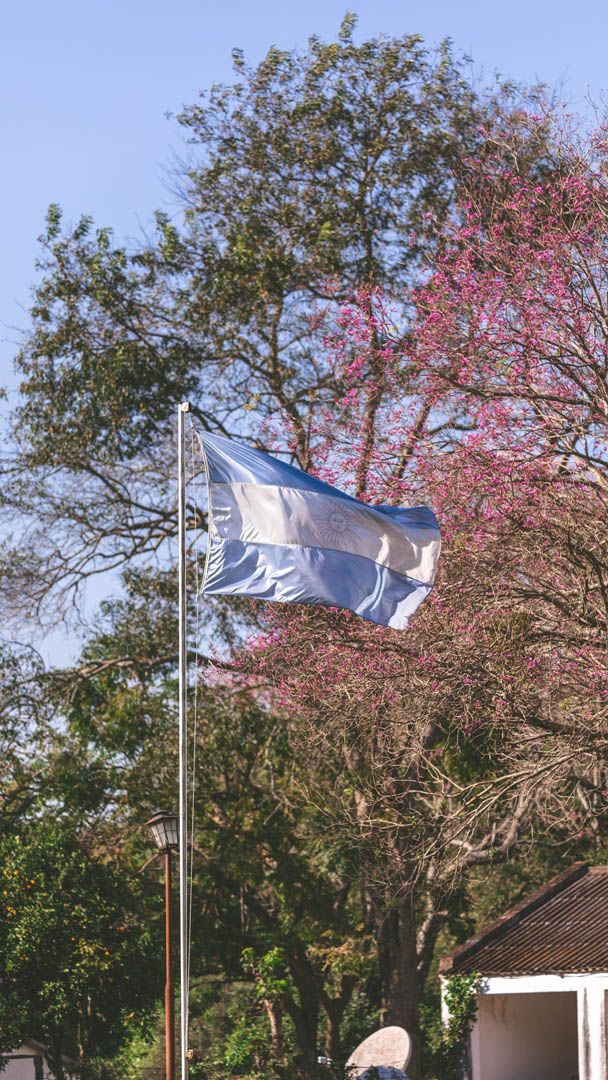
Mburucuyá N.P.: three natural regions and the chamamé
Mburucuyá National Park is technically different from the rest of the Great Iberá Park: it is not part of the Provincial Park but a national protected area, created in 1994, that converges with the Iberá system from the west. Its particularity is that across its more than 17,000 hectares three distinct natural regions meet: the Chaco with its woodlands and palm groves, the Espinal with its yatay palm groves, and the Paranaense Forest with dense riverside woodland. That diversity of habitats in a single territory produces a richness of wildlife hard to find anywhere else in the region.
Birds are the park's greatest appeal: the Strange-tailed Tyrant, whose global population is threatened, has one of its safest refuges here. The Black-and-white Monjita, the capuchino corona gris and the Saffron-cowled Blackbird are also frequent records. For the serious birdwatcher, Mburucuyá is an obligatory stop on any trip through northeastern Argentina. The park has well-signposted self-guided trails and the option of riding them by bicycle, which makes it especially accessible for families.
The town of Mburucuyá, 15 km from the park along paved road, has a strong cultural identity. It is one of the birthplaces of chamamé, music declared Intangible Heritage of Humanity by UNESCO in 2020, and the local Museo del Chamamé documents that history. Traditional carriage rides, local cooking and the chamamé festival, held every year, are part of a complete visit to the area.
How to organise your visit to Mburucuyá N.P.
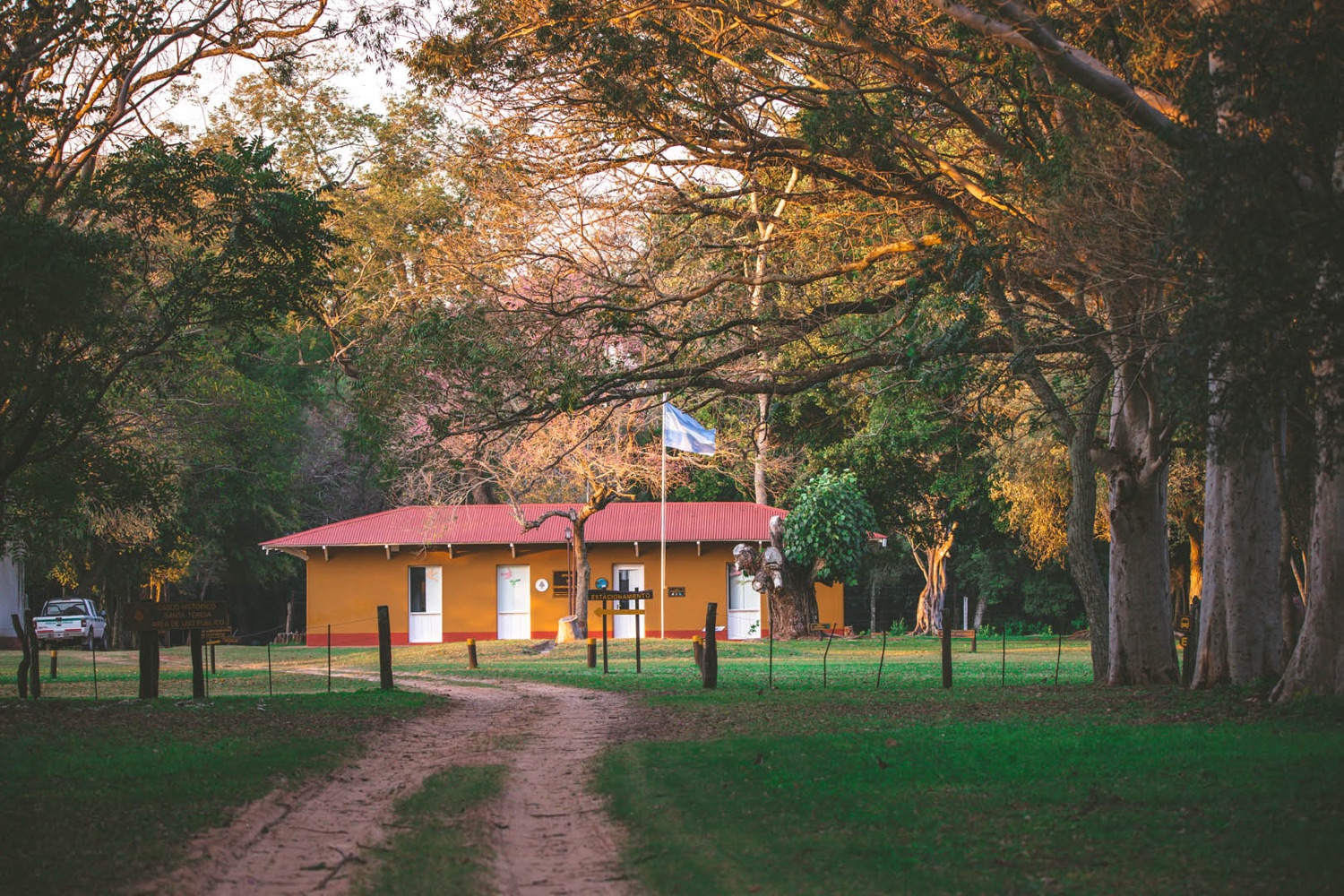
Access is along RP 5 from the city of Corrientes, 185 km of paved road to Mburucuyá, and then 15 km of gravel to the park entrance. The park campsite is free, with covered BBQ areas, grills and hot showers, and there is also a general store inside the area. The recommended season is autumn (April to June) for the pleasant temperatures and the peak of wildlife, though spring (September to November) brings the flowering of the palm grove and the highest number of bird sightings. The recommended minimum visit is two days, to cover the main trails and the town.
Other portals of the Iberá
Plan your visit with the app
Map, wildlife, verified providers and trip planner, all in one place. Free, no download needed.
Open Iberá Experience