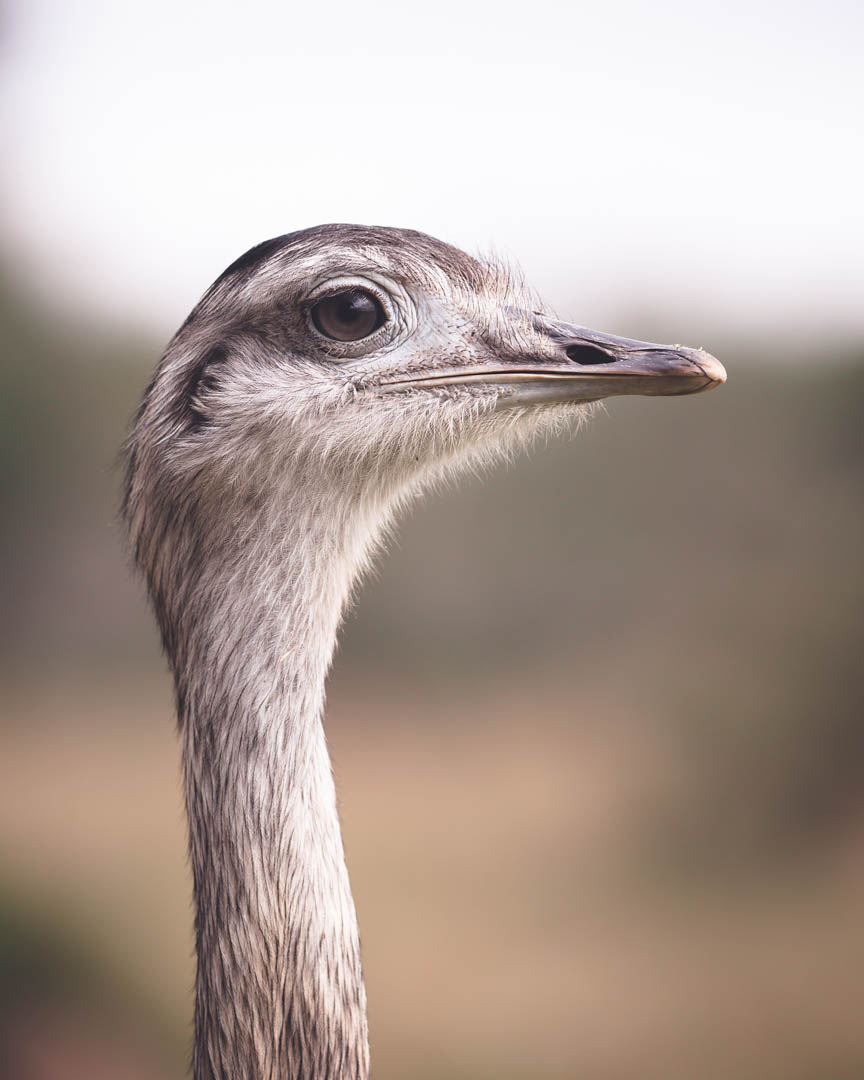
A journey to the origins of Iberá. Discover how Guaraní-Jesuit mysticism and the old miraculous wood carvings shaped the identity, the myths and the faith of the towns that watch over the wetland.
The remarkable history of Loreto goes back to 1610, when the first Jesuit missionaries gathered settlers of the Guaraní people and founded the Mission of Loreto in the Guayrá, the first foundation of this migrant town. The community moved through several provisional seats; one of them was established in 1686 in the south of today's Misiones province, bringing the culture, customs and religion of Europe and blending them with the local ones.
These settlements, known as the Missions, together formed a kind of country of their own that competed with the Spanish and Portuguese colonial powers, gaining great influence before royal envoys, landowners and merchants. Because of those power struggles, in 1767 the Spanish crown expelled the Jesuits from America and the missions were left at the mercy of attacks.
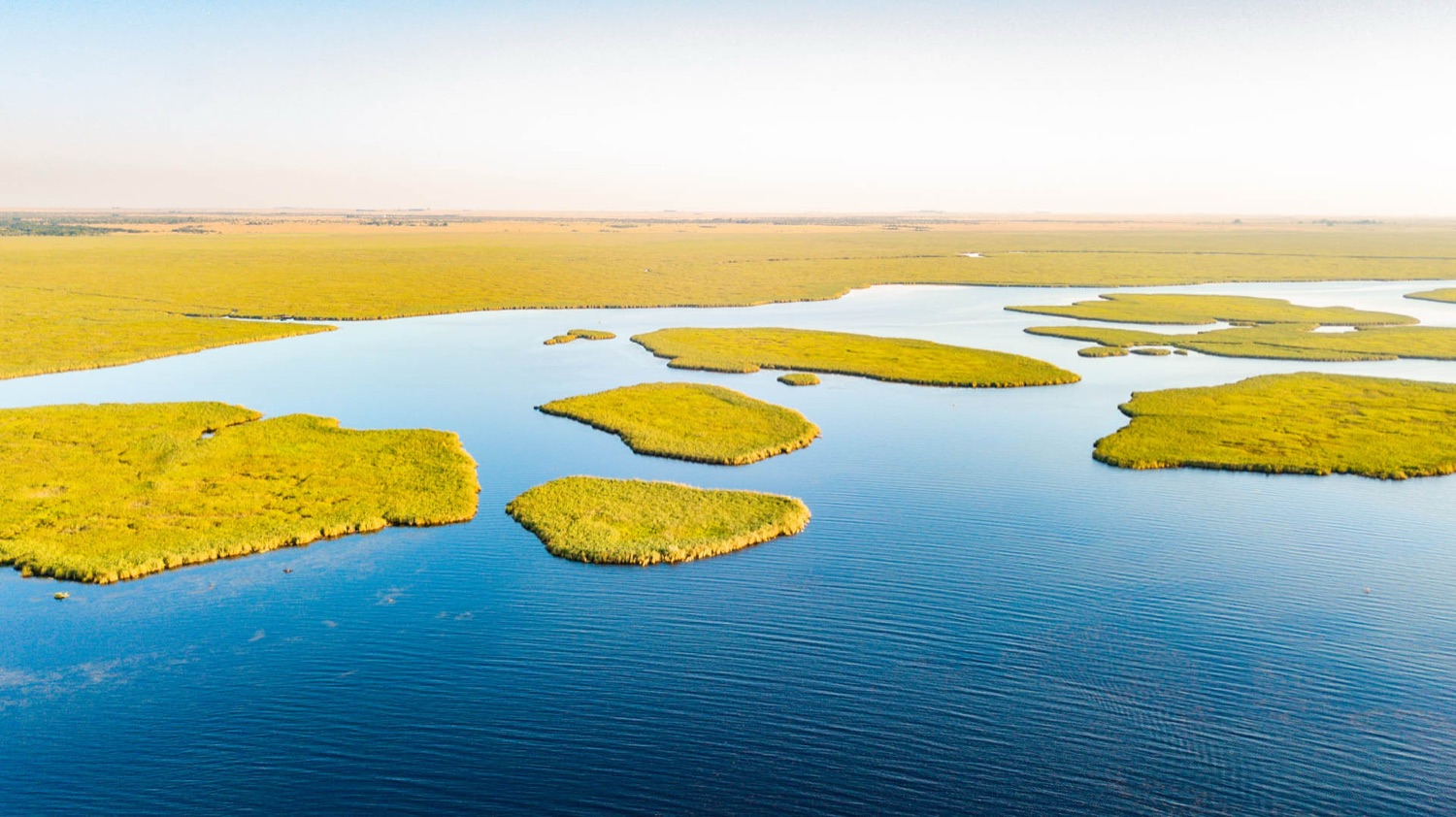
Half a century later, in 1817, when Portuguese troops razed the mission towns, a group of Guaraníes from the Loreto mission led its final migration: they walked to where the town of Loreto stands today, its third and definitive refoundation. They chose it because it is a wooded "island" amid the marshes, higher ground among floodable lands. That island was known as the Yatebú rise.
They settled there bringing customs from the Jesuit period: religion, farming habits and forms of life and organization. Ever since, the place has been seen as a site of protection and safety, a spirit that, more than 410 years after its first foundation, can still be felt in the community and among visitors.
Loreto and San Miguel were born as refuges for the Guaraní families fleeing the destruction of the mission towns. They brought with them the magnificent religious images hand-carved in native wood, preserved jealously today in family altars and sacred museums, guarded by ancestral myths.
Portal San Antonio (near Loreto) and Portal San Nicolás (27 km from San Miguel) complete the experience by connecting history with living nature. While San Antonio offers astro-tourism under certified dark skies and hiking among wet meadows, San Nicolás invites you to relive historic navigation by pole canoe, gliding in absolute silence among water hyacinths and caimans.
The circuit closes its cultural triangle in Caá Catí, a quiet town surrounded by marshes and lagoons. Its streets and old 19th-century houses with wide verandas offer scenes from another time.
Day by day
Portal San Antonio
Portal San Nicolás
Highlights
- Sacred Museum of Loreto and the circuit of historic home chapels
- Traditional pole-canoe navigation at Portal San Nicolás
- Tour of the 19th-century mansions of Caá Catí
- Stargazing with tales of the Guaraní cosmovision in San Antonio
Practical tips
- Unmissable: if your visit coincides with the patron saint festivities (like San Miguel Arcángel in September), you will witness a celebration of popular faith deeply rooted in the area.
- Site guides: for the family-altar route in Loreto or the historic murals, always ask at the local tourist information offices.
- Road access: Portal San Antonio is reached by paved road to the entrance on Route 118 and then 16 km of well-kept gravel, and San Nicolás via 27 km of sand and dirt, restricted to 4x4 vehicles (National Parks service).
Plan it in My trip
The app plans this route day by day with a place to stay and an excursion at each portal. Then you change it as you like, download it to use offline and message each provider on WhatsApp.
Open in My tripWould you rather we plan it for you? Iberá Experience puts together the trip with the same providers listed in the app.
See planned tripsOther routes
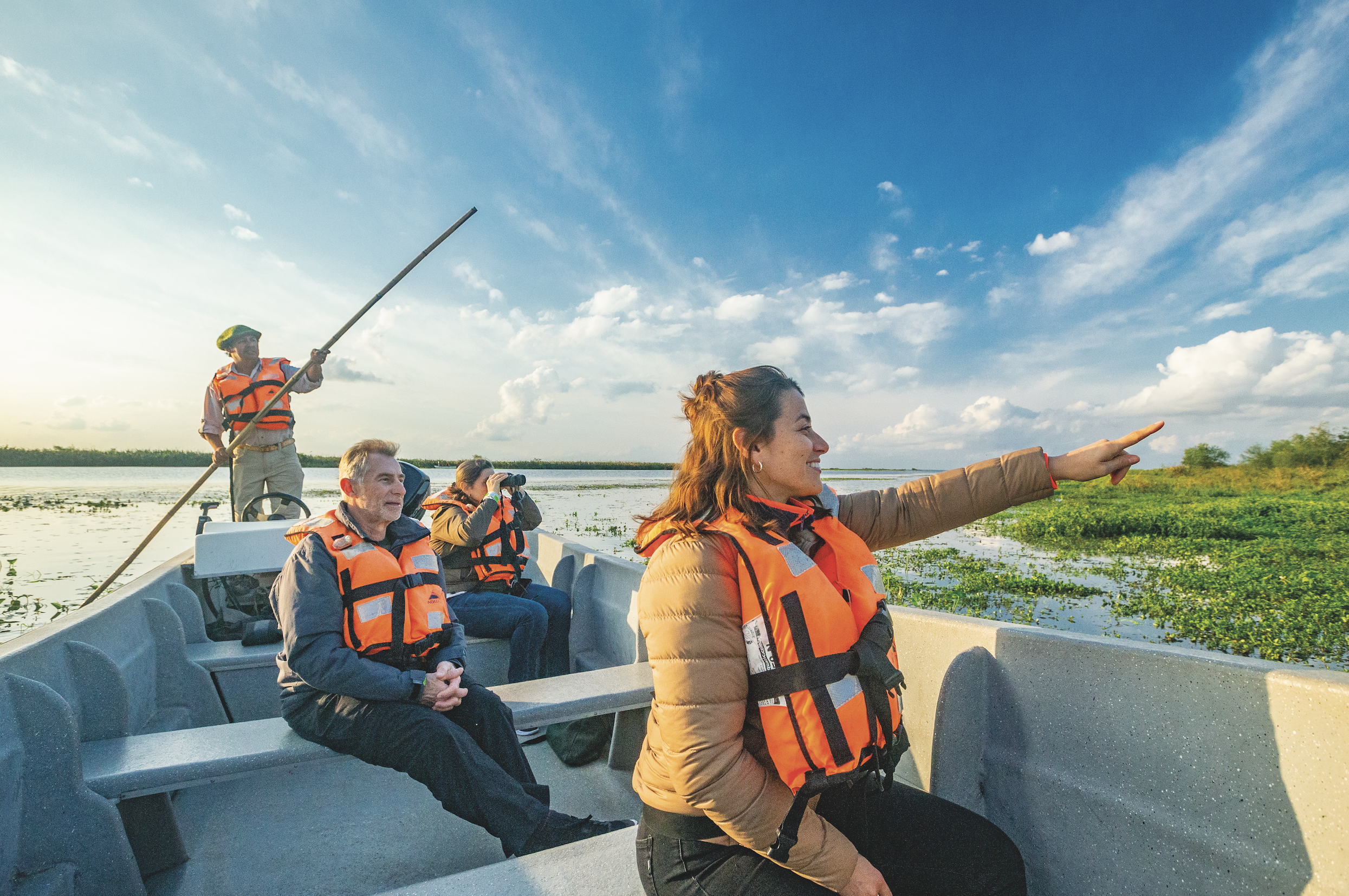
Classic Circuit
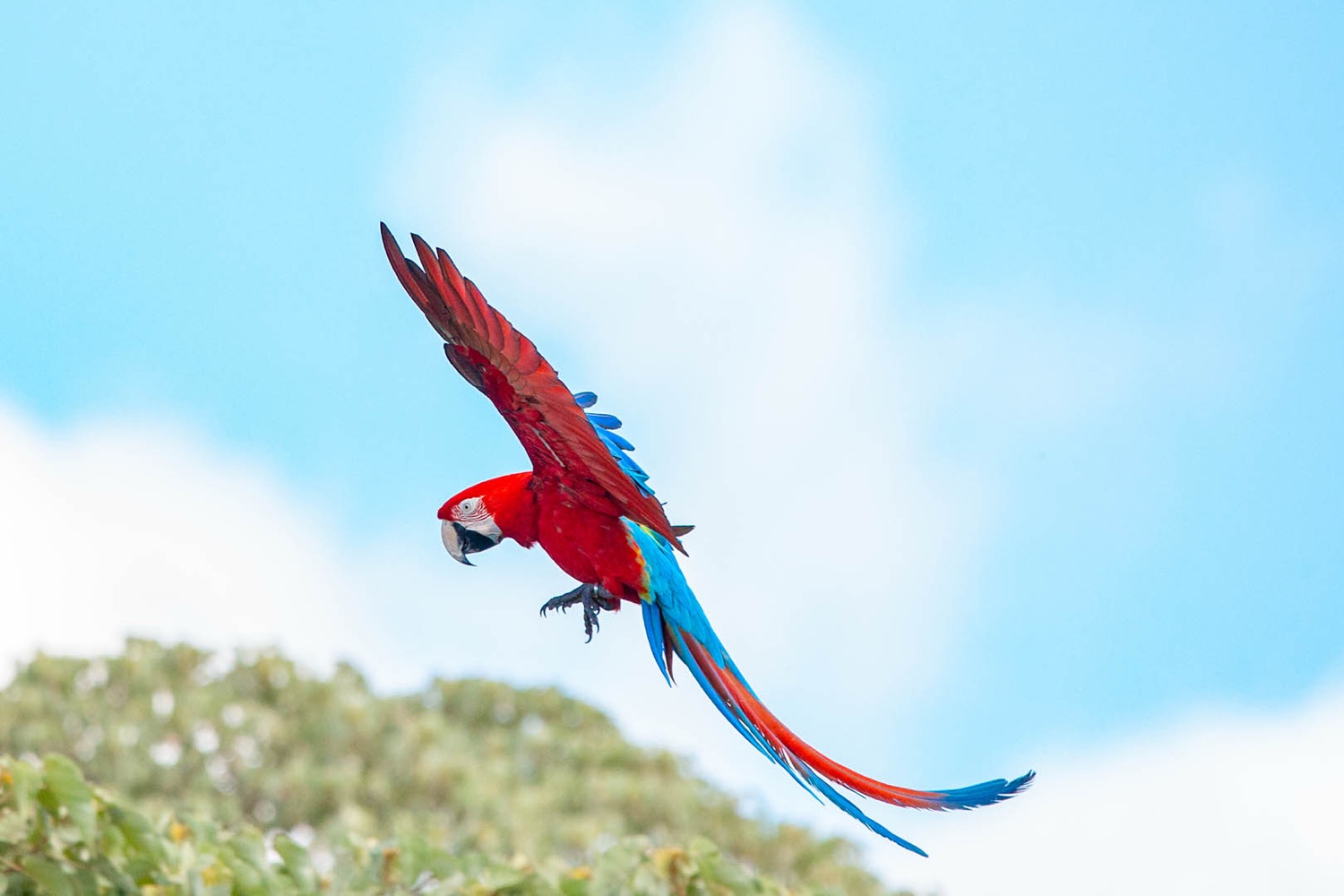
Northern Circuit
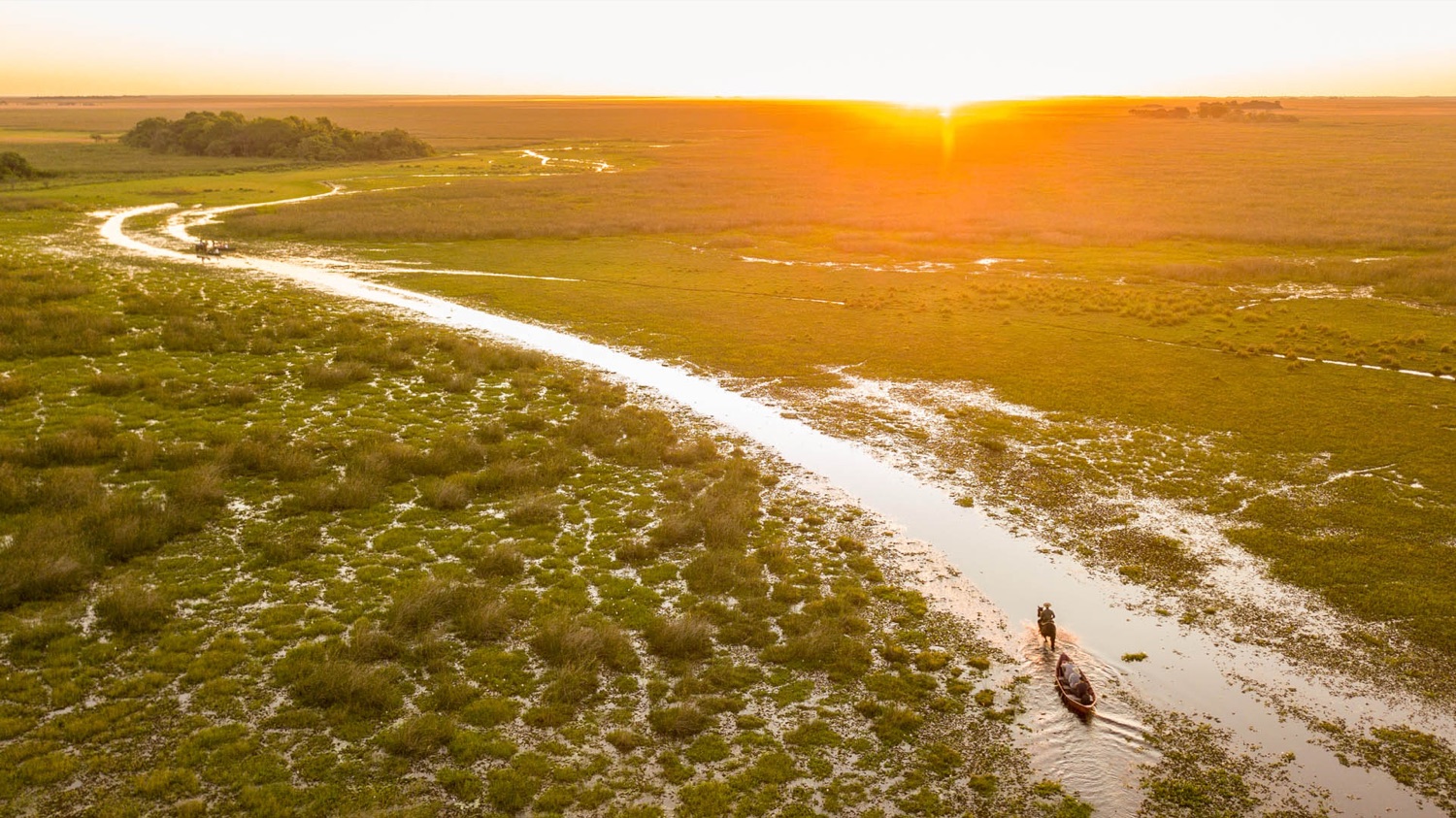
Tradition and Wild Iberá
The Greater Iberá