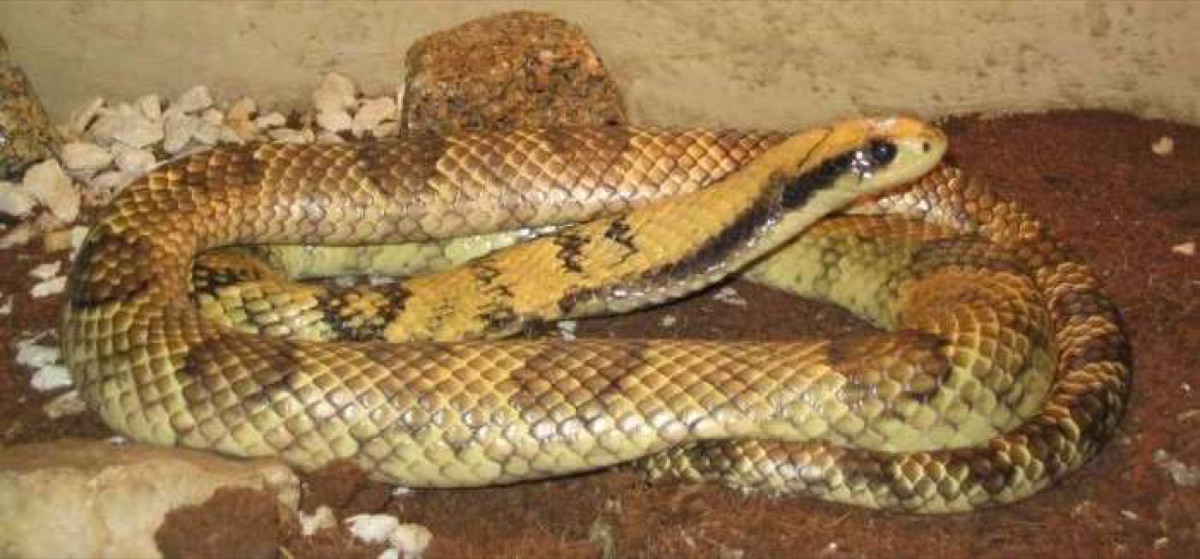
When it feels threatened it flattens its neck like a cobra, which is why it is called the false water cobra. It is pure theatre: it poses no danger to people. It lives close to the water, hunting frogs, fish and even young caimans.
Behaviour
Active by day, it moves with its head raised through the marsh grass. It swims very well and is not shy: it often stares back before retreating.
How and when to see it
October to April, in the heat. While walking boardwalks and marsh edges, or crossing roads after rain.
Where to see it in the Iberá
The gateways of the Great Iberá Park where false water cobra has confirmed presence:
Tours to see it
Verified providers operating at the gateways where false water cobra lives. You contact them directly on WhatsApp from the app.
- Esteros Ñe’é
Experiences with local storytelling and a cultural take on the marshes.★ 5.0 - Jurassic Plant - Night Tour
The only carnivorous-plant garden in Argentina and a pioneer in Latin America. A guided…★ 5.0 - Guyra Wild Guides - Birding
Birdwatching tour and photo safari with specialized ornithologist guides. Yamil and…★ 5.0 - SKYVY - Astrotourism
Astrotourism in Loreto, 17 km from the San Antonio portal. Night-sky observation with a…★ 5.0
Species profile
- Common nameFalse Water Cobra
- Scientific nameHydrodynastes gigas
- GroupReptile
- StatusNative
Other species of the Iberá
Discover all the wildlife of the Iberá
More than 250 species with photos, profiles and the gateways where you can see them. Map, providers and trip planner. Free, no download needed.
Open Iberá Experience