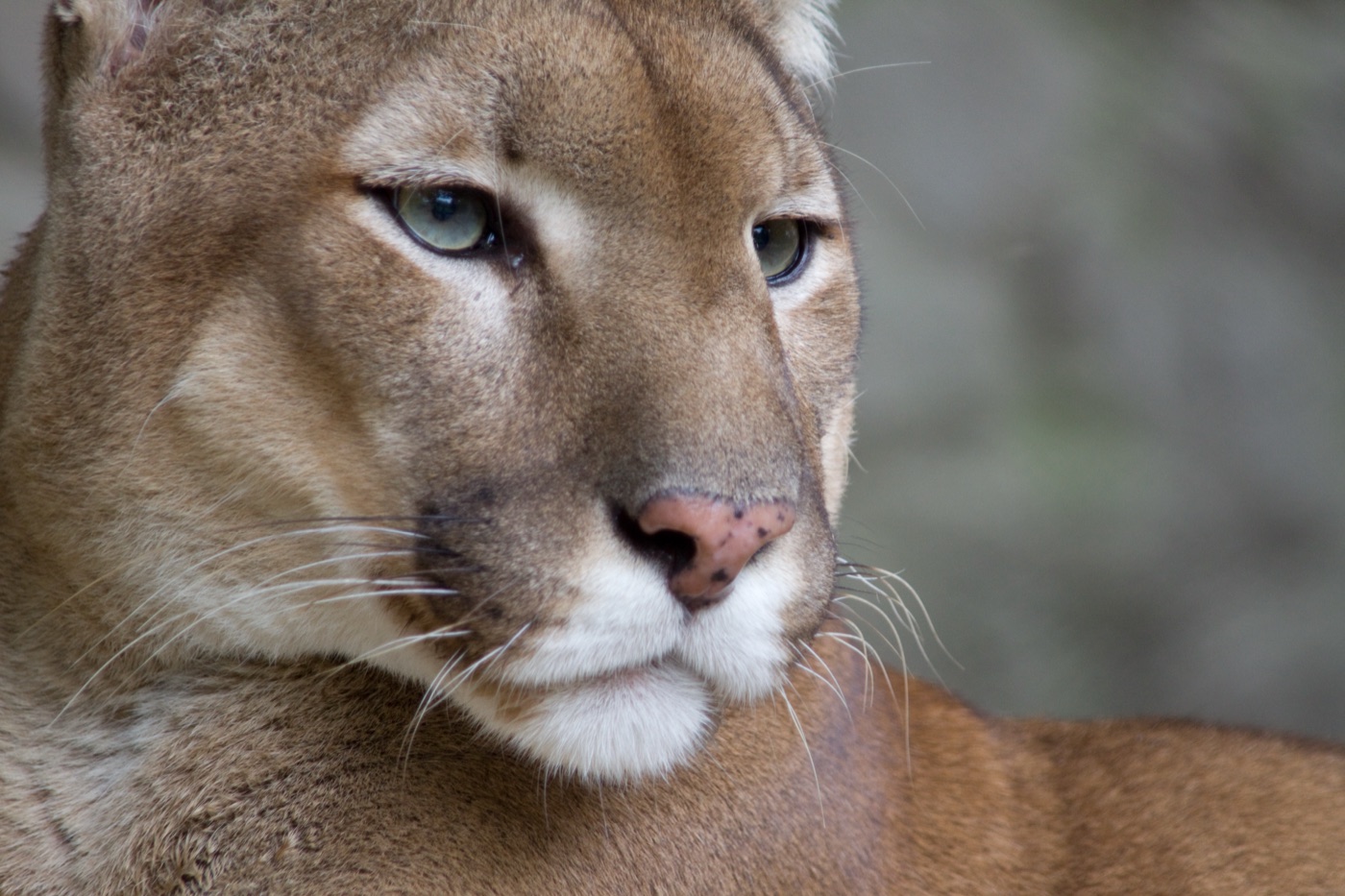
The most widespread native cat in the terrestrial ecosystem of Iberá, where it shares the top of the food chain with the reintroduced jaguar. Its body is sleek, athletic and muscular, covered with a uniform tawny or grayish coat that is unspotted in adults. Its head is rounded with erect ears, and its long tail ends in a characteristic black tip. It can make vertical leaps of more than 5 meters and run at great speed. Total length: 180 to 240 cm including the tail. Weight: 40 to 70 kg.
Behaviour
Solitary, territorial and crepuscular and nocturnal in habit, though in quiet areas of the park it is seen active by day. Hunts by stalking, blending into the dry grassland to get close before an explosive attack. Its diet includes marsh deer, adult capybaras, brockets, vizcachas, hairy armadillos and rheas. It plays a vital regulating role by controlling herbivore populations.
How and when to see it
Year round. Encounters are by chance: crossing vehicle tracks at dawn or dusk, or silhouetted on a rise. Driving the internal tracks with close visual attention is the best strategy. Portals Cambyretá and San Nicolás have the most frequent records.
Where to see it in the Iberá
The gateways of the Great Iberá Park where puma has confirmed presence:
Tours to see it
Verified providers operating at the gateways where puma lives. You contact them directly on WhatsApp from the app.
- Esteros Ñe’é
Experiences with local storytelling and a cultural take on the marshes.★ 5.0 - Gaucho Argentino
Horseback journeys across a network of refuges in Iberá. Multi-day rides with overnight…★ 5.0 - Irupé Excursiones
Guided hiking. Guided visit to museums, historic sites, chapels and trails of the town…★ 5.0 - Navegando Ituzaingó
Private sailboat rides on the Paraná with captain Mario: sunrise, morning and sunset…★ 5.0
Species profile
- Common namePuma
- Scientific namePuma concolor
- GroupMammal
- StatusNative
Other species of the Iberá
Discover all the wildlife of the Iberá
More than 250 species with photos, profiles and the gateways where you can see them. Map, providers and trip planner. Free, no download needed.
Open Iberá Experience